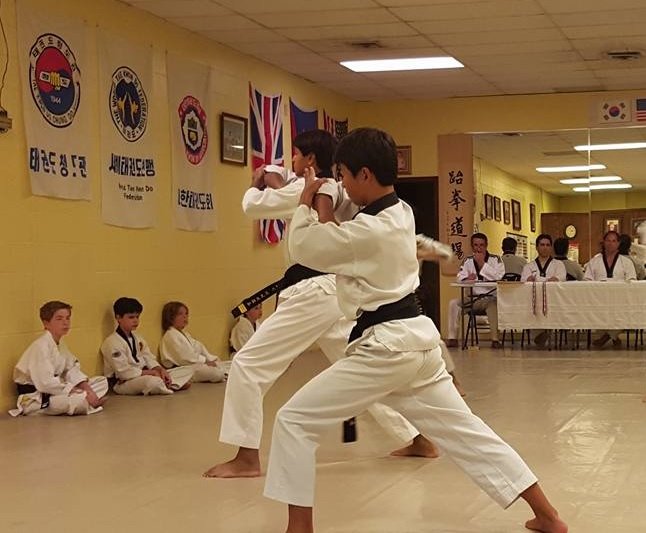
Martial arts training has become increasingly popular among children, teens, and adults seeking physical fitness, self-discipline, and personal development. Beyond learning kicks and punches, martial arts programs focus on respect, confidence, focus, and healthy living. Families searching for structured training opportunities often explore Martial Arts Schools in Indianapolis Area to find programs that support both physical and mental growth.
Martial arts instruction combines fitness, discipline, and skill development in a structured learning environment. Students progress through different levels while improving coordination, balance, flexibility, and concentration. Modern training programs are designed to accommodate beginners as well as experienced students of all ages.
The Growing Popularity of Martial Arts Training
Martial arts programs continue to grow in popularity because they offer benefits that extend beyond physical activity. Many people are drawn to martial arts as a way to improve overall fitness while learning practical self-defense skills.
Parents often enroll children in martial arts classes to encourage discipline, respect, and focus. Adults may participate to improve health, reduce stress, or gain confidence through structured training.
Unlike some fitness programs, martial arts combine physical conditioning with mental discipline, creating a balanced approach to personal development.
Physical Benefits of Martial Arts
Martial arts training involves a variety of movements that support full-body fitness. Students develop strength, endurance, flexibility, coordination, and balance through consistent practice.
Training sessions typically include stretching, cardio exercises, drills, and controlled sparring activities. These exercises help improve cardiovascular health while building muscle tone and agility.
Regular participation can also support weight management and improve energy levels. Because martial arts involve continuous movement and skill repetition, students remain physically engaged throughout training sessions.
Building Confidence Through Training
Confidence is one of the most valuable benefits of martial arts instruction. Students gradually build self-assurance as they learn new techniques, overcome challenges, and progress through training levels.
Achievement systems such as belt promotions encourage goal setting and personal growth. Each accomplishment reinforces the value of persistence and consistent effort.
Children often become more comfortable in social and academic settings after developing confidence through martial arts. Adults may also experience greater self-esteem and motivation in daily life.
Discipline and Respect in Martial Arts
Discipline is a core principle in most martial arts programs. Students are expected to follow instructions, remain focused, and show respect toward instructors and classmates.
Training environments emphasize responsibility, patience, and self-control. These lessons often extend beyond the classroom and positively influence behavior at home, school, and work.
Respect is another essential value. Students learn to respect themselves, their instructors, and training partners while practicing safely and cooperatively.
Self Defense and Personal Safety
Martial arts training also teaches practical self-defense skills. Students learn techniques designed to improve awareness, reaction time, and defensive movement.
Training focuses on controlled techniques and responsible use of skills rather than aggression. Students are encouraged to avoid conflict whenever possible and use self-defense only when necessary.
Self-defense education can improve confidence and preparedness in various situations while reinforcing the importance of calm decision-making.
Martial Arts for Children
Children’s martial arts programs are designed to support both physical and emotional development. Structured classes help young students improve listening skills, coordination, and focus.
Many programs use age-appropriate teaching methods that keep children engaged while promoting positive habits and teamwork. Activities are often designed to build confidence in a supportive and encouraging environment.
Parents frequently appreciate the structured routine and goal-oriented nature of martial arts programs because they help children develop discipline and perseverance.
Benefits for Teenagers and Young Adults
Teenagers often benefit from martial arts because training provides a productive outlet for physical activity and stress management. Martial arts can help teens improve concentration, self-confidence, and social interaction.
Programs for teens may include advanced techniques, conditioning exercises, and leadership opportunities. Participation encourages responsibility and commitment while promoting healthy habits.
Training environments also provide positive mentorship and structured challenges that support personal growth during important developmental years.
Adult Martial Arts Programs
Adults participate in martial arts for many reasons, including fitness, self-defense, stress reduction, and skill development. Modern programs are designed to accommodate different experience levels and physical abilities.
Training offers a unique combination of exercise and mental focus that many adults find rewarding. Martial arts classes can provide an alternative to traditional gym workouts by incorporating dynamic movement and skill progression.
Adults often appreciate the supportive and goal-oriented atmosphere of martial arts communities.
Importance of Qualified Instruction
Qualified instructors play a major role in effective martial arts education. Experienced teachers guide students through techniques safely while promoting discipline and proper form.
Professional instruction helps students develop skills gradually and reduces the risk of injury. Instructors also provide encouragement, motivation, and constructive feedback throughout the learning process.
Many families researching Martial Arts Schools in Indianapolis Area prioritize experienced instructors and structured training programs when selecting a school.
Goal Setting and Achievement
Martial arts programs encourage students to set goals and work steadily toward improvement. Belt advancement systems provide clear milestones that reward dedication and progress.
Students learn the importance of patience and consistent practice. Unlike activities focused solely on competition, martial arts emphasize personal growth and continuous self-improvement.
Goal-oriented training helps students build resilience and a positive mindset that can benefit many areas of life.
Social Interaction and Community
Martial arts schools often foster a strong sense of community. Students train together, encourage one another, and develop friendships through shared experiences.
Training environments promote teamwork, cooperation, and mutual respect. Group activities and partner drills help students improve communication and interpersonal skills.
Positive social interaction contributes to a supportive atmosphere that encourages long-term participation and personal development.
Long Term Benefits of Martial Arts Training
The benefits of martial arts extend beyond physical fitness. Long-term training can support improved focus, emotional balance, discipline, and confidence.
Students often carry these lessons into school, work, and personal relationships. The structured nature of martial arts encourages lifelong learning and healthy habits.
As interest in fitness and self-improvement continues to grow, martial arts remain a valuable activity for individuals of all ages seeking both physical and mental development.