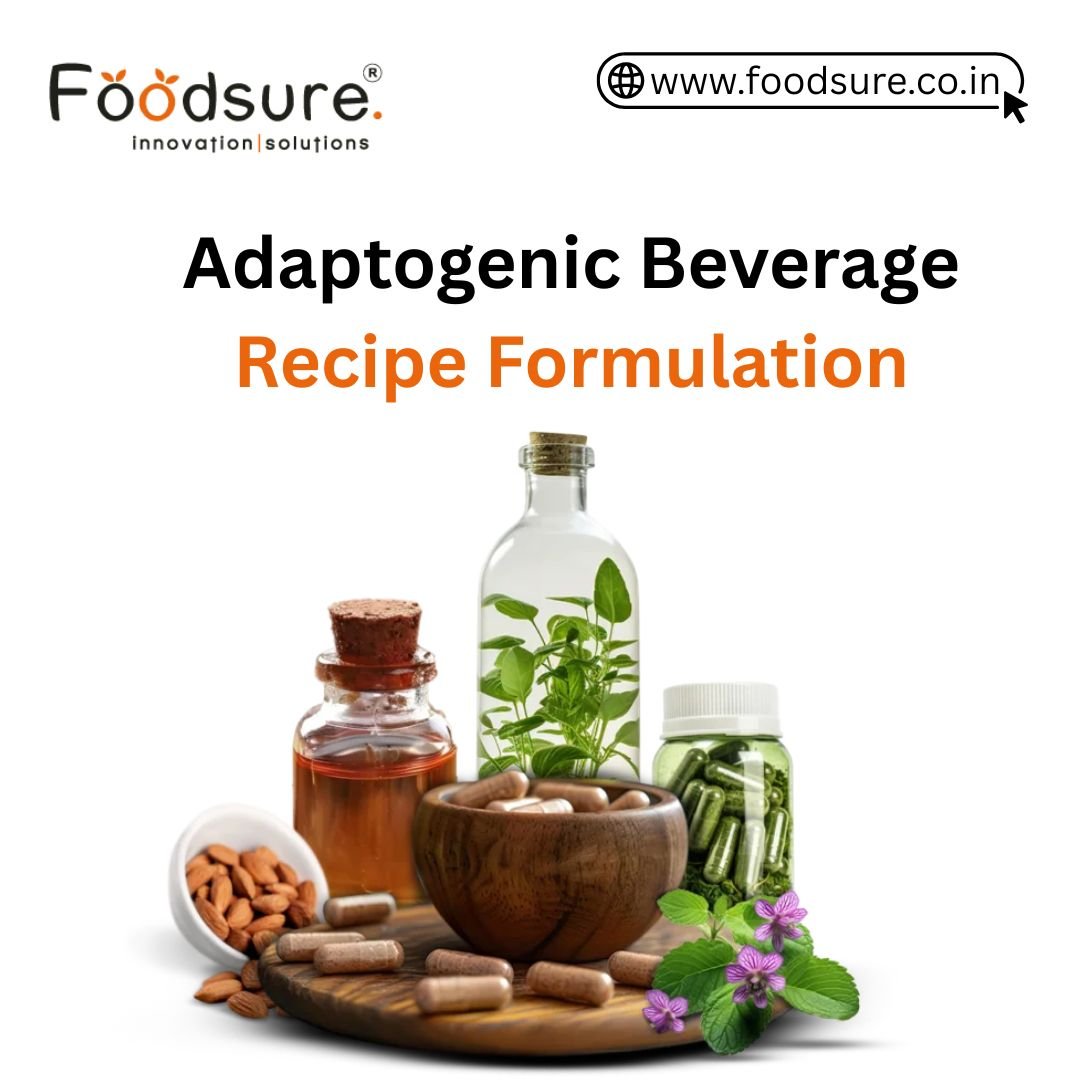
In today’s fast-moving world, consumers are constantly looking for drinks that offer more than just hydration. They want functional beverages that support their mental clarity, stress relief, and overall wellness. One of the most powerful trends leading this shift is the rise of adaptogenic beverages. These drinks are carefully crafted with adaptogenic herbs and botanicals that help the body adapt to physical and mental stress.
For beverage brands, this presents a golden opportunity to create innovative, health-focused drinks that stand out. In this guest post, we’ll explore what adaptogenic beverages are, why they’re trending, and how adaptogenic beverage recipe formulation can help your brand create products consumers love.
1. What Are Adaptogenic Beverages?
Adaptogens are natural substances—mostly herbs, roots, and mushrooms—that help the body respond to stress, restore balance, and support immune function. When these adaptogens are blended into beverages, they create a unique drink that nourishes both body and mind.
Popular adaptogens used in beverages include:
Ashwagandha – Known for reducing stress and boosting energy levels.
Rhodiola Rosea – Improves mental performance and fights fatigue.
Ginseng – Supports immunity and increases stamina.
Tulsi (Holy Basil) – Promotes calmness and supports respiratory health.
Reishi Mushroom – Helps with relaxation and immune balance.
These ingredients can be used in teas, sparkling drinks, lattes, smoothies, and functional shots to deliver wellness benefits in a tasty and convenient format.
2. Why the Adaptogenic Beverage Market Is Booming
The global functional beverage market is growing rapidly, and adaptogenic drinks are at the heart of this trend. Modern consumers—especially millennials and Gen Z—are more health-conscious and prefer natural solutions over synthetic supplements.
Some key reasons for the rising popularity:
Stress Management: People are turning to natural stress relievers to support their busy lifestyles.
Clean Label Demand: Consumers prefer products with simple, recognizable ingredients.
Holistic Health: There’s increasing interest in mind-body wellness rather than just physical health.
Premium Positioning: Adaptogenic drinks often fall into the premium health category, allowing better profit margins for brands.
For beverage entrepreneurs and established companies alike, adaptogenic beverage recipe formulation is a smart way to tap into this growing demand.
3. The Art of Adaptogenic Beverage Recipe Formulation
Creating an adaptogenic drink isn’t just about mixing herbs into water. It requires thoughtful formulation, balance of flavors, functional dosage, and regulatory compliance. Here’s a step-by-step approach:
Step 1: Define Your Functional Goal
Every adaptogenic beverage should have a clear wellness purpose, such as:
- Stress relief
- Energy boost
- Mental focus
- Sleep support
- Immune defense
This functional goal will guide your ingredient selection and formulation.
Step 2: Choose the Right Adaptogens
Different adaptogens offer different benefits. For example, Ashwagandha pairs well with cocoa or chai flavors for a calming drink, while Rhodiola works well in fruity sparkling beverages for energy and focus.
Step 3: Optimize Dosage and Synergy
The effectiveness of adaptogens depends on dosage and combinations. Too little may have no effect, while too much can affect taste or create regulatory issues. Formulators carefully balance these herbs to achieve both efficacy and palatability.
Step 4: Balance Taste and Texture
Adaptogens often have strong earthy or bitter notes. Skilled formulation involves layering natural flavors—like citrus, berries, honey, or spices—to create a pleasant taste profile that appeals to consumers without artificial additives.
Step 5: Consider Shelf Stability and Packaging
Adaptogens can be sensitive to heat, light, or pH. Proper processing techniques and packaging are crucial to maintain potency throughout the product’s shelf life.
4. Innovation Opportunities for Brands
Adaptogenic beverage formulation allows endless creativity. Brands can experiment with formats like:
- Sparkling tonics with Rhodiola and botanicals for mental clarity
- Adaptogenic teas for relaxation or detox
- Functional coffee alternatives with mushrooms and herbs
- Wellness shots for daily stress support
- Powder mixes that can be added to smoothies or milk
These products appeal to both mainstream consumers and niche wellness communities, opening new distribution channels—from supermarkets to gyms, cafes, and e-commerce platforms.
5. Compliance and Clean Labeling
While creating these innovative drinks, brands must also comply with FSSAI (India) or FDA (international) guidelines for functional ingredients. Clear labeling, accurate claims, and proper documentation are essential to gain consumer trust and avoid regulatory issues.
6. Why Professional Recipe Formulation Matters
Working with experienced beverage formulation experts can make all the difference. Professionals ensure that the recipe not only tastes great but also delivers real functional benefits. They help with:
- Ingredient sourcing and standardization
- Regulatory approvals and documentation
- Flavor development and pilot trials
- Scaling the formulation for commercial production
This ensures a smoother journey from concept to shelf.
7. Final Thoughts
Adaptogenic beverages are more than just a trend—they’re becoming a core category in the functional drink space. With the right recipe formulation strategy, your brand can create products that support wellness, taste amazing, and capture consumer attention.
Whether you’re a startup or an established brand looking to diversify your range, Adaptogenic Beverage Recipe Formulation is your gateway to innovation, differentiation, and long-term growth.