A Technical Guide to Universal Controller Interface Boards for Industrial Turbines
By Edwards 22-06-2026 44
Introduction
Industrial turbines are among the most complex and critical assets used in power generation, oil and gas operations, and large-scale manufacturing facilities. To maintain optimal performance, these machines rely on advanced control systems capable of monitoring and regulating key operational parameters in real time. Universal Controller Interface Boards are essential components within these systems, enabling seamless communication between controllers, sensors, and other hardware modules.
By facilitating accurate data exchange and signal processing, these interface boards help ensure safe, reliable, and efficient turbine operation.
What Are Universal Controller Interface Boards?
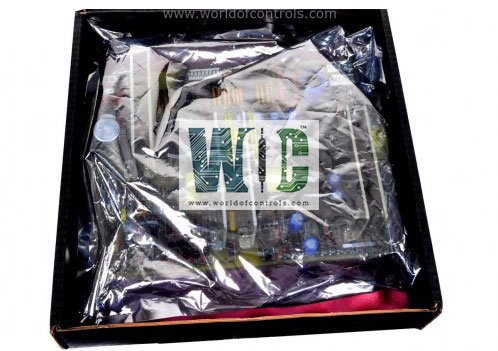
Universal Controller Interface Boards are electronic modules designed to support communication and coordination within turbine control systems. They act as intermediaries between various control devices, helping transfer operational data and control signals throughout the system.
These boards are typically integrated into larger turbine control architectures and perform functions such as:
- Signal transmission and processing
- Communication between control modules
- Data acquisition from field devices
- System monitoring and diagnostics
- Support for real-time operational decisions
Their ability to connect multiple system components makes them indispensable in modern turbine environments.
The Role of Interface Boards in Turbine Control Systems
Modern industrial turbines require precise control to maintain efficiency, safety, and reliability. Interface boards contribute significantly to achieving these objectives by ensuring uninterrupted communication between critical system elements.
Supporting Real-Time Control
Turbine control systems continuously collect data from sensors monitoring temperature, pressure, speed, vibration, and other operational parameters. Interface boards help transfer this information to controllers, enabling rapid responses to changing conditions.
Enhancing System Reliability
Reliable communication between hardware modules is essential for preventing operational disruptions. Interface boards help maintain data integrity and reduce the risk of signal-related issues that could affect turbine performance.
Enabling System Integration
Industrial turbines often incorporate multiple subsystems, including protection, monitoring, and control functions. Interface boards help integrate these elements into a unified control framework, improving overall operational efficiency.
Benefits in Industrial Turbine Applications
The use of advanced interface boards offers several advantages for turbine operators and maintenance teams.
Improved Operational Visibility
By facilitating continuous data flow, interface boards provide operators with valuable insights into turbine health and performance.
Faster Diagnostics
Accurate communication between system components allows maintenance personnel to identify faults more quickly, reducing troubleshooting time and minimizing downtime.
Increased Efficiency
Efficient data exchange supports better control decisions, helping turbines operate within optimal performance ranges and improving overall plant productivity.
Enhanced Reliability
Robust communication infrastructure contributes to stable turbine operation, particularly in demanding industrial environments where reliability is critical.
Maintenance Best Practices
To maximize the lifespan and effectiveness of interface boards, regular maintenance is essential.
Conduct Routine Inspections
Periodic visual inspections can help identify signs of wear, contamination, loose connections, or physical damage before they become serious issues.
Verify Electrical Connections
Secure connections are vital for reliable communication. Maintenance teams should regularly inspect connectors, terminals, and wiring assemblies.
Control Environmental Conditions
Protecting electronic components from excessive heat, moisture, dust, and vibration can significantly improve long-term performance.
Implement Preventive Maintenance Programs
Scheduled testing and diagnostics help detect developing problems early, reducing the likelihood of unexpected failures and costly outages.
Conclusion
Universal Controller Interface Boards are fundamental components of modern industrial turbine control systems. By enabling communication, signal management, and system integration, they help ensure that turbines operate safely, efficiently, and reliably.
As turbine technology continues to advance, the importance of dependable interface boards will only increase. Organizations that prioritize the maintenance and optimization of these critical components can benefit from improved operational performance, enhanced reliability, and reduced downtime across their turbine assets.