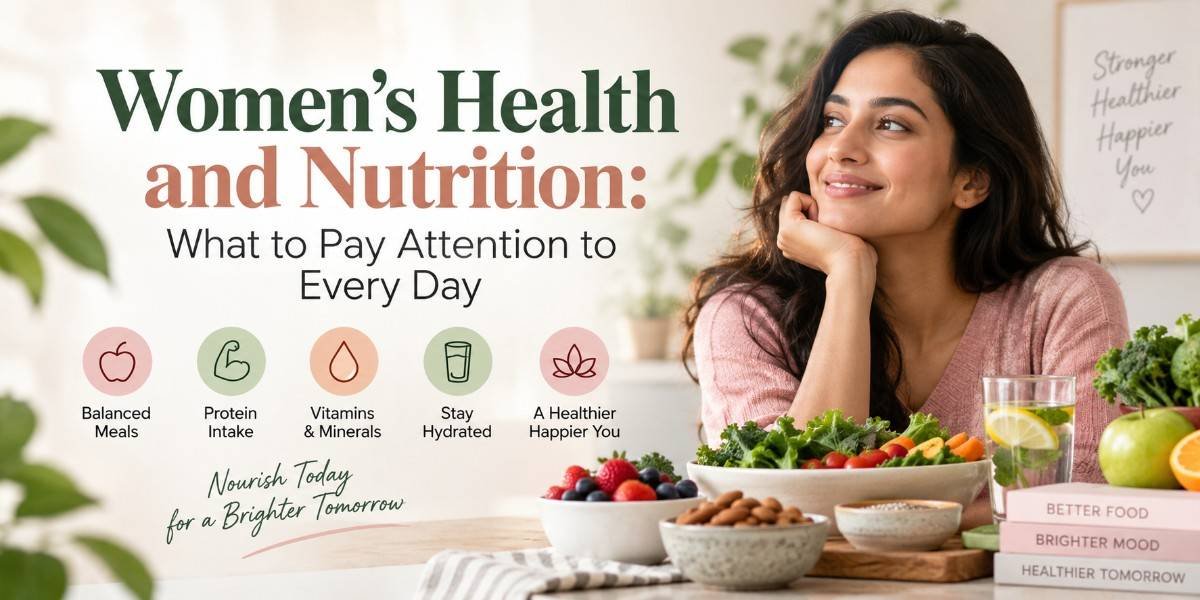
Nutritional needs for women can change throughout life. Eating habits can be affected by busy schedules, work, family responsibilities, hormonal changes and different stages of life. Instead of complicated diets, concentrating on a few basic nutrition principles can help make healthy eating easier and more sustainable.
Begin with a Balanced Plate
A good balanced meal doesn’t have to be complicated. Try to include a mixture of vegetables or fruits, a protein source, whole grains or other carbohydrate-rich food and healthy fats.
For example lunch could be vegetables, dal or beans, roti or brown rice and a small serving of nuts or seeds. The goal is not to make every meal perfect, but to build variety and balance throughout the day.
Be conscious of Proteins
Proteins are an important part of a healthy diet. The body needs proteins to maintain and repair tissues. Protein can be obtained by women from foods like lentils, beans, eggs, dairy products, tofu, fish, chicken, nuts and seeds.
Adding protein to breakfast can also make the meal more satiating. Eggs, yogurt, paneer or a lentil-based dish is an easy option for a busy morning.
Eat iron-rich foods.
Iron is an important nutrient for women, especially those who have a menstrual cycle, as regular blood loss can increase the body’s need for iron.
Good sources of iron include: lentils beans leafy greens meat seafood iron-fortified foods Eat foods high in vitamin C, such as oranges, tomatoes or bell peppers, with plant-based sources of iron to improve absorption.
If you’re constantly tired, weak or just not feeling yourself it’s best to get checked out by a healthcare professional instead of assuming it’s an iron deficiency.
Don't Forget Calcium and Vitamin D
Calcium helps keep your bones and teeth healthy. Sources of calcium include milk, yogurt, cheese, calcium-fortified plant beverages, tofu and some leafy green vegetables.
Vitamin D is also important for bone health and helps the body absorb calcium. Nutritional needs vary from person to person. Women who are concerned about their vitamin D levels should talk to a healthcare provider about getting tested or taking a supplement.
Opt for Healthy Fats
Fat is part of a healthy diet and doesn’t need to be cut out altogether. Foods that contain unsaturated fats such as nuts, seeds, avocados, olive oil and fatty fish may be part of a healthy diet.
A practical approach is to increase the amount of minimally processed sources of healthy fats and limit foods that contain trans fats and too much saturated fat.
Get fruits and vegetables into the routine
Fruits and vegetables are sources of fiber, vitamins, minerals and other health-promoting plant compounds. Eating a variety of colors during the week is an easy way to add more variety to your diet.
Good choices are all fresh, frozen and properly prepared vegetables. You can also make this habit easier to stick to by putting fruit where you can see it, or by adding vegetables to familiar meals.
Drink Water
Water is vital for the body to function normally. The need for fluids depends on many factors, such as physical activity, weather, diet and individual health needs.
Keeping a water bottle nearby can serve as a reminder to drink often. You don’t need to get all your fluids from water, but it’s usually best to limit sugary drinks to special occasions.
Changes in Nutrition With Life Stages
Nutritional priorities may change during adolescence, pregnancy, lactation, perimenopause, menopause and later adulthood. What is appropriate at one stage of life is not necessarily appropriate at another.
During these times attention might be paid to nutrients like iron, calcium, vitamin D and protein. Some women may also consider taking convenient supplements along with a well-rounded diet. For example, women’s health gummies could be a part of a larger wellness routine depending on an individual’s needs and a healthcare professional’s guidance.
Pregnant women, women who are breastfeeding, women who have a medical condition, or women who are considering taking supplements should talk to a qualified healthcare professional about their individual nutritional needs.
Big Things From Small Habits
Healthy nutrition does not mean you have to change everything you eat overnight. It may be easier to keep up with little choices you make over and over again.
Try adding a vegetable to lunch, adding protein to breakfast, choosing fruit as a snack or drinking more water. Keep nuts and seeds on hand for a quick option.
The best practical eating pattern is balanced, varied, and realistic to your lifestyle. As life changes, women can focus on everyday food choices and make adjustments to develop sustainable habits that support their overall health and wellbeing.