Wooden Venetian Blinds in Singapore: What to Know Before Choosing Real Wood
By haseeb ijaz 16-09-2026 4
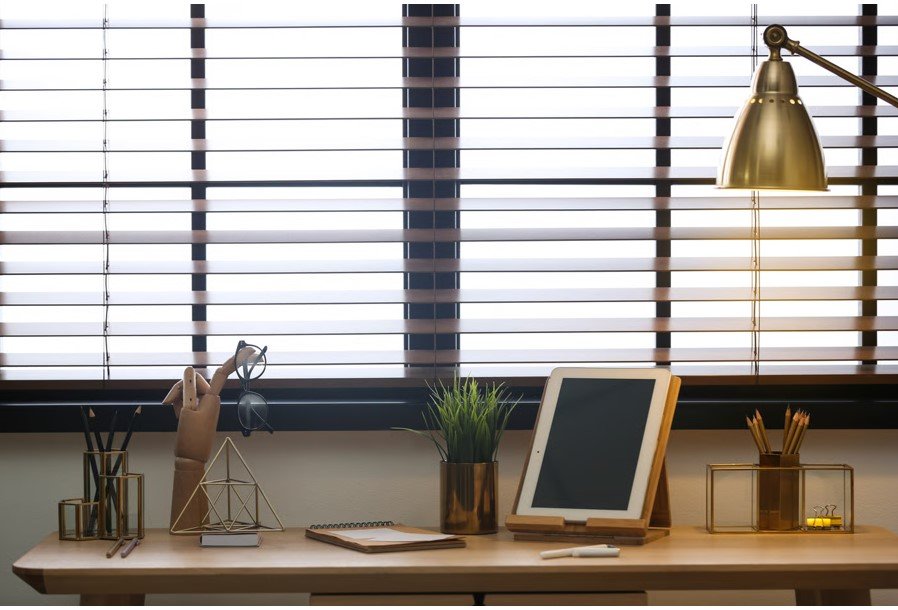
Wooden venetian blinds bring a warmer, more natural look than aluminium or PVC slats, but Singapore's climate raises a fair question before buying them: does real wood actually hold up here? The honest answer is that it can, but not without some thought given to humidity, finish, and where in the home it's installed. Singapore's relative humidity regularly climbs above 80 percent according to National Environment Agency climate data, and that level of moisture in the air is exactly the condition that causes untreated or poorly sealed wood to swell, warp, or crack over time. That doesn't rule wooden blinds out. It just means the decision is less about style alone and more about picking the right type of wood, finish, and room for it.
What Makes Wooden Venetian Blinds Different From Other Blinds?
Wooden venetian blinds use horizontal slats cut from real timber, usually basswood or a similar lightweight hardwood, rather than aluminium, PVC, or fabric. The slats tilt to control light the same way any venetian blind does, but the material itself is what changes the feel of a room. Wood tends to read as warmer and more textured against natural light, which is why it shows up often in living rooms and studies where the look matters as much as the function.
The trade-off is that wood is a natural material that reacts to its environment, whereas aluminium and PVC are manufactured to remain dimensionally stable regardless of moisture. That single difference explains almost everything else worth knowing before choosing between them.
Does Singapore's Humidity Rule Out Real Wood?
Not entirely, but it does narrow the sensible choices. High and fairly constant humidity, the kind Singapore sees year round rather than only in a rainy season, is harder on untreated wood than an occasional damp spell would be. Over months and years, that consistent moisture is what causes slats to warp slightly or the finish to lift at the edges.
Wood that's been properly kiln-dried and sealed with a moisture-resistant finish handles this far better than an untreated or cheaply finished product. It's also worth asking specifically about the finish when buying, since two wooden blinds that look identical in a showroom can behave very differently after a year in a humid bedroom.
Real Wood vs Faux Wood: A Practical Comparison
Faux wood, usually a PVC or composite blend made to look like timber, exists largely because of climates like this one. Here's how the two generally compare.
Factor | Real Wood | Faux Wood (PVC/Composite) |
Humidity resistance | Moderate, depends on finish quality | High, largely unaffected by moisture |
Weight | Lighter | Slightly heavier per slat |
Look and feel | Natural grain, warmer appearance | Close imitation, but visibly synthetic up close |
Maintenance | Occasional wiping, avoid excess moisture | Wipes clean, tolerates damp cloths |
Best suited rooms | Living rooms, studies, drier bedrooms | Bathrooms, kitchens, windows facing direct rain exposure |
Neither option is objectively better. It comes down to whether the room in question is genuinely humid, like one near a bathroom or with a window that gets rain blown in, or a drier, air-conditioned space where real wood is much less likely to be an issue.
Where Wooden Venetian Blinds Work Best in a Singapore Home
Living rooms and studies tend to be the safest choice for real wood, particularly in air-conditioned condo units where humidity swings are smaller than in a naturally ventilated HDB flat left open through the day. A room that's rarely exposed to direct rain or steam is doing most of the work in keeping the wood stable.
Bathrooms, kitchens, and any window that regularly gets wind-blown rain are the cases where faux wood tends to be the more sensible pick, regardless of how the real timber option looks in a showroom. It's less about compromising on style and more about not fighting the room's actual conditions.
Maintenance Tips for Wooden Blinds in a Humid Climate
Wipe slats with a dry or barely damp cloth rather than a wet one, since trapped moisture sitting on the surface is worse than the ambient humidity in the air. A slightly damp cloth followed immediately by drying works better than leaving any moisture to sit.
Keeping air circulating in the room, whether through air conditioning or a fan, also helps more than people expect. Wood reacts to sustained damp air far more than to brief exposure, so a room that stays humid for hours at a time is harder on the slats than one that dries out between rain showers.
Choosing Between Style and Practicality
For anyone specifically searching for wooden venetian blinds Singapore suppliers carry, many suppliers stock both real wood and faux wood options, largely because of the climate-related trade-offs. It’s therefore worth asking about the finish and moisture resistance of each option rather than assuming all timber blinds are treated the same way. It's also worth comparing the broader range of blinds’ materials available before settling on wood specifically, since a well-finished faux wood or a different material entirely might suit a particular window better than real timber would.
Wooden venetian blinds aren't a poor choice for Singapore, but they're not a completely climate-proof one either. Picking the right room, checking the finish, and being honest about how humid that specific window actually gets will do more for the blind's lifespan than the wood species or brand ever will.
Tags : .....