Why Temperature Stability Matters More Than Extra Space
By Stowaway Climate Controlled Storage 23-12-2025 41
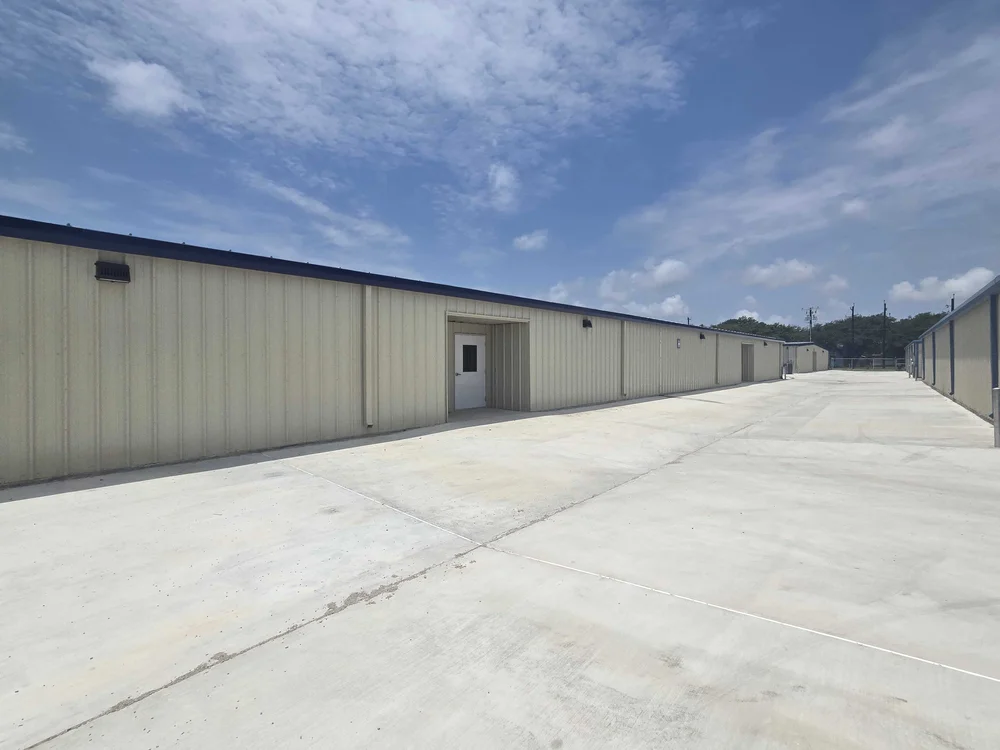
When people think about storage, the first concern is usually space. How much room is available, how big the unit is, and whether everything will fit. While space is important, it is only part of the equation. The environment inside a storage unit plays an equally critical role in protecting belongings over time.
Items placed in storage are often kept for months or even years. During that time, exposure to fluctuating temperatures and humidity can quietly cause damage. Understanding why temperature stability matters helps people make smarter decisions about how and where they store their belongings.
How Environmental Changes Affect Stored Items
Most everyday items are not designed to withstand extreme heat, cold, or moisture. Wood can warp, metal can rust, paper can yellow, and fabrics can develop odors or mildew. These changes don’t happen overnight, which makes them easy to overlook until damage is already done.
Seasonal weather shifts amplify these risks. High summer heat followed by cooler temperatures creates expansion and contraction that weakens materials. Humidity adds another layer of concern, especially for items made of organic or porous materials. Over time, these environmental factors can reduce the lifespan of stored belongings.
Items That Are Most Vulnerable in Storage
Certain belongings are especially sensitive to temperature and humidity changes. Furniture made of wood or leather can crack or fade. Electronics may suffer internal damage even if they appear fine on the outside. Important documents, photographs, and books are vulnerable to moisture and temperature swings.
Clothing, especially formal wear or seasonal garments, can absorb humidity and develop musty smells. Musical instruments, artwork, and collectibles are also at risk when stored in uncontrolled environments. These items often carry financial or sentimental value, making proper storage conditions essential.
The Difference Between Short-Term and Long-Term Storage
Short-term storage needs are different from long-term ones. Items stored for a few weeks during a move may not face the same risks as items stored for a year or more. The longer something remains in storage, the more exposure it has to environmental stress.
Long-term storage requires consistency. Stable temperatures and controlled humidity help ensure items remain in the same condition as when they were stored. Without that stability, even well-packed belongings can deteriorate over time.
Why Climate Control Changes the Storage Experience
Climate control adds an extra layer of protection by maintaining consistent internal conditions. Instead of being affected by outdoor weather, stored items remain in a stable environment year-round. This consistency helps prevent common issues like condensation, mold growth, and material degradation.
For individuals storing valuable or sensitive items, climate control offers peace of mind. It reduces the need for excessive protective packaging and lowers the risk of unpleasant surprises when items are retrieved. In areas where temperature and humidity fluctuate, this type of storage becomes even more relevant.
People researching options such as climate controlled storage Fulton often do so because they want more than just extra space—they want protection for what they store.
Storage Decisions Based on What You’re Storing
Choosing the right storage environment starts with understanding what you plan to store. Household goods, business records, seasonal décor, and recreational equipment all have different needs. Not every item requires climate control, but many benefit from it.
Items with emotional or financial value deserve careful consideration. Replacing damaged belongings can be costly, and some items simply cannot be replaced at all. Evaluating storage needs ahead of time helps avoid regret later.
Storage as a Preventive Measure
Proper storage isn’t about fixing problems—it’s about preventing them. Many storage-related issues only become visible when items are removed from storage, long after the damage has occurred. At that point, solutions are limited.
By choosing storage that prioritizes environmental stability, people reduce risk from the beginning. This proactive approach saves time, money, and frustration while ensuring stored items remain usable when needed again.
A Smarter Way to Protect Belongings
Storage should support life changes, not create new problems. Whether someone is downsizing, renovating, or simply organizing their space, storage plays a key role in keeping life manageable. The right environment ensures stored items don’t become liabilities.
Temperature control transforms storage from a basic holding space into a protective solution. It allows people to store confidently, knowing their belongings are shielded from common environmental threats.
Thinking Beyond Square Footage
When evaluating storage options, square footage often gets the most attention. However, the conditions inside that space are just as important. A slightly smaller unit with proper climate control can offer more value than a larger unit with uncontrolled conditions.
Storage works best when it aligns with the nature of what’s being stored. By focusing on protection as well as space, people make decisions that serve them better in the long run.