Your health deserves clarity
When it comes to your well-being, uncertainty is the last thing you need. Silence, assumptions often surround good health, and sometimes fear. But here is the truth. Getting tested for intimate transmitted diseases and intimate transmitted infections is not about shame. It is about responsibility, confidence, and self respect. Many infections do not show obvious symptoms. You can feel perfectly healthy and still carry an infection. That is why testing plays such a vital role. It gives you clear answers and empowers you to take control of your health without guessing.
Understanding infections
What they are
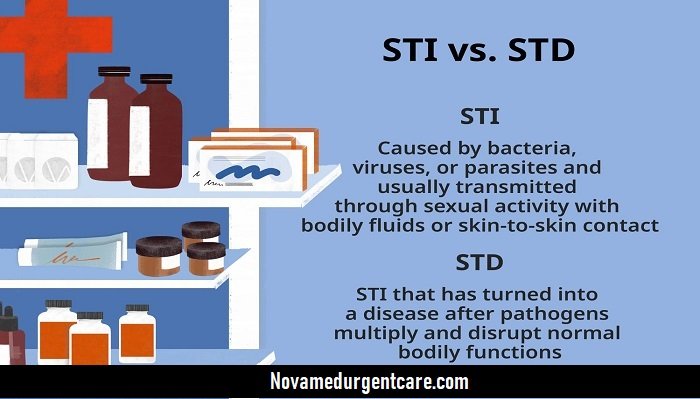
Intimate transmitted infections are caused by bacteria, viruses, or parasites passed from one person to another through close intimate contact. Common examples include chlamydia, gonorrhea, syphilis, HIV, and herpes. This is why STD testing plays such a critical role in protecting your health. Some infections are easily treated with medication, while others can be managed effectively with early detection through regular STD testing. The key point is simple. Early awareness changes everything.
How they spread
Infections can spread through vaginal, oral, or anal contact. They can also pass through skin to skin contact in some cases. Protection lowers the risk, but it does not eliminate it completely. Even people in long term relationships can be affected. Knowing this removes assumptions. Testing is not about distrust. It is about prevention and transparency.
Silent symptoms
When nothing feels wrong
One of the biggest misconceptions is that infections always cause noticeable symptoms. In reality, many people experience none at all. Chlamydia and gonorrhea, for example, often remain silent in the early stages. Without testing, these infections may go untreated for months or even years. During that time, they can cause complications and spread to others unknowingly.
Hidden long term damage
Untreated infections can lead to serious health issues. These may include infertility, chronic pelvic pain, organ damage, and increased risk of acquiring other infections such as HIV. Testing helps prevent these outcomes. A simple screening today can protect your future health in ways you may not immediately see.
Protecting partners
Shared responsibility
Intimate health is not just personal. It affects your partner too. Getting tested shows care and accountability. It creates trust in relationships and opens the door for honest conversations. Imagine building a relationship on transparency rather than uncertainty. That sense of confidence strengthens emotional and physical connection.
Breaking the chain
Testing helps stop the cycle of transmission. When infections are identified early, treatment reduces the risk of spreading them further. This contributes to healthier communities overall. Every responsible decision makes a broader impact than you might think.
Early detection matters
Faster treatment
The earlier an infection is found, the easier it is to treat in most cases. Bacterial infections often respond quickly to antibiotics. Viral infections can be managed more effectively when diagnosed early. Waiting does not make the problem disappear. It only increases potential complications.
Better outcomes
Early detection leads to better long term health outcomes. For example, people diagnosed with HIV early can begin treatment that allows them to live long, healthy lives. With proper care, they can even reduce transmission risk to nearly zero. Knowledge truly is power when it comes to health.
Removing stigma
Changing the mindset
There is still stigma around testing. Some people associate it with risky behavior or moral judgment. In reality, testing is a normal part of responsible adult healthcare. Think of it like a routine dental check or annual physical exam. It is preventive care. Nothing more, nothing less.
Building confidence
When you know your status, you move forward with peace of mind. Whether the result is negative or positive, you gain clarity. That confidence affects how you approach relationships and your overall well being. Silence creates fear. Information creates strength.
When to get tested
After new partners
If you start a new relationship or have a new intimate partner, testing is highly recommended. Even if protection is used, screening ensures there are no hidden infections. It is also wise to get tested before stopping condom use in a committed relationship.
Routine screening
Health professionals often recommend annual testing for intimate active individuals. Some people may need more frequent screening depending on lifestyle, age, or medical history. Consulting with a healthcare provider helps determine the right schedule for you.
What to expect
Simple procedures
Testing is usually quick and straightforward. It may involve a urine sample, blood test, or swab. Many clinics offer discreet and confidential services. The process is far less stressful than people imagine. In fact, the anticipation is often worse than the experience itself.
Confidential results
Medical facilities follow strict privacy guidelines. Your results remain confidential. Healthcare professionals are trained to provide support without judgment. Understanding this helps ease anxiety and encourages proactive action.
Mental well being
Reducing anxiety
Uncertainty can create ongoing stress. You might worry after a risky encounter or wonder about unexplained symptoms. STI testing replaces doubt with facts and gives you clear answers about your health. Even if treatment is needed, early Sti testing allows you to create a plan, which significantly reduces emotional strain and restores peace of mind.
Empowerment through knowledge
When you take charge of your intimate health, you reinforce a sense of control over your body and life. That empowerment influences other aspects of self care as well. Healthy habits build momentum. Testing is one part of that bigger picture.
A part of preventive care
Integrating into routine health checks
Intimate health should not be separated from overall health. It belongs in the same category as blood pressure checks and cholesterol screening. Making a testing routine normalizes it. It becomes something you simply do as part of caring for yourself.
Education and awareness
Learning about infections and how to prevent them reduces risk. Education combined with regular screening forms a powerful defense. Knowledge helps you make informed decisions about protection, vaccination, and lifestyle. Prevention is always better than cure.
Supporting long term goals
Family planning
Untreated infections can affect fertility. If you plan to have children in the future, regular testing protects your reproductive health. Early treatment prevents complications that might otherwise impact pregnancy or conception. Your future plans deserve safeguarding.
Maintaining relationships
Trust and communication are foundations of healthy relationships. Open discussions about testing strengthen bonds. When both partners are informed and proactive, intimacy feels safer and more secure. Confidence transforms relationships.
Conclusion
Taking care of your intimate health is an act of self respect and responsibility. STD and STI testing provides clarity, early treatment, and protection for both you and your partners. It reduces anxiety, prevents long term complications, and supports healthy relationships. There is nothing embarrassing about prioritizing your health. In fact, it shows maturity and awareness. When you normalize testing as part of routine care, you remove stigma and replace it with confidence. Your health is one of your greatest assets. Protect it with knowledge, proactive screening, and open communication.
FAQs
How often should I get tested
Most active adults should consider testing at least once a year. Some individuals may need more frequent screening based on risk factors or new partners.
Do infections always show symptoms
No. Many infections have no noticeable symptoms, especially in the early stages. Testing is the only reliable way to know your status.
Is testing painful
Most tests are quick and minimally uncomfortable. Procedures typically involve a urine sample, blood draw, or simple swab.
Are results confidential
Yes. Healthcare providers follow strict confidentiality guidelines to protect your privacy.
Can infections be cured
Many bacterial infections can be cured with medication. Viral infections may not be cured, but they can often be managed effectively with proper treatment.
Tags : Novamed Health sti testing std testing