For decades, we’ve adapted ourselves to machines. We learned commands, memorized interfaces, and adjusted our behavior just to make software work. Despite incredible advancements, true software understanding of human intent has remained frustratingly limited.
Software can process data at unimaginable speeds, yet it still struggles with something fundamentally human: context, emotion, and nuance. That gap between what we mean and what software interprets has shaped how digital experiences feel today.
But something is shifting. Rapid advancements in AI, language models, and interaction design are redefining how machines interpret human input. The future is no longer about humans learning software; it’s about software learning humans.
Why Software Still Struggles to Understand Us
1. Humans Are Inherently Complex
Human communication isn’t linear. It’s layered with:
- Tone and emotion
- Context and intent
- Ambiguity and implied meaning
Traditional systems rely on predefined inputs and structured logic. They expect clarity where humans naturally provide ambiguity. This mismatch is the core reason software understanding has historically fallen short.
2. Rule-Based Systems Have Limits
Most legacy systems operate on rules:
- If X happens, do Y
- If input matches pattern, trigger response
While efficient, this approach breaks down when inputs deviate even slightly. Humans rarely communicate in predictable patterns, making rigid systems ineffective for real-world interactions.
3. Context Is Hard to Capture
Context is everything in human communication. Consider:
- “Book it” could mean reserving a table, buying tickets, or scheduling a meeting
- “That’s great” could be genuine or sarcastic
Without contextual awareness, software misinterprets intent. This limitation has been a major barrier to effective software understanding.
4. Interfaces Were Built for Machines, Not Humans
Traditional interface menus, buttons, and forms are optimized for system logic, not human behavior.
They require users to:
- Think in structured steps
- Follow predefined flows
- Translate intent into commands
This design philosophy puts the burden on users instead of enabling intuitive interaction.
The Real Cost of Poor Understanding
When software fails to understand users, the consequences go beyond inconvenience:
- Frustration and abandoned experiences
- Reduced productivity
- Increased support costs
- Lost business opportunities
More importantly, it creates a disconnect between humans and technology. Instead of feeling empowered, users feel restricted.
What’s Changing Now?
1. The Rise of AI and Natural Language Processing
Modern AI systems can interpret language in ways that feel more human. Instead of matching keywords, they analyze:
- Sentence structure
- Intent behind words
- Context across conversations
This shift is dramatically improving software understanding, making interactions more fluid and intuitive.
2. From Commands to Conversations
We’re moving away from command-based systems toward conversational interfaces.
Instead of:
- “Click here, select this, confirm that”
Users can now:
- Speak naturally
- Ask questions
- Give vague instructions
This transition allows software to meet users where they are, rather than forcing rigid interaction patterns.
3. Continuous Learning Systems
Modern software doesn’t stay static. It learns from:
- User behavior
- Past interactions
- Feedback loops
Over time, this creates systems that adapt to individual users, improving software understanding with every interaction.
Key Innovations Driving the Shift
1. Context-Aware Systems
New systems are designed to retain and interpret context across interactions. This means:
- Conversations feel continuous
- Intent becomes clearer over time
- Responses become more relevant
2. Multimodal Interaction
Humans don’t communicate through text alone. We use:
- Voice
- Gestures
- Visual cues
Modern software integrates multiple input types, creating richer and more accurate software understanding.
3. Personalization at Scale
AI enables systems to tailor experiences based on individual preferences:
- Communication style
- Behavior patterns
- Usage history
This personalization bridges the gap between generic software and human-specific needs.
4. Conversational Intelligence Platforms
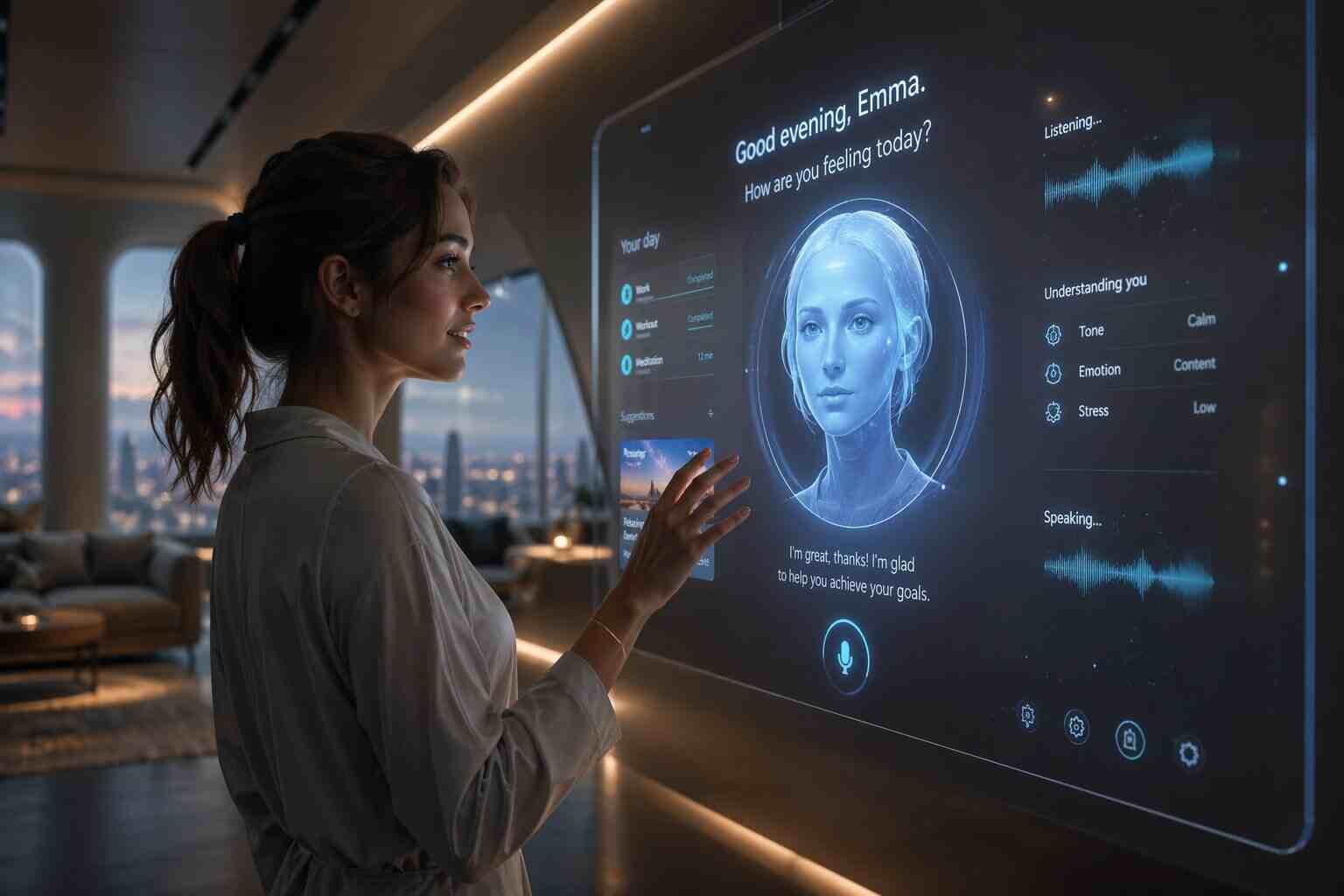
Platforms are emerging that specialize in human-like interaction. A well-designed Voice AI Platform can interpret tone, intent, and context, enabling software to respond more naturally and effectively.
These platforms are not just improving interaction; they’re redefining how software communicates.
How This Impacts User Experience
1. Reduced Friction
Users no longer need to:
- Learn complex interfaces
- Follow rigid workflows
- Adapt their behavior
Software adapts to them instead.
2. Faster Task Completion
Natural interaction speeds up processes:
- Fewer steps
- Less confusion
- More direct outcomes
This efficiency is a direct result of improved software understanding.
3. More Human-Centric Design
Design is shifting from system-first to user-first:
- Interfaces become invisible
- Conversations replace navigation
- Experiences feel intuitive
Challenges That Still Remain
Despite progress, achieving perfect understanding is still complex.
1. Ambiguity in Language
Even advanced systems struggle with:
- Sarcasm
- Cultural nuances
- Emotional subtleties
2. Privacy and Data Concerns
Better understanding requires more data. This raises questions around:
- Data security
- User consent
- Ethical AI usage
3. Over-Reliance on Automation
As systems become more intelligent, there’s a risk of:
- Reduced human oversight
- Blind trust in AI decisions
Balancing automation with control remains critical.
The Future of Software Understanding
The trajectory is clear: software is becoming more human-aware.
In the near future, we can expect:
- Emotionally intelligent systems
- Fully conversational interfaces
- Invisible, seamless interactions
- Hyper-personalized experiences
The ultimate goal isn’t just better functionality. It’s alignment where software truly understands human intent without friction.
Conclusion
For years, the gap between humans and machines has defined how we interact with technology. Software demanded precision, while humans communicated with nuance. That disconnect made even simple tasks feel unnecessarily complex.
Today, that dynamic is changing. Advances in AI, conversational design, and adaptive systems are bringing us closer to a world where software no longer needs to be “used” in a traditional sense. Instead, it becomes something we interact with naturally, almost effortlessly.
The evolution of software understanding is not just a technical improvement; it’s a fundamental shift in how humans and machines coexist. As this transformation continues, the most successful systems will be the ones that don’t just process inputs, but genuinely understand the people behind them.
FAQs
1. Why is software understanding so difficult to achieve?
Because human communication involves context, emotion, and ambiguity, which are difficult for traditional systems to interpret accurately.
2. How is AI improving software understanding?
AI uses natural language processing and machine learning to interpret intent, context, and patterns, making interactions more human-like.
3. What is the biggest limitation of traditional software?
Rule-based systems that rely on predefined inputs struggle to handle unpredictable or nuanced human behavior.
4. Will software ever fully understand humans?
While perfect understanding may be difficult, advancements are rapidly closing the gap, making interactions increasingly intuitive.
5. What role does conversational AI play in this shift?
Conversational AI enables natural interaction through speech and text, allowing software to interpret and respond more effectively to human intent.