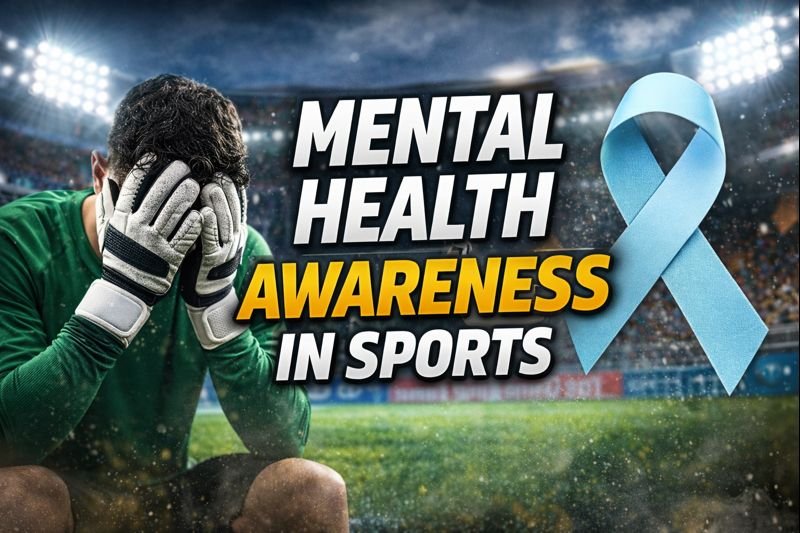
Sports have become an integral part of the world,
Mental health is a concern that has tended to get missed or, at best, receive lip service treatment in the world of sports. For far too long, athletes had a reputation to uphold that required them to remain tough, both physically and mentally, without ever considering what a toll such physical and emotional strain could exact. But as we move ahead, it is gratifying to see that the issue of mental health in sports is, at last, getting the attention it deserves.
In this blog, we will uncover the significance of mental health within the realm of sports, the difficulties faced by athletes, and the impact of mental health awareness on the sports industry.
The Hidden Struggles of Athletes
Athletic performance is a reflection of a person who is strong, quick, and invulnerable to injury, as far as the fans are concerned. What is left unseen is the part where even the best of them, like the rest of the world, encounter the same psychological and emotional conditions.
From anxiety to depression, many athletes experience issues with mental health; however, because of the stigma associated with mental health issues in the sporting world, they are often suffering in silence because they do not want to appear weak and inadequate for the sport they are involved in.
This can be particularly stressful for the athletes involved in professional-level sports where the burden of success is very high, and a slight mistake attracts a torrent of criticism. This daily routine of competition and personal sacrifices leaves the athletes with very little time for any kind of personal treatment or attention concerning mental well-being.
The Impact of Mental Health on Performance
Mental health not only affects the mental condition of an athlete, it also affects their physical performance. Research reveals that mental well-being influences an athlete's optimal performance. Mental stress, depression, and anxiety take physical forms such as lack of energy, inability to concentrate, and even injuries.
Within the sports field, every action and every decision is of utmost significance. If the athlete suffers from the influences of anxiety or depression, the decisions that the athlete will make will obviously be impaired. Moreover, the body will react slowly. It is important to understand that mental health is not only relevant to the well-being of the athlete but has a significant impact on the athlete's performance.
Impact of Mental Health on Goalkeepers
Goalkeepers have specific requirements when it comes to their mental health. The stress that comes with making crucial saves and organizing the defense might just lead to a lot of stress. In the event that the goalkeeper has stress or anxiety, it could work against him by not allowing him to execute even the simplest things such as catching the ball or diving for the ball. In such situations, the best goalkeeper gloves will not work.
A goalkeeper who is in a good psychological environment is more capable of responding promptly and accordingly when faced with a rapid shot, irrespective of whether he is using the finest goalie gloves. It is a good thing for the goalie to receive psychological assistance in order to deal with the immense pressure he faces.
Achievements in Mental Health Awareness in Sport
There is a paradigm shift in the world of sports in relation to mental health issues. Thanks to the initiative of athletes and bodies involved, mental health is slowly taking the limelight in the world of sports.
High-Profile Athletes Who are Pioneers
One of the main reasons behind this transition is the rising number of athletes who are speaking out about their mental health issues. Stars such as Simone Biles and Naomi Osaka are leading by example by choosing their mental well-being over winning. These athletes breaking their silence about mental health have managed to eliminate the stigma that was preventing athletes from seeking help whenever they needed it.
These courageous sportsmen and women have shown that mental health equally matters as physical health. The example that has been set by these sports personalities is that it is supposed to bring comfort to future sports personalities that it’s okay to struggle and that it’s equally important to take care of your mind as it’s important to take care of your physical health.
The Need for Mental Health Professionals in Sports Teams
Many sports organizations have begun to include mental health professionals among their staff, providing athletes with the opportunity to speak with sports psychologists and counselors. This alone has been a massive leap forward, leading to the normalization of mental health support seeking. Mental health staff provide athletes with tools to manage stress and work through their anxious thoughts amidst the sports industry.
These mental professionals are responsible for helping athletes learn the ways in which they can deal with performance anxieties, as well as the emotional support required in the wake of such demanding careers. This ensures that the athletes feel that the emotional needs are being met at the same time as the support being offered is important.
The Importance of Giving Priority to Mental Health in Sport
Through the mental health focus, players and entities can benefit in many different ways. Some of these ways include:
1. Enhanced Performance
When the mental health needs of athletes are satisfied, they can perform well. Lack of mental confusion, anxiety, and distractions can directly lead to better decision-making, quicker reflexes, and overall better performance. A happy and healthy athlete is one who will be able to achieve his peak even with the best goalkeeper gloves on.
2. Lower Chances of Burnout
Burnout is a critical aspect in top-level sports, as those who participate are continuously being stretched to the limit. Working to address mental health issues early on can help athletes avoid burning out completely. Mental health outlets offer help in managing stress as well as resources to aid in recovery to help athletes have long-lasting careers without burning out.
3. Breaking the Stigma
When sports figures come out to address mental health, it helps to remove barriers that may prevent others from seeking help. The more we are open about mental health issues that relate to sports, the more likely it is that sports figures will come out to reveal that it is necessary for them to access help.
4. Overall Health
Mental health impacts not only athletic performance but also translates to an athlete’s life away from athletic performance. Prioritizing and caring for mental health benefits an athlete by providing them with greater well-being. Better mental health outcomes can contribute to a reduced risk of conditions such as depression and anxiety, leading to happier and healthier athletes.
Future of Mental Health and Sport
As the promotion of mental wellness becomes more prevalent throughout the sports world, it is a hope of mine that a lasting change occurs among athletes regarding caring for themselves. Future generations of athletes may have the benefit of world-first access to a dialogue of mental wellness, making it normal for athletes to turn to professionals when dealing with the challenges of the world.
Although the progress which has been made is considerable, the fact remains that there is still much work which needs to be accomplished. The stigma which exists regarding mental health within sports culture is, by any means, still in existence. However, the progress which is being made today has never brought the sports culture closer to emphasizing the importance of mental health within sports as much as the importance of physical health.
Conclusion
Advocating For Mental Health In Sports Moving into the future, it becomes evident that mental health also has a very critical role to play in athletic performance. The athletes who begin to take a stand in support of mental health awareness and focus on their own mental wellbeing are encouraging the next generation to follow in their footsteps. By emphasizing mental health awareness in sports, it enables athletes to be their best version in their sport as well as in life. Athlete support is a fact of life because athletes are human, and just like every other human being, they will require some level of support. It is about time the world of sports understood and acknowledged the role of mental health in a comprehensive way because, just like taking care of the body, taking care of the mind will be important as well. This will mean focusing on things like ensuring goalkeepers wear the best goalkeeper gloves.
Tags : .....