1. Introduction
Building projects face tight budgets, short timelines, and high risk. Small errors can cause big losses. Teams now need clear plans before work starts. This is where BIM services play a key role.
BIM helps teams see a project before construction begins. It shows design, cost, time, and space in one model. Many construction roles use BIM today. Some depend on it more than others. Among them, architects stand at the front.
Architects use BIM to turn ideas into buildable plans. They rely on it to improve design quality and reduce rework. BIM gives them better control and clarity at every stage.
2. Understanding BIM Services
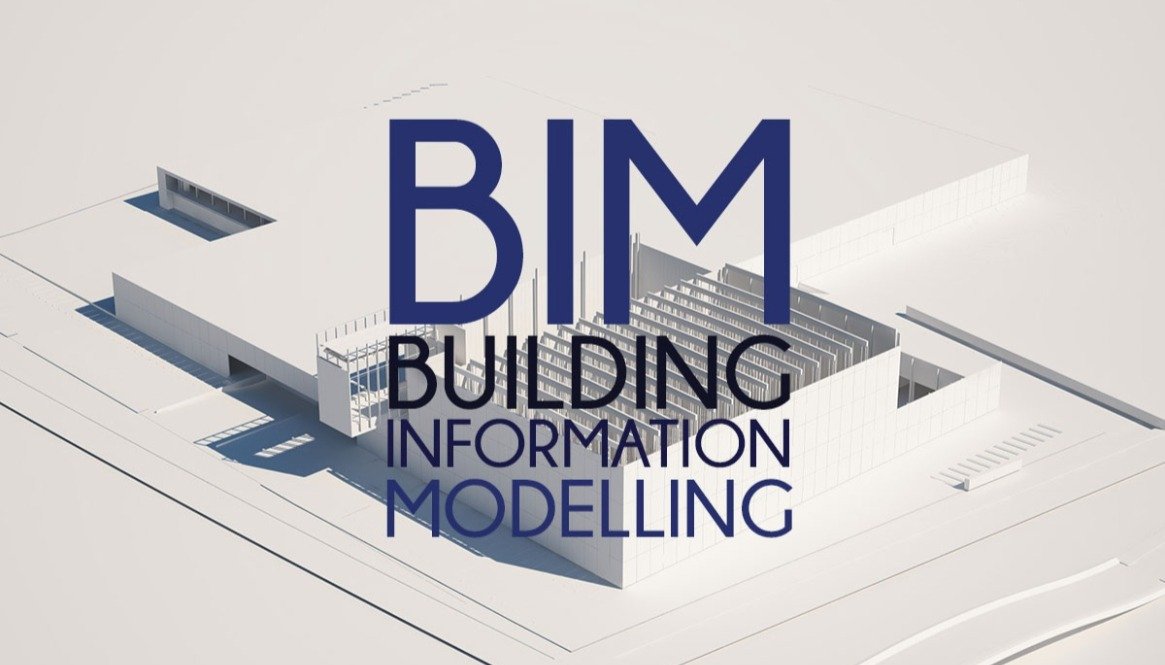
BIM stands for Building Information Modeling. It is more than 3D drawings. It is a smart process that uses data-rich models. These models show shape, size, materials, and structure details.
BIM services support planning, design, and execution. They include 3D modeling, clash detection, quantity takeoffs, and coordination. Teams can also link BIM with time and cost data.
With BIM, teams spot issues before construction starts. This saves money and time. It also improves teamwork between architects, engineers, and contractors.
BIM models stay useful even after project handover. Facility teams use them for repair and space planning. This long-term value drives BIM adoption across the industry.
3. Architects
Architects are among the biggest users of BIM services. Design sits at the heart of any project. BIM helps architects shape ideas with accuracy.
With BIM, architects create detailed digital models instead of flat drawings. These models help clients understand design intent better. Changes become easier to apply and review.
BIM allows architects to test ideas early. They can study space use, light flow, and layout conflicts. This leads to better design decisions.
Coordination matters a lot in architecture. BIM helps architects work closely with engineers. It reduces clashes between structure, plumbing, and electrical systems.
BIM also supports faster approvals. Authorities and clients can review clear models instead of complex drawings. This cuts delays and confusion.
Many architects use BIM to stay competitive. Clients now expect accuracy, speed, and transparency. BIM helps architects meet these demands with confidence.
As projects grow complex, architects rely on BIM even more. It supports creativity while keeping designs practical and build-ready.
4. Engineering Consultants (Structural, MEP, Civil)
Engineering consultants rely on BIM to bring clarity to complex designs. Structural teams use BIM to test load paths and spot weak points early. This saves time during design checks and site work. MEP consultants use BIM to plan ducts, pipes, and cables with accuracy. They avoid clashes before work starts on site.
Civil engineers use BIM to align roads, drainage, and utilities with the main structure. This reduces design gaps and site changes. BIM also helps consultants share clear models with clients and contractors. Everyone sees the same data at the same time. This builds trust and speeds up decisions.
Consultants also use BIM for quantity checks and cost reviews. This supports better advice to project owners. BIM gives engineers control, accuracy, and confidence across project stages.
5. General Contractors
General contractors use BIM to plan work before crews reach the site. They rely on models to understand design intent clearly. This reduces guesswork and site disputes. BIM helps contractors create accurate schedules and plan tasks in the right order. Teams see where risks may appear and act early.
Contractors also use BIM to track materials and labor needs. This avoids waste and delays. Site teams use BIM models during coordination meetings. This improves communication with engineers and subcontractors. BIM also supports safety planning by showing risky zones in advance.
Contractors use it to manage changes without major disruption. Updated models help teams respond fast to client requests. BIM gives contractors better control over time, cost, and quality.
6. Subcontractors and Fabricators
Subcontractors and fabricators depend on BIM for precise details. Steel, HVAC, and facade teams use models to plan their scope clearly. BIM helps them read dimensions without confusion. This reduces errors during fabrication. Fabricators use BIM to create shop drawings directly from models.
This saves time and cuts rework. Subcontractors use BIM to check fit before delivery to site. This avoids costly returns and fixes. BIM also helps them align work with other trades. Clash-free planning reduces site conflict.
Many subcontractors use BIM to guide prefabrication. This improves speed and quality. Clear models help teams train workers before site work begins. BIM gives subcontractors confidence in execution and delivery
7. How Architects Use BIM for Design Accuracy
Architects use BIM to create clear and accurate building designs. BIM helps them turn ideas into detailed digital models. These models show shapes, sizes, and spaces in one place. Architects can test layouts before work starts on site. This reduces design gaps and confusion.
BIM allows quick design updates without redrawing plans. When a wall or layout changes, the full model updates. This saves time and avoids errors. Architects also use BIM to check how spaces connect. They can spot clashes between rooms, walls, and structures early. This leads to better design control.
Clients also understand designs better through 3D views. Clear visuals help architects explain ideas with ease. BIM supports faster design approval and fewer revisions.
8. Role of BIM in Architect Collaboration
BIM helps architects work better with engineers and contractors. All teams use one shared model. This keeps everyone on the same page. Architects can see inputs from structural and MEP teams.
This avoids conflicts later in the project. BIM allows easy file sharing and real time updates. Architects do not wait for long feedback cycles. Changes reflect across teams with clarity. This improves trust and teamwork.
BIM also helps architects manage design intent. They ensure plans stay aligned with the project vision. Smooth coordination leads to fewer site changes. Architects save time and reduce stress during project phases.
9. Why Architects Rely on BIM for Project Success
Architects rely on BIM to deliver projects on time and within scope. BIM supports better planning from early stages. Architects can study space use, flow, and scale before build starts. This leads to smarter design choices.
BIM also helps with cost awareness. Architects can see material data inside the model. This helps align design with client budgets. BIM improves quality and reduces rework. Fewer errors mean fewer delays. Architects gain confidence in their designs.
Clients also trust BIM based workflows. Clear models create clear decisions. This makes BIM a key tool for modern architects.
10. Conclusion
BIM services now shape how construction teams plan, design, and deliver projects. They bring clarity to complex work. Each user group gains value in a different way. Architects use BIM to design with purpose and accuracy. Engineers rely on it to test ideas before site work starts. Contractors trust BIM to plan tasks and reduce site risks. Developers see better cost control and clear project views. Facility owners benefit from clear data after handover.
BIM also supports better teamwork. Teams share one model and one source of truth. This reduces errors and saves time. Decisions become faster and more confident. Rework drops, and project flow improves.
As projects grow complex, BIM adoption will rise. Companies that invest early gain an edge. They deliver better quality and meet deadlines with ease. BIM no longer stays optional. It now acts as a core tool across the construction ecosystem.
Tags : .....