In today's technology-driven business environment, organizations rely heavily on digital systems to manage operations, communicate with customers, store data, and drive growth. As technology becomes increasingly complex, maintaining an efficient and secure IT infrastructure can be challenging for businesses of all sizes. This is where managed solutions come into play.
Many companies struggle with recurring technical issues, cybersecurity threats, unexpected downtime, and the rising costs of maintaining in-house IT teams. Managed technology support offers a practical and cost-effective solution by providing expert assistance, proactive monitoring, and ongoing maintenance. Investing in professional technology management is no longer a luxury—it has become a necessity for businesses seeking long-term success.
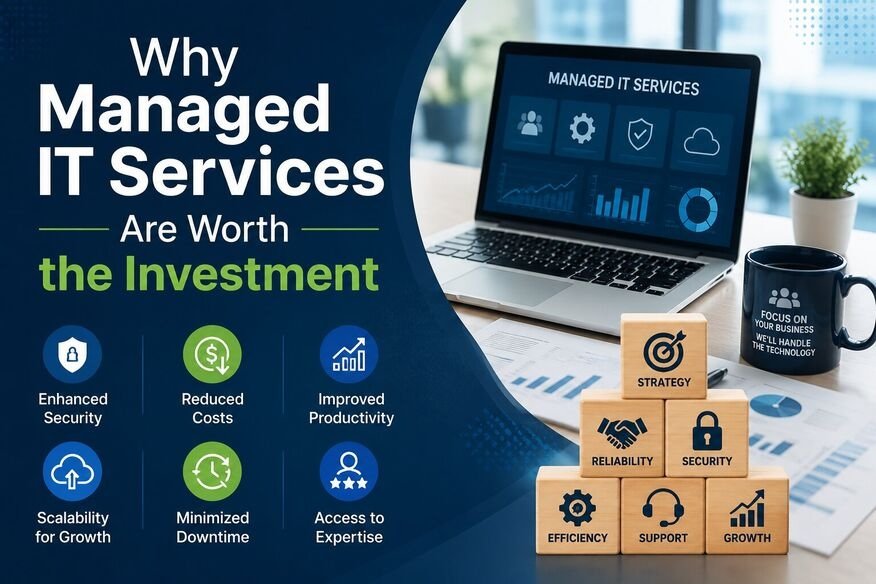
Why Businesses Are Turning to Managed IT Services
Organizations are increasingly choosing managed IT services because they offer a comprehensive approach to technology management. Instead of reacting to problems after they occur, managed service providers take a proactive stance, identifying and resolving issues before they impact business operations.
This proactive model helps businesses improve productivity, reduce operational disruptions, and gain access to advanced expertise without the expense of hiring a full internal IT department. By outsourcing technology management, companies can focus more on their core business goals while leaving technical challenges to experienced professionals.
Managed support services also provide scalability, making them ideal for growing businesses. As organizational needs evolve, technology resources can be adjusted accordingly without major investments in infrastructure or staffing.
IT Services Help Reduce Operational Costs
One of the most significant advantages of managed technology support is cost savings. Maintaining an in-house IT department can be expensive, especially when considering salaries, benefits, training, software licensing, and equipment costs.
Managed solutions typically operate on a predictable monthly pricing model. This allows businesses to budget more effectively and avoid unexpected expenses related to system failures or emergency repairs. Companies can access a full team of specialists for a fraction of the cost of hiring multiple internal employees.
Additionally, proactive maintenance helps prevent costly downtime and reduces the likelihood of major technical failures that can disrupt operations and impact revenue.
Enhanced Cybersecurity Protection
Cybersecurity remains one of the biggest concerns for modern organizations. Cybercriminals continue to develop sophisticated methods for targeting businesses, regardless of size or industry.
Managed technology providers offer advanced security measures designed to protect critical systems and sensitive data. These services often include:
- Continuous network monitoring
- Threat detection and prevention
- Firewall management
- Endpoint security
- Data backup and recovery
- Security updates and patch management
- Employee security awareness support
By implementing multiple layers of protection, businesses can significantly reduce their exposure to cyber threats and improve overall security posture.
Furthermore, managed providers stay updated on emerging risks and industry best practices, ensuring organizations remain protected against evolving threats.
Improved Business Continuity and Disaster Recovery
Unexpected events such as hardware failures, cyberattacks, natural disasters, or human error can disrupt business operations. Without a proper recovery strategy, these incidents can lead to data loss, financial damage, and reputational harm.
Managed technology partners help businesses establish robust disaster recovery and business continuity plans. Regular backups, redundant systems, and recovery testing ensure that critical information remains accessible even during emergencies.
When disruptions occur, organizations can recover more quickly and resume operations with minimal downtime. This resilience is essential in today's competitive marketplace, where customers expect uninterrupted service and reliability.
Access to Specialized Expertise
Technology evolves rapidly, making it difficult for internal teams to stay current with every new development, security requirement, and industry trend.
Managed providers employ professionals with expertise across various technology disciplines, including:
- Cloud computing
- Network administration
- Cybersecurity
- Data management
- Compliance requirements
- Infrastructure optimization
- Software integration
This broad range of knowledge enables businesses to benefit from specialized skills whenever needed. Instead of investing heavily in training and recruitment, organizations gain immediate access to experienced professionals who understand the latest technologies and best practices.
IT Services Improve Productivity and Efficiency
Technical issues can significantly impact employee productivity. Slow systems, network outages, software problems, and security incidents create unnecessary delays and frustration.
Managed technology support minimizes these disruptions through proactive monitoring and rapid issue resolution. Systems are maintained regularly, updates are applied efficiently, and potential problems are addressed before they affect daily operations.
As a result, employees can focus on their responsibilities without being hindered by technology-related obstacles. Improved system performance contributes directly to increased productivity, better customer service, and stronger business outcomes.
Reliable technology also enhances collaboration, communication, and workflow management across departments, supporting organizational growth and efficiency.
Scalability for Growing Businesses
Business growth often creates new technology challenges. Expanding teams, additional locations, increased data volumes, and evolving customer expectations require scalable technology solutions.
Managed support services offer flexibility that allows organizations to adapt quickly to changing demands. Resources can be expanded or adjusted without major capital investments, making it easier to support growth initiatives.
Whether a business is adding new employees, migrating to cloud platforms, or implementing new software solutions, managed providers help ensure technology infrastructure keeps pace with organizational objectives.
This scalability enables companies to remain agile and competitive in rapidly changing markets.
Compliance and Risk Management
Many industries operate under strict regulatory requirements related to data privacy, security, and information management. Failure to comply with these regulations can result in fines, legal issues, and reputational damage.
Managed technology providers help organizations navigate complex compliance requirements by implementing appropriate controls, monitoring systems, and maintaining documentation.
Common compliance areas include:
- Data protection regulations
- Industry-specific security standards
- Audit preparation
- Risk assessments
- Access control management
With expert guidance, businesses can reduce compliance-related risks while maintaining secure and efficient operations.
Competitive Advantage Through Technology
Technology has become a major driver of business success. Organizations that effectively leverage digital tools can improve customer experiences, streamline operations, and respond more quickly to market changes.
Managed technology partners help businesses adopt innovative solutions that support strategic goals. From cloud migration and automation to cybersecurity enhancements and infrastructure modernization, these services enable companies to remain competitive in increasingly digital industries.
Rather than simply maintaining systems, managed providers contribute to long-term technology planning and optimization, helping businesses maximize the value of their technology investments.
Choosing the Right Managed Technology Partner
Selecting the right provider is an important decision that can significantly impact business performance. Organizations should evaluate potential partners based on:
- Industry experience
- Technical expertise
- Security capabilities
- Service level agreements
- Customer support responsiveness
- Scalability options
- Proven track record
A reliable partner should understand business objectives and provide customized solutions that align with organizational needs.
For example, companies like Seven Dimension GEE Inc demonstrate how professional technology management can support business growth through proactive support, security enhancement, and strategic technology planning.
Conclusion
Investing in managed technology support delivers substantial value for businesses seeking greater efficiency, security, and long-term growth. From reducing costs and minimizing downtime to strengthening cybersecurity and improving scalability, managed solutions provide a comprehensive approach to modern technology management.
As digital transformation continues to reshape industries, organizations must ensure their technology infrastructure remains secure, reliable, and aligned with business objectives. Managed support services offer the expertise, resources, and proactive management needed to achieve these goals.
Businesses that embrace professional technology management position themselves for sustained success, improved operational performance, and a stronger competitive advantage in today's fast-paced digital landscape.