Introduction
In today’s fast-paced business environment, operational efficiency is no longer just about working harder. Organizations must make smarter decisions, respond quickly to changing conditions, and continuously optimize processes to stay competitive. This is where real-time data has become a game-changer. By providing immediate visibility into operations, assets, customer interactions, and performance metrics, real-time data allows businesses to identify opportunities and address problems as they occur rather than after the fact.
From manufacturing plants and logistics networks to healthcare facilities and retail operations, organizations are leveraging real-time insights to improve productivity, reduce costs, and enhance decision-making. Instead of relying on outdated reports or historical information alone, managers can act on live data streams that reflect the current state of operations. The result is greater agility, improved resource utilization, and more consistent outcomes.
Below are seven key ways real-time data is transforming operational efficiency across industries.
Faster Decision-Making Across Teams
One of the most significant benefits of real-time data is the ability to make informed decisions quickly. Traditional reporting systems often create delays because information must be gathered, analyzed, and distributed before action can be taken. By the time decision-makers receive the data, circumstances may have already changed.
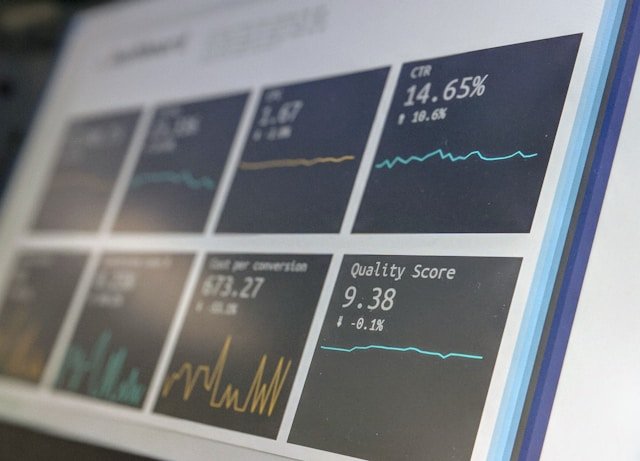
Real-time data eliminates this lag. Team leaders, managers, and executives can monitor live dashboards that provide instant updates on performance indicators, equipment status, inventory levels, and customer demand. This immediate access to information enables organizations to respond faster to opportunities and challenges.
For example, a warehouse manager who notices an unexpected surge in orders can quickly reallocate staff and resources to maintain fulfillment rates. Similarly, a production supervisor can address equipment issues immediately before they disrupt the entire workflow. Faster decisions often lead to reduced downtime, improved productivity, and stronger overall performance.
Reduced Equipment Downtime
Unexpected equipment failure can be costly for any organization. Downtime often results in lost productivity, delayed deliveries, increased maintenance expenses, and dissatisfied customers. Real-time monitoring helps businesses identify potential issues before they escalate into major failures.
Modern sensors and connected devices continuously track machine performance, temperature, vibration, pressure, and other critical metrics. When unusual patterns appear, maintenance teams receive immediate alerts, allowing them to intervene proactively.
Many industrial organizations use a data historian to collect and store large volumes of operational data from equipment and control systems. By analyzing these data streams in real time, maintenance teams can detect warning signs of wear, predict failures, and schedule repairs at optimal times.
This predictive approach minimizes interruptions, extends equipment lifespan, and ensures operations remain efficient and reliable.
Improved Resource Allocation
Efficient use of resources is essential for maintaining profitability and productivity. Real-time data provides businesses with a clear picture of how resources such as labor, equipment, materials, and energy are being utilized at any given moment.
When managers can see live operational data, they can identify bottlenecks, underutilized assets, or areas where resources are being overextended. This visibility allows organizations to make immediate adjustments and improve performance.
For example, transportation companies can optimize vehicle assignments based on current demand, traffic conditions, and delivery schedules. Manufacturing facilities can balance production lines according to workload fluctuations. Service organizations can adjust staffing levels in response to customer activity.
These data-driven decisions help reduce waste, improve efficiency, and ensure resources are deployed where they create the greatest value.
Enhanced Supply Chain Visibility
Supply chain disruptions can significantly impact operational efficiency. Delays in shipments, inventory shortages, and communication gaps often create challenges that affect customers and profitability.
Real-time data improves supply chain visibility by providing continuous updates on inventory levels, shipment locations, supplier performance, and demand fluctuations. Organizations can monitor the movement of goods throughout the supply chain and identify issues before they become larger problems.
For instance, if a shipment is delayed due to weather or transportation challenges, logistics teams can quickly adjust delivery schedules and communicate updated timelines to customers. Retailers can monitor inventory levels in real time to avoid stockouts or excess inventory.
This increased visibility creates a more responsive supply chain that can adapt quickly to changing conditions while maintaining operational efficiency.
Greater Workforce Productivity
Employees perform best when they have access to accurate and timely information. Real-time data empowers workers at every level by providing the insights they need to complete tasks efficiently and make informed decisions.
In manufacturing environments, operators can monitor machine performance and production targets as they work. In customer service settings, representatives can access live customer information and resolve issues more effectively. In healthcare, medical staff can monitor patient conditions continuously and respond quickly to changes.
Real-time feedback also supports performance improvement initiatives. Employees can immediately see how their actions affect outcomes and make adjustments when necessary. This creates a culture of continuous improvement where teams remain aligned with organizational objectives.
As a result, productivity increases while errors, delays, and inefficiencies are reduced.
Better Customer Experiences
Operational efficiency directly influences customer satisfaction. Businesses that can respond quickly, fulfill orders accurately, and resolve issues promptly are more likely to build strong customer relationships.
Real-time data allows organizations to better understand customer needs and respond with greater speed and precision. Businesses can track purchasing behaviors, monitor service requests, and identify potential issues before customers become frustrated.
For example, e-commerce companies can provide accurate delivery updates based on live shipping information. Financial institutions can detect and address transaction issues immediately. Service providers can monitor system performance and resolve disruptions before they affect customers.
When organizations use real-time insights to enhance responsiveness, customers benefit from faster service, greater transparency, and more reliable experiences.
Stronger Operational Forecasting and Planning
While real-time data focuses on current conditions, it also plays an important role in future planning. Organizations that continuously collect and analyze live information gain a deeper understanding of patterns, trends, and operational performance.
Real-time insights help businesses improve forecasting accuracy by incorporating the latest information into planning models. Instead of relying solely on historical reports, organizations can evaluate current conditions and adjust strategies accordingly.
For example, manufacturers can predict demand shifts more accurately, retailers can optimize inventory planning, and logistics providers can anticipate potential capacity constraints. These capabilities enable businesses to prepare for future challenges while maintaining operational efficiency today.
More accurate planning helps reduce unnecessary costs, improve service levels, and support long-term growth objectives.
Conclusion
Real-time data is reshaping how organizations manage their operations. By providing immediate visibility into processes, equipment, resources, supply chains, workforce activities, and customer interactions, it enables businesses to make faster and more informed decisions. The ability to identify issues as they arise and respond proactively helps reduce waste, minimize downtime, and improve overall performance.
As technology continues to advance, organizations that leverage real-time insights will be better positioned to adapt to changing market conditions and customer expectations. Whether the goal is improving productivity, enhancing service quality, or strengthening strategic planning, real-time data has become an essential tool for achieving operational excellence and sustainable business success.
Tags : .....