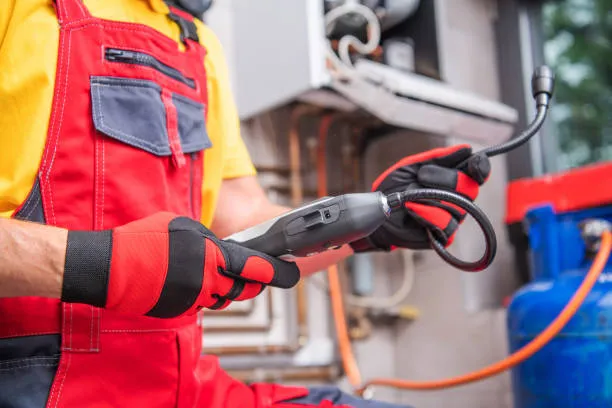
Industrial facilities across Southeast Asia are under growing pressure to reduce emissions, improve operational efficiency, and comply with increasingly stringent environmental regulations. As governments strengthen sustainability initiatives and manufacturers focus on minimizing product losses, leak detection technologies have become a critical part of industrial maintenance strategies. The growing emphasis on operational safety is encouraging businesses to adopt proactive inspection and repair programs instead of relying on reactive maintenance.
One of the key developments supporting this transition is the industrial emissions monitoring landscape. The Southeast Asia Leak Detection and Repair (LDAR) Market was valued at USD 578 million in 2025. It is estimated to reach USD 611 million in 2026 and is projected to grow to approximately USD 817 million by 2032, registering a CAGR of 4.96% during the forecast period. The market reflects the region's increasing investment in technologies that help reduce fugitive emissions while improving operational reliability.
Industries such as oil & gas, chemicals, petrochemicals, power generation, and manufacturing continue to expand across Southeast Asia. With larger industrial infrastructures comes a greater need to detect leaks before they lead to environmental damage, product losses, or safety incidents. Modern monitoring solutions allow operators to identify even minor leaks, reducing maintenance costs and supporting long-term asset performance.
Environmental Regulations Continue to Drive Market Adoption
Governments throughout Southeast Asia are implementing stricter environmental standards aimed at reducing greenhouse gas emissions and improving industrial compliance. Facilities handling volatile organic compounds (VOCs) and methane emissions are increasingly required to monitor equipment regularly and document maintenance activities. As regulatory expectations evolve, organizations are investing in comprehensive leak detection programs that ensure both compliance and operational efficiency.
Environmental agencies worldwide have consistently emphasized that methane and VOC emission reduction represents one of the fastest opportunities to lower industrial greenhouse gas emissions while improving resource efficiency. According to the International Energy Agency (IEA), reducing methane leaks remains among the most cost-effective climate actions available for the energy sector.
Digital Technologies Are Transforming Leak Detection
Traditional manual inspections are gradually being complemented by advanced digital technologies capable of identifying leaks more accurately and efficiently. Infrared optical gas imaging cameras, continuous monitoring sensors, drone inspections, artificial intelligence, cloud-based analytics, and Industrial Internet of Things (IIoT) platforms enable operators to monitor equipment in real time. These technologies reduce inspection time while allowing maintenance teams to prioritize repairs based on actual risk.
Predictive maintenance has become another important trend across industrial facilities. Rather than waiting for equipment failures, operators analyze sensor data to identify abnormalities early, minimizing unplanned downtime and reducing maintenance expenditures. As digital transformation accelerates throughout Southeast Asia, intelligent monitoring solutions are expected to play an increasingly important role in industrial asset management.
Oil & Gas Industry Remains a Major Growth Contributor
The oil and gas sector continues to represent one of the largest users of leak detection and repair technologies. Pipelines, storage terminals, refineries, offshore platforms, compressors, valves, and processing plants all require continuous monitoring to prevent product losses and maintain workplace safety. Even minor leaks can lead to substantial financial losses while increasing operational risks and environmental liabilities.
Growing investments in refining capacity, petrochemical production, and natural gas infrastructure across countries such as Indonesia, Malaysia, Thailand, and Vietnam are increasing demand for sophisticated inspection technologies. Industrial operators are also integrating LDAR programs into broader environmental, social, and governance (ESG) initiatives to demonstrate responsible operational practices. According to the International Energy Agency, reducing methane emissions from existing energy infrastructure remains technically feasible using currently available technologies.
Industrial Sustainability Is Reshaping Investment Priorities
Beyond regulatory compliance, many organizations now view leak detection as an important business strategy. Preventing product losses improves operational efficiency while reducing maintenance costs and enhancing worker safety. Companies are increasingly recognizing that proactive maintenance programs contribute to improved equipment reliability, lower energy consumption, and stronger environmental performance.
Growing investor interest in sustainable industrial operations is further encouraging organizations to modernize inspection practices. Facilities capable of demonstrating lower emissions and improved environmental management often strengthen their competitive positioning while supporting long-term corporate sustainability objectives.
Future Outlook
The Southeast Asian industrial sector continues to expand alongside investments in manufacturing, energy infrastructure, and petrochemical production. As facilities become more automated and environmental expectations continue to rise, demand for intelligent leak detection technologies is expected to remain steady. Digital monitoring platforms, predictive maintenance capabilities, and advanced sensing technologies are likely to shape the next phase of industrial safety and emissions management across the region.
Organizations that integrate modern inspection technologies into their maintenance strategies are expected to benefit from improved operational efficiency, stronger regulatory compliance, reduced environmental impact, and enhanced asset reliability. These factors collectively position leak detection and repair solutions as an increasingly important component of Southeast Asia's evolving industrial landscape.