A trip to Cambodia from Dubai is a great way to experience Southeast Asia's historic temples, bustling cities, stunning islands, and rich culture and cuisine, all in one well-rounded trip. With the right itinerary, it's entirely possible to cover Cambodia's most popular destinations without feeling rushed. Cambodia tour packages from Dubai can simplify the planning further, bundling flights, accommodation, sightseeing, and transfers into a single package.
A well-planned 7-day trip to Cambodia gives you a genuinely good balance of the country — enough time to explore Siem Reap, Phnom Penh, and a few other highlights, while still leaving room to relax. In a week, you can watch the sunrise over Angkor Wat, browse local markets, take in the tropical climate, and experience a few different regions of the country. Before you go, though, there are a few essentials worth sorting out: choosing the right time of year, getting your documents in order, arranging transport, and mapping out how you'll spend each day.
Choose the Best Time to Visit Cambodia
The first step in planning is picking the right time to travel. Cambodia has a tropical climate with two main seasons — wet and dry. The dry season, running roughly from November to April, is generally the more popular time to visit, since lower rainfall makes sightseeing and outdoor activities more convenient.
The wet season has its own appeal too, with lush, green landscapes and smaller crowds at some sites. That said, travelers should be prepared for periods of heavy rain during certain months. Since conditions can vary, it's worth checking the forecast closer to your travel dates.
Choose the Best Places to Visit in Cambodia
For a 7-day trip, it's better to focus on a handful of destinations rather than trying to cover the whole country. Siem Reap is essential, offering access to the Angkor Archaeological Park and the famous Angkor Wat temple complex.
Phnom Penh, Cambodia's capital, is the natural next stop, offering a very different experience from Siem Reap with its mix of historical, architectural, cultural, and contemporary urban attractions. If beaches are more your style, you could swap out some city sightseeing for a trip to Sihanoukville and its nearby islands instead.
Plan Your Flight from Dubai
Flights are one of the most important pieces to sort out early. Before booking, it's worth comparing flight options, total travel time, baggage allowances, and ticket conditions. Depending on the airline and travel dates, you may find a direct route or one with a connection through another Asian or regional hub.
Booking flights and accommodation in advance is especially worthwhile during peak travel season, since it gives you more flexibility with departure times, hotel choices, and room categories. It's also worth factoring in the overall length of your trip when planning your first and last days, since travel between Dubai and Cambodia takes a fair amount of time.
Day 1: Arrival in Siem Reap
The first day of your trip should be fairly relaxed, since the journey between Dubai and Cambodia takes several hours. After clearing airport procedures, head to your hotel in Siem Reap.
Once you've checked in and rested, take some time to explore the area at a comfortable pace. The Old Market area and Pub Street are great for local food, shopping, and evening entertainment. Use the evening to settle into your surroundings before diving into temple exploration the next day.
Day 2: Explore Angkor Wat and Nearby Temples
Day two is dedicated to the Angkor Archaeological Park. Angkor Wat itself is the most iconic and recognizable temple complex in the world, and Cambodia's most famous landmark — expect to spend several hours taking in its architecture, galleries, and carvings.
Beyond Angkor Wat, it's well worth visiting the other major temples in the complex. Bayon Temple, known for its massive stone faces, and Ta Prohm, famous for the trees growing through its ruins, are two of the most popular extensions to the day. Given the scale of the park, comfortable footwear, plenty of drinking water, sun protection, and appropriate clothing are all essential.
Day 3: More of Siem Reap
The third day can be spent exploring beyond the main Angkor temples. Local markets, cultural sites, artisan workshops, and traditional villages all offer a closer look at everyday Cambodian life.
A visit to Tonlé Sap Lake is also worth considering. The lake plays a major role in Cambodia's ecosystems and local livelihoods, and depending on the season and tour availability, a boat trip can offer a glimpse of the floating or lakeside communities that call it home.
In the evening, make time to try some Cambodian food. Popular dishes include amok, lok lak, fresh spring rolls, and a range of rice and noodle dishes — trying the local cuisine is one of the easiest ways to add a deeper cultural layer to the trip.
Day 4: Siem Reap to Phnom Penh
Day four is for traveling to Phnom Penh. Depending on your budget, timeline, and comfort preferences, you can choose a domestic flight, a bus, or a private transfer.
Once you've arrived and settled into your hotel, spend the afternoon at a relaxed pace. Wander the central areas, browse local markets, or take in the views along the riverside. Phnom Penh has a genuinely vibrant mix of traditional and modern Cambodia, with plenty of restaurants, cafés, shops, and hotels to explore.
Day 5: Phnom Penh's History and Culture
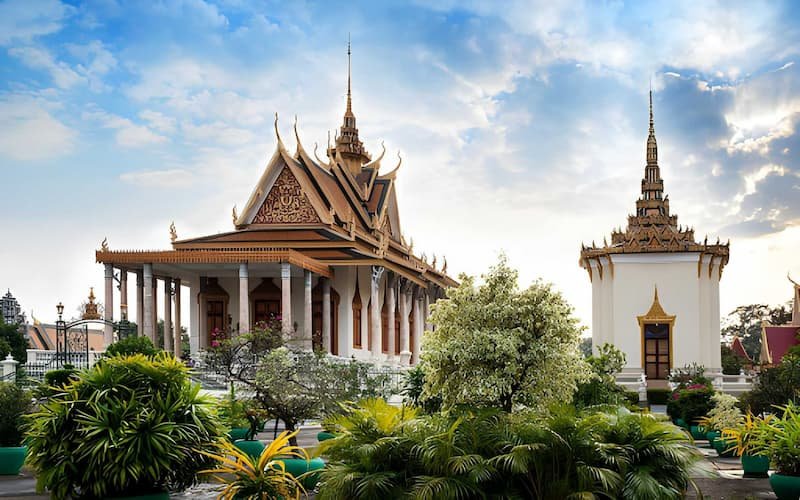
Dedicate day five to Phnom Penh's historical and cultural sites. The Royal Palace is a major landmark and a great opportunity to see traditional Cambodian architecture up close, and the Silver Pagoda, part of the same complex, is another highlight.
For a deeper understanding of modern Cambodia, consider visiting some of the city's museums and historical sites that document the country's difficult recent past. It's worth giving these attractions enough time, since they add real depth to your understanding of Cambodian history and culture.
In the evening, enjoy a meal in Phnom Penh or head to a night market, where you'll find souvenirs, traditional products, handicrafts, and clothing on offer.
Day 6: A Flexible Day
Day six is a good one to keep open, based on your interests. Culture enthusiasts might visit additional museums and markets, while those wanting to slow down can spend the day around the hotel, at a café, or getting a spa treatment.
If time allows, a day trip to a nearby destination is another option — just be careful not to overload the day. A flexible schedule also leaves room to stop by a café, browse a market, or simply enjoy one last unhurried day in Cambodia before heading home.
Day 7: Last-Minute Shopping and Departure
The final day of your trip should stay relaxed. After breakfast, check your hotel's departure requirements and store your luggage securely if you're leaving later in the day.
Use any remaining time for last-minute shopping at souvenir shops or a final meal before heading to the airport. Plan ahead to allow enough time for security, immigration, and check-in, and keep a copy of your passport, flight information, hotel reservations, and other travel documents easily accessible.
Budgeting for a Cambodia Trip from Dubai
The total cost of a Cambodia trip depends on flights, hotel category, transportation, food, sightseeing, travel season, and personal spending habits. Choosing budget-friendly accommodation, local transport, and moderately priced dining are all easy ways to keep costs down.
For a more comfortable trip, consider four-star hotels, private transport, guided tours, and higher-end dining. Whatever your style, setting a daily budget ahead of time helps avoid unexpected expenses from throwing off the rest of the trip.
Visa and Travel Documents
Check the latest entry and visa requirements for Cambodia based on your nationality and UAE residency status before booking. As of 2026, most travelers can apply for a Cambodia e-visa or visa on arrival, generally costing around USD 30 to 36 for a 30-day single-entry tourist visa. Since January 2025, all visitors flying into Cambodia are also required to submit a Cambodia e-Arrival Card online within seven days before arrival, so it's worth building this into your pre-trip checklist.
Your passport should be valid for at least six months beyond your travel dates, and it's a good idea to keep both physical and digital copies of your documents. Hotel reservations, return or onward flight details, and travel insurance information are also worth having on hand throughout the trip.
Transportation and Accommodation Tips
Staying close to the main attractions can save both time and money. In Siem Reap, choosing a hotel within easy reach of the Angkor temple area and the town center makes sightseeing considerably easier. In Phnom Penh, central accommodation puts restaurants, markets, cultural sites, and transport options all within convenient reach.
Within cities, tuk-tuks, taxis, ride-hailing apps, and private transport are all viable options depending on your preference. For travel between cities, flights tend to be the quickest option, while buses or private vehicles work well for those traveling on a tighter budget.
What to Pack for Cambodia
Cambodia's heat and humidity call for light, breathable clothing. Comfortable walking shoes are essential for exploring the temple complexes, and sunscreen, sunglasses, a hat, insect repellent, personal medication, and a reusable water bottle are all worth packing too.
Modest clothing is recommended for visits to religious and historical sites. A light rain jacket or umbrella is also worth having on hand, particularly if you're traveling during the wetter months.
Tips for a More Comfortable Trip
The key to a successful Cambodia trip is being realistic about how much you can fit into each day. Overpacking your schedule with attractions leaves little room for travel time, weather, queues, or unexpected delays. Booking hotels, flights, airport transfers, and popular tours in advance goes a long way toward keeping the trip running smoothly.
It also helps to leave some breathing room in your itinerary. A bit of flexibility opens the door to discovering cafés, markets, restaurants, and cultural experiences that don't always make it into a standard travel itinerary.
Conclusion
Planning a 7-day trip to Cambodia from Dubai is much easier when you build your itinerary around a handful of key destinations rather than trying to see everything. Siem Reap offers an unmissable visit to Angkor Wat and the surrounding archaeological sites, while Phnom Penh provides a genuine window into Cambodian history, culture, cuisine, and modern life. Booking flights and hotels ahead of time, staying on top of entry requirements, and arranging convenient transfers all help the trip run smoothly.
With careful planning, seven days is genuinely enough time to get a solid introduction to Cambodia when traveling from Dubai. Whether your interests lean toward ancient architecture, cultural experiences, local food, history, or shopping, Cambodia has plenty to offer. Striking the right balance between sightseeing and downtime is what makes for a great trip, without the stress.
Tags : Cambodia