Why is Your Plastic Scrap Grinder Machine Overheating? Simple Solutions by Invoitplast Machinery
By Invoit Plast Machinery PVT LTD 13-06-2026 164
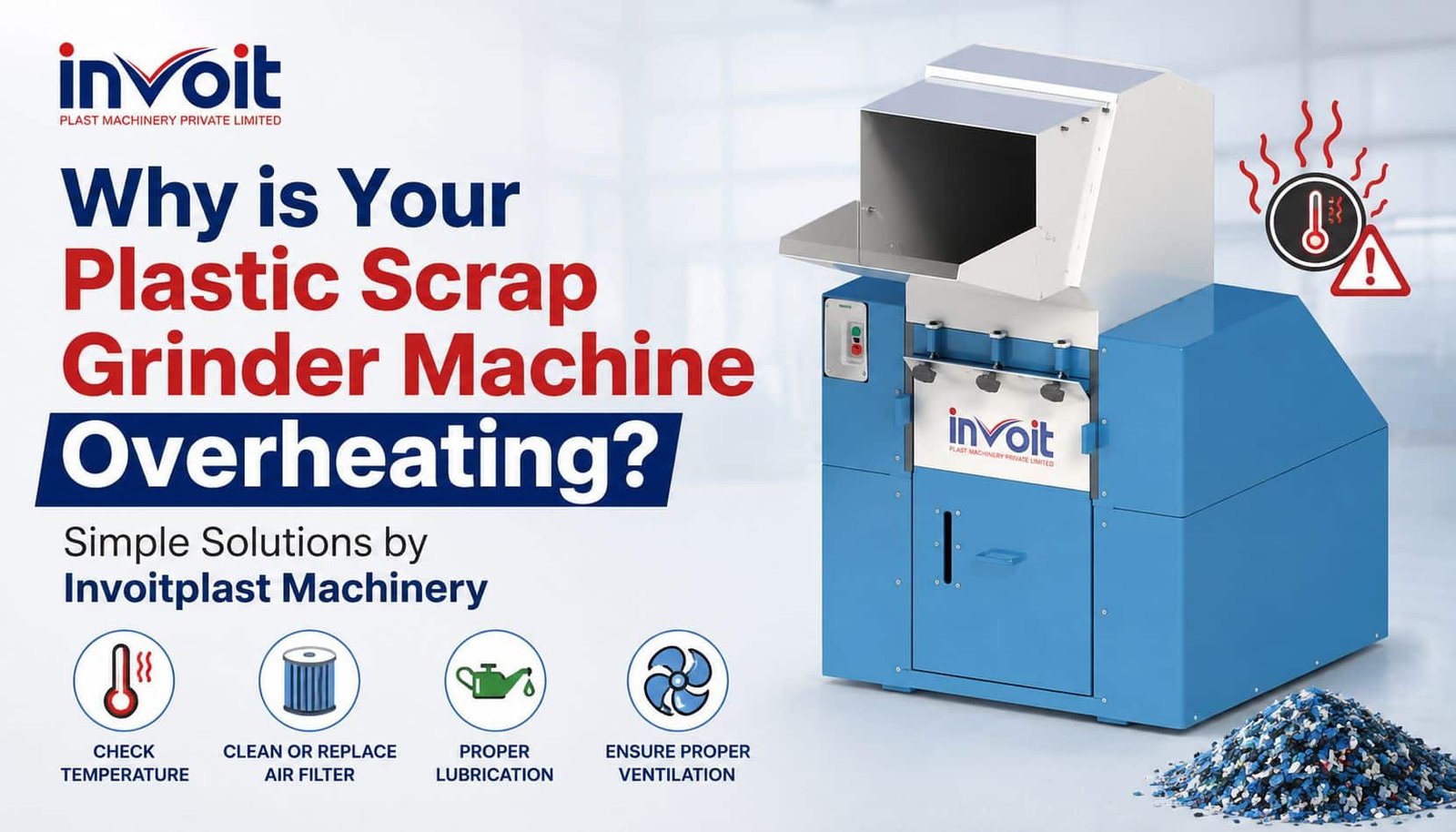
Walk onto any active recycling factory floor, and you quickly learn the sounds and smells of normal production. But there is one specific smell that makes every plant manager stop in their tracks: the sharp, bitter scent of melting plastic.
When this happens, you already know the culprit. Your Plastic Scrap Grinder Machine is overheating.
Overheating is one of the most common—and most frustrating—problems faced in the plastic recycling industry. It forces you to halt production, wastes valuable man-hours, damages the quality of your regrind, and can even pose a severe fire hazard. When a machine runs too hot, the plastic scrap inside the cutting chamber begins to melt and stick to the blades rather than being cut clean. This creates a chain reaction of jams, motor strain, and costly downtime.
But why does this happen? And more importantly, how can you stop it?
At Invoitplast Machinery, we have spent years studying factory floor operations. We know that a reliable Plastic Grinder Machine is the beating heart of your recycling business. In this guide, we are going to explore the simple, real-world reasons why your machine is running hot, and provide easy, actionable solutions to fix it.
The Hidden Costs of Ignoring the Heat
Before we look at the solutions, it is important to understand why overheating is a red flag that you cannot afford to ignore.
Many operators notice the machine getting unusually hot but decide to push through to finish a batch. This is a costly mistake. When an industrial Scrap Grinder Machine operates above its safe temperature limit, several things go wrong:
- Material Degradation: Plastic is sensitive to heat. If the grinder is too hot, the edges of your plastic flakes will melt and curl. This lowers the quality of your output, making it harder to sell or reuse in molding machines.
- Motor Burnout: Heat is the ultimate enemy of electric motors. Continuous overheating forces the motor to draw more current, eventually melting the internal wiring and causing a complete failure.
- Premature Wear and Tear: Metal expands when heated. The careful gaps set between your cutting blades can warp, leading to violent vibrations and permanent damage to the machine's core structure.
Fixing an overheating issue is not just about machine maintenance; it is about protecting your profit margins. Let us look at the most common causes and how to fix them.
Reason 1: Dull or Damaged Cutting Blades
The Factory Floor Reality: The primary job of your machine is to cut, slice, and shear tough plastic waste. To do this efficiently, the blades must be razor-sharp. Over time, processing hard plastics, dirty scrap, or accidental metal pieces will dull the blades.
When the blades are dull, they no longer cut the plastic. Instead, they smash, crush, and tear it. Smashing requires significantly more energy than slicing. This massive increase in friction generates an enormous amount of heat inside the cutting chamber, which quickly spreads to the rest of the machine.
The Simple Solution:
- Listen to your machine: A machine with dull blades sounds different. It will sound like it is struggling, with a deeper, heavier "thudding" noise rather than a crisp cutting sound.
- Regular Sharpening Schedule: Do not wait for the machine to overheat before checking the blades. Establish a strict, calendar-based routine to inspect, sharpen, or replace the blades.
- Check the Gap: Ensure that the gap between the moving blades (rotor) and stationary blades (stator) is set correctly. If the gap is too wide, the plastic bends instead of cutting, causing friction.
Reason 2: Overfeeding the Machine
The Factory Floor Reality: Operators are human. Sometimes, in a rush to hit daily production targets, an operator might dump a massive load of raw material into the hopper all at once.
While it might seem like a time-saver, overfeeding is a primary cause of overheating. When too much plastic enters the chamber at the same time, the rotor gets choked. The motor has to fight incredibly hard to push the blades through the dense pile of scrap. This sudden, heavy load causes the motor to heat up rapidly, and the friction of the jammed plastic creates localized heat inside the chamber.
The Simple Solution:
- Train Your Operators: Education is your best defense. Teach your team that slow, steady feeding actually results in higher daily output because the machine never has to stop for cooling or un-jamming.
- Automated Feeding Systems: If operator feeding is inconsistent, consider adding a simple conveyor belt system. A conveyor provides a steady, measured flow of material, keeping the machine running at its optimal rhythm without choking.
Reason 3: Choosing the Wrong Screen Size
The Factory Floor Reality: At the bottom of your Plastic Scrap Grinder Machine, there is a metal screen with holes. The plastic scraps bounce around the cutting blades until they are chopped small enough to fall through these holes.
If you are trying to process thick, heavy plastics but you are using a screen with very tiny holes, you are creating a "pinball effect." The plastic gets trapped inside the chamber, bouncing off the walls and blades over and over again because it cannot easily escape. The longer the material stays trapped inside the spinning rotor, the more friction it creates, leading directly to severe overheating.
The Simple Solution:
- Match the Screen to the Material: Always use the appropriate screen size for the type of scrap you are processing. If you are doing a rough primary grind of large lumps, use a large screen. You can always grind it a second time for a finer finish.
- Inspect for Blockages: Sometimes the screen holes get blocked by melted plastic or sticky labels. Clean the screen daily to ensure the cut plastic can exit the machine freely.
Reason 4: Poor Airflow and Dusty Environments
The Factory Floor Reality: Plastic recycling is a dusty business. Over weeks and months of operation, a fine layer of plastic dust settles over everything in the factory.
Your machine's motor relies on cooling fins and a built-in fan to blow away the heat it generates. If these cooling fins get caked in thick dust, dirt, or grease, they act like a warm winter blanket. The heat cannot escape into the air, and the motor slowly bakes itself from the inside out. Furthermore, if the machine is pushed tight against a factory wall, there is simply no fresh air available for it to breathe.
The Simple Solution:
- Give the Machine Space: Ensure there is a clear, open space around the entire machine, especially near the motor housing.
- Daily Dusting: Make it a daily habit to use compressed air to blow the dust off the motor fins and electrical panels. A clean machine runs cool.
- Ventilation: Ensure your factory floor has adequate airflow. If the ambient temperature of your factory is incredibly high, the machine has no way to cool itself down.
Reason 5: Neglected Bearings and Lubrication
The Factory Floor Reality: The heavy steel rotor inside your Scrap Grinder Machine spins at high speeds. It is supported on either end by heavy-duty bearings.
If these bearings are not lubricated properly, metal rubs against metal. This lack of grease creates intense friction, and the heat travels straight from the bearing housings directly into the cutting chamber and the motor. Dry bearings will eventually seize up entirely, snapping belts or destroying the motor.
The Simple Solution:
- Follow the Greasing Schedule: Lubrication is not a "when we have time" task. It is mandatory. Grease the main rotor bearings according to the manufacturer's guidelines.
- Use the Right Grease: Industrial machines require high-temperature, heavy-duty grease. Do not use cheap or incorrect lubricants that will melt away when the machine gets warm.
How to Stop Overheating Before It Starts: A Daily Checklist
The secret to a highly profitable recycling plant is preventative maintenance. Waiting for the machine to smoke is too late. By implementing a simple, five-minute daily checklist, your operators can ensure the machine runs cool and efficiently all day long.
- The Visual Check: Are the motor fins clean of dust? Is the floor area around the machine clear of debris?
- The Blade Check: Are the blades visibly sharp? Is the gap set correctly? Are the bolts holding the blades tightly fastened?
- The Screen Check: Pull out the bottom screen. Are the holes clear, or are they clogged with melted plastic? Clean it before starting the shift.
- The Sound Check: Run the machine empty for one minute. Does it sound smooth? Any grinding, squeaking, or heavy vibrations mean you need to stop and investigate.
- The Heat Check: After the first hour of operation, safely hold your hand near (not on) the motor and bearing housings. If you feel intense, radiating heat, stop the feed and check for issues.
Why Choosing the Right Plastic Scrap Grinder Machine Manufacturer Matters
While good maintenance practices can solve most overheating problems, the foundation of a cool-running operation starts with the machine's design.
Not all machines are built the same. If a machine is poorly engineered, features weak motors, or lacks proper ventilation design, it will overheat no matter how well you maintain it. When investing in capital equipment, partnering with a trusted Plastic Scrap Grinder Machine Manufacturer makes all the difference.
A well-designed machine accounts for real-world factory conditions. It features heavy-duty bearings placed outside the cutting chamber to protect them from dust and heat. It includes robust, oversized motors that do not have to strain to process heavy loads. The cutting chamber is engineered with optimal angles to ensure the plastic is sliced cleanly rather than crushed, naturally reducing friction.
Establish Trust with Quality Engineering
At Invoitplast Machinery, we take immense pride in being recognized as a leading Plastic Scrap Grinder Machine Manufacturer in India. We understand the daily challenges that recycling plant owners face.
We design our machinery with the operator in mind. By focusing on heavy-duty construction, intelligent airflow design, and easily accessible maintenance points, we build machines that work with your team, not against them. When a machine is easy to clean, easy to grease, and easy to sharpen, operators are much more likely to do the maintenance required to prevent overheating.
Our goal is to help you maximize your production output while minimizing your downtime. We believe that an educated customer is our best partner, which is why we focus on sharing practical, factory-tested knowledge to help you succeed.
Keep Your Production Moving
Overheating does not have to be an accepted part of your daily routine. By keeping your blades sharp, controlling your material feed, cleaning your screens, and maintaining proper lubrication, you can completely eliminate this issue from your factory floor.
Remember, an efficient recycling plant relies on continuous, reliable operation. Treat your machinery well, and it will reward you with high-quality output and a long, profitable lifespan.
If you are struggling with outdated equipment that constantly overheats, or if you are looking to expand your recycling capacity with reliable, heavy-duty machinery, it might be time for an upgrade.
Reach out to Invoitplast Machinery today. Let our team of experts help you find the perfect, cool-running solution for your specific plastic recycling needs.