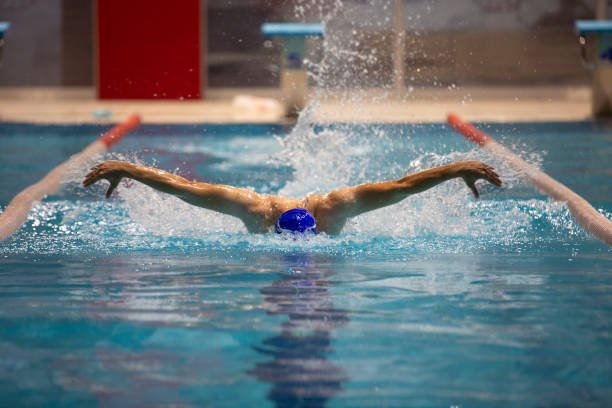
Swimming can be a fun and healthy activity. However, for many teens, staying excited about the sport becomes increasingly difficult as they grow older. As they move through school, the demands on their time grow. This includes homework, friendships, hobbies, and sometimes jobs. Over time, swimming may start to feel like one more task instead of something they enjoy.
Many swim teams in LA have noticed this trend. While young swimmers start with a lot of energy, keeping teens interested requires more effort. Motivation is not just about swimming fast. It's also about feeling supported and enjoying the experience.
The Emotional Up-and-Downs Teens Experience with Swim Teams in LA
Feelings often change quickly during the teen years. One day, a swimmer might feel great. The next day, they may feel unsure or tired. This kind of emotional swing is very common. It can affect how much effort teens want to put into swimming. They might feel nervous before races or upset if they don't meet their goals. It helps when adults understand that teen swimmers need support, not just instructions. Encouraging words and a friendly team atmosphere go a long way in helping teens stay focused.
When Practice Feels More Like Pressure
Long practices can be tiring. When every workout looks the same, swimmers might get bored. Teens usually enjoy variety. They like new challenges, different drills, and fun sets. Doing the same thing every day makes it harder to stay excited.
Additionally, if coaches only focus on winning or times, teens may feel like they aren't good enough. Motivation grows when they are praised for effort, not just for being the fastest. Changing up practice helps keep them motivated and happy in the water.
Balancing Commitments Without Losing Passion
Busy schedules can make swimming more stressful. Teens often have school, exams, and family plans. Sometimes, they also take extra swimming lessons in Los Angeles CA, to improve their technique. These extra lessons help, but also add to their already full days.
To stay motivated, teens need time to rest and recover. Teams that offer flexible practice times or shorter sets during exam weeks help swimmers maintain a balanced schedule. When swimming fits better into their lives, it becomes something they look forward to—not something they dread.
Recognition and Progress Go Hand-in-Hand
Everyone likes to be noticed for their hard work. Teens are no different. Even small improvements can make a big difference. Learning a better stroke or swimming a set without stopping are things worth celebrating.
When coaches and teammates say "good job," it gives teens a big boost. It tells them that their effort matters. That's why cheering for others during practice is so helpful—it makes swimmers feel proud and supported.
"Motivation grows when effort is seen, not only results."
Peer Influence Can Lift or Lower Motivation
Friends at the pool can either help or hurt a swimmer's motivation. A kind word from a teammate can make a tough practice feel easier. But when swimmers feel left out or compared, it's hard to stay positive. That's why teams need to be kind and respectful to one another.
On many swim teams in LA, strong friendships play a big role in keeping teens involved. Teams that engage in group activities or support one another during meets create a space where swimmers feel a sense of belonging. This makes every practice more enjoyable.
Role Models Matter More Than Ever
Watching others can be a great way to stay inspired. Teens often look up to the people they admire, especially those who work hard and remain kind. Older teammates and good coaches demonstrate to younger swimmers how to behave both in and out of the water. They lead by example.
At BLAST Swim Team, coaches help teens set clear goals and encourage them at every step. Instead of focusing only on medals, they help swimmers stay focused, calm, and steady—even when it gets tough. This support helps teens stay motivated over time.
The Growing Competition Around Every Corner
Swimming becomes increasingly competitive as teens mature. Swimmers in big cities often compete against athletes who have years of training behind them. In this fast-moving environment, swim teams in LA often feel the pressure. Teens may worry about not being fast enough, even when they are improving.
Swimmers need to focus on their own progress. Personal bests matter more than winning. When swimmers set their own goals and see themselves improve, they build confidence. That confidence keeps them swimming, no matter what others are doing.
Tracking Progress with Purpose
Writing down improvements helps swimmers see how far they've come. Teens feel better when they can look back and see growth.
Here's how tracking helps them stay focused:
Teens stay excited when they know they are making progress—even if it's just a little.
The Role of Rewards and Incentives
Small rewards go a long way. Teens like to be noticed for doing well—not just in races but also in practice. Rewards don't have to cost anything. A "Swimmer of the Day" title, a team cheer, or a fun warm-up can make swimmers feel appreciated.
They also enjoy chances to lead or help with younger groups. These moments show that their presence matters. Rewards based on effort, not just speed, encourage swimmers to persevere, even when the races become tough.
Motivation Isn't One-Size-Fits-All
Each teen swimmer is unique. Some get motivated by races, while others like learning new skills. Some enjoy being around friends, while others need quiet time. Because of this, coaches and teams should get to know what each swimmer enjoys. When teens feel understood, they are more likely to stay committed.
Listening to swimmers and helping them meet their own goals makes a big difference. Teams that care about more than just fast times keep their swimmers longer—and help them grow stronger in many ways. BLAST Swim Team supports teen swimmers by offering fun training, helpful coaching, and strong teamwork. They focus on skills, confidence, and steady growth—so swimmers stay happy, healthy, and motivated all season long.
Tags : swim teams