Why Do Mental Health Professionals Deserve Industry-Level Recognition More Than Ever?
By Fluxx events 10-02-2026 180
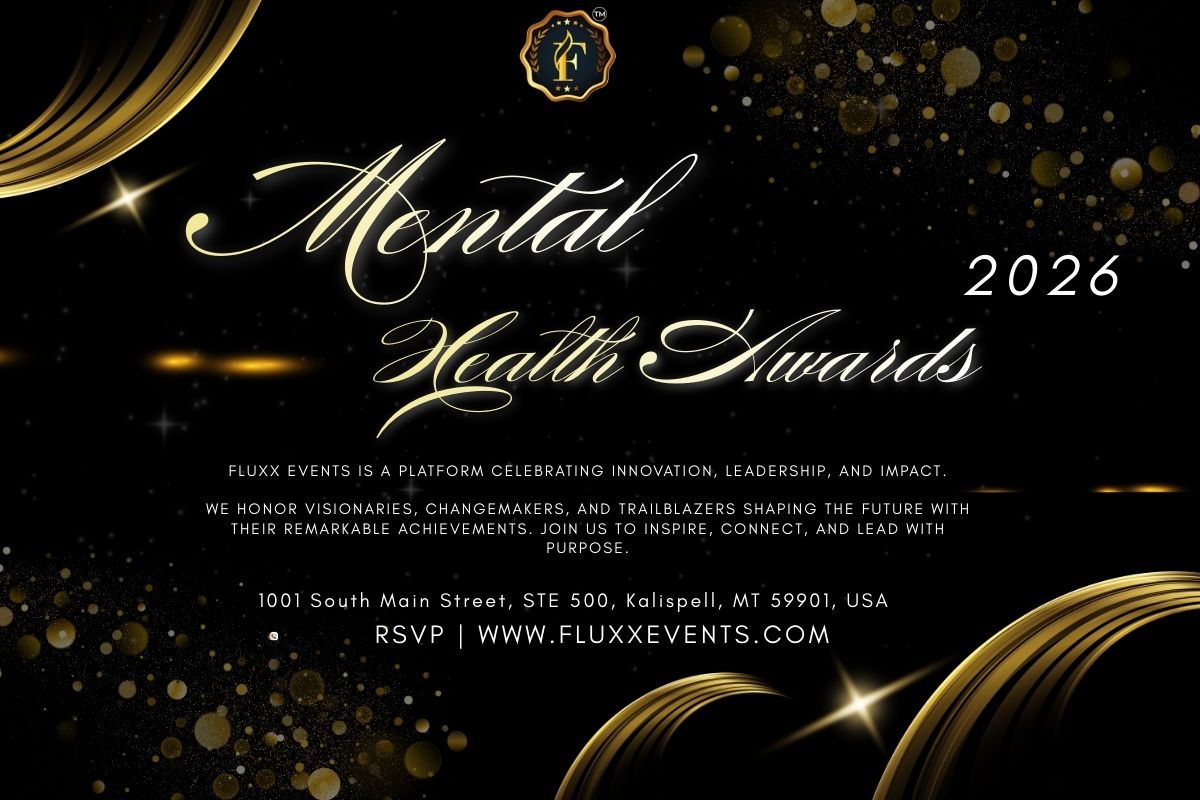
The quiet work of mental health professionals has never been more visible—yet it still remains under-recognized. In clinics, schools, corporate offices, and digital therapy platforms, psychologists, counselors, and therapists are shaping emotional resilience in ways that directly impact workplaces, economies, and communities. As the global conversation around mental well-being matures, the need to formally recognize these professionals at an industry level has become urgent rather than optional.
The Expanding Scope of Mental Health Work
Mental health care has evolved far beyond traditional therapy sessions. Today’s professionals are crisis responders, corporate consultants, educators, and advocates. They help organizations reduce burnout, improve productivity, and create psychologically safe environments. In high-pressure industries, access to mental health support can be the difference between employee retention and mass attrition.
Despite this impact, recognition systems across industries often overlook mental health professionals. While marketing, technology, and sales sectors celebrate innovation through structured awards and public acknowledgment, mental health contributions frequently remain behind the scenes. Formal platforms such as Mental Health Awards 2026 can bridge this gap by spotlighting excellence, innovation, and measurable outcomes in the field.
Recognition Drives Standards and Innovation
Industry-level recognition is not just ceremonial—it sets benchmarks. Awards and honors create standards of excellence that professionals and organizations strive to meet. When mental health practitioners are acknowledged for innovative therapeutic models, community outreach, or workplace well-being programs, the entire field benefits.
For example, recognition similar to a Best Mentor Award in corporate settings can be transformative within mental health communities. Senior therapists and supervisors often mentor younger professionals through emotionally demanding work environments. Formal acknowledgment of mentorship encourages knowledge transfer, ethical practice, and professional resilience—critical elements in a field with high burnout rates.
Recognition also drives research and innovation. When mental health initiatives receive visibility and validation, funding bodies and organizations are more likely to invest in evidence-based programs. This leads to better tools, improved patient outcomes, and scalable solutions for broader populations.
The Corporate Sector’s Growing Dependence on Mental Health Expertise
Corporate wellness programs have expanded rapidly, integrating mental health support into employee benefits. Businesses increasingly rely on psychologists and counselors to design training programs, conduct workshops, and provide strategic guidance on workplace well-being. In this context, mental health professionals are not peripheral contributors—they are strategic partners.
The business world already celebrates achievements through structured platforms like b2b marketing awards, which highlight innovation and measurable results. A comparable framework for mental health professionals would reinforce their role as essential contributors to organizational success. Recognition at this level communicates that mental well-being is not a secondary concern but a core component of sustainable business strategy.
Moreover, industry-level acknowledgment helps normalize mental health conversations within corporate culture. When companies publicly celebrate the professionals who support their workforce, it sends a strong message: mental health is integral to performance, leadership, and long-term growth.
Addressing Burnout Within the Profession
Ironically, mental health professionals themselves face high levels of emotional fatigue and burnout. Continuous exposure to trauma, crisis intervention, and emotionally intense work can take a toll. Recognition serves as a powerful morale booster, reinforcing the value of their efforts and encouraging long-term commitment to the field.
Awards, public acknowledgment, and professional milestones create a sense of community and belonging. They also help attract new talent to the profession. As demand for mental health services rises globally, the field must compete with other industries for skilled professionals. Visible recognition programs signal that this work is respected, valued, and worthy of celebration.
Building Public Trust and Awareness
Recognition also strengthens public trust. When mental health professionals are honored through credible platforms, it increases awareness of evidence-based practices and qualified experts. This visibility helps individuals and organizations identify trusted practitioners and encourages more people to seek support without stigma.
Public recognition initiatives, including events like mental health awards 2026, play a critical role in shaping perception. They highlight success stories, innovative approaches, and measurable impact, reinforcing the legitimacy and importance of the profession. Over time, this contributes to a cultural shift where mental health care is viewed with the same respect as other essential services.
A Call for Structured Industry Recognition
As mental health becomes central to workplace productivity, educational success, and community resilience, structured recognition systems must evolve accordingly. Establishing industry-level awards, mentorship honors like the Best Mentor Award, and cross-industry acknowledgment similar to b2b marketing awards will help elevate the profession.
Recognition is not merely symbolic—it is strategic. It encourages excellence, attracts talent, fosters innovation, and strengthens public trust. Most importantly, it validates the essential work of professionals who dedicate their careers to improving the emotional and psychological well-being of others.
Mental health professionals have long supported individuals and organizations through invisible yet impactful work. Now, more than ever, it is time for industries to recognize their contributions with the visibility, respect, and structured acknowledgment they truly deserve.