Why Custom Monument Signs Matter for Baltimore Businesses Planning Long-Term Visibility
By zyran 30-03-2026 185
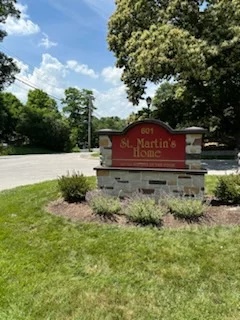
When a business invests in exterior signage, the first instinct is often to focus on what hangs above the entrance: channel letters, illuminated storefront signs, or temporary banners. But for many commercial properties, the most durable branding decision happens several feet away from the building itself—at the edge of the road, near the entrance, or integrated into landscape design.
That is where custom monument signs become one of the most practical long-term investments.
In a city like Baltimore, where architecture varies block by block and many businesses compete for roadside visibility, monument signage often does more than identify a location. It creates an immediate impression of permanence, accessibility, and trust before a customer ever reaches the front door.
Why Monument Signs Continue to Outperform Temporary Exterior Branding
Unlike wall-mounted signage, monument signs operate at driver eye level. That matters in urban corridors, mixed-use developments, medical campuses, and business parks where visitors often need confirmation that they are entering the right property before turning into a lot or slowing traffic.
For businesses located on high-traffic roads, a sign placed too high can be missed entirely. Monument signs solve that by meeting viewers at the line of sight they naturally follow while driving.
This is especially relevant in neighborhoods where older buildings sit close to sidewalks or where storefronts are partially obscured by trees, parked vehicles, or neighboring structures.
A well-designed monument sign typically serves several purposes at once:
- It identifies the property from a distance
- It supports navigation for first-time visitors
- It reinforces brand credibility
- It remains visible year-round with minimal maintenance
For organizations such as clinics, schools, apartment communities, and professional offices, these practical benefits often outweigh the cost of more decorative signage options.
Why Material Choice Matters More Than Many Owners Expect
One of the most common mistakes property owners make is choosing monument sign materials based only on appearance.
In reality, weather exposure, maintenance cycles, and long-term durability matter more than initial aesthetics.
In coastal-influenced regions like Maryland, moisture resistance becomes especially important. Materials commonly used in monument signage include:
- Masonry with brick or stone veneer
- High-density foam with textured finishes
- Aluminum structures with powder coating
- Acrylic or routed composite panels
Brick and stone often work well in historic districts because they visually connect with surrounding architecture. Composite materials, however, can reduce cost while maintaining similar visual impact.
The right choice depends heavily on whether the sign must match an existing building façade, satisfy zoning requirements, or accommodate illumination.
Baltimore’s Local Design Context Shapes Sign Decisions
Businesses in Baltimore often face a different signage challenge than businesses in suburban developments.
A monument sign that works in a suburban retail center may feel oversized or visually disconnected in a dense neighborhood corridor. In older districts, scale becomes critical.
A sign that is too modern can clash with surrounding brick architecture. A sign that is too decorative can feel dated quickly.
This is why many local planners now recommend designing monument signage as part of site identity rather than treating it as a separate branding element.
That means considering:
- Landscape integration
- Pedestrian visibility
- Vehicle approach angles
- Lighting spillover
- Municipal code limitations
These details influence whether a sign feels intentional or simply installed.
When Illumination Is Worth the Added Cost
Not every monument sign needs internal lighting.
For businesses operating primarily during daylight hours, reflective materials or subtle external lighting may perform just as well.
But for healthcare, hospitality, and multi-tenant commercial properties, evening visibility becomes essential.
The decision usually depends on:
- Road speed near the property
- Existing street lighting
- Hours of operation
- Safety concerns for visitors
Low-voltage LED illumination has become the preferred solution because it reduces maintenance compared with older fluorescent systems.
Choosing a Vendor: Why Design Process Matters More Than Portfolio Photos
Many business owners compare sign vendors only by looking at finished photos.
That often misses the more important question: how well does the provider manage permits, engineering requirements, and local fabrication constraints?
A monument sign project often involves:
- Site measurements
- Municipal approval
- Structural calculations
- Material fabrication
- Installation coordination
For businesses researching monument signs for business, reviewing a provider’s process is often more useful than comparing only design galleries. One example resource businesses often review when evaluating local options for monument signs is a professional signage provider serving commercial exterior projects in the region.
Why Monument Signs Often Last Longer Than Branding Trends
A storefront sign may change every few years during rebranding.
A monument sign usually stays much longer.
That makes neutrality important.
Signs that rely too heavily on trend-driven fonts, colors, or decorative effects often age poorly.
The strongest monument designs usually focus on:
- Clean typography
- Balanced proportion
- Durable contrast
- Materials that age naturally
A sign should still look credible ten years later—even if branding evolves.
The Long-Term Financial Value Often Appears Slowly
Businesses sometimes hesitate because monument signage has a higher initial cost than wall graphics or panel signs.
But viewed over ten or fifteen years, monument signs often become the lower-cost option because they require fewer replacements and maintain property identity continuously.
For commercial landlords, they also improve tenant visibility without requiring each tenant to solve roadside branding individually.
That is one reason monument signs remain common in:
- Medical office campuses
- Financial institutions
- Schools
- Industrial parks
- Residential developments
Final Thought
In many cases, the most effective sign is not the loudest one.
It is the one that becomes part of how people remember a place.
In a city shaped by neighborhood identity and architectural character like Baltimore, monument signage works best when it respects both visibility and context.