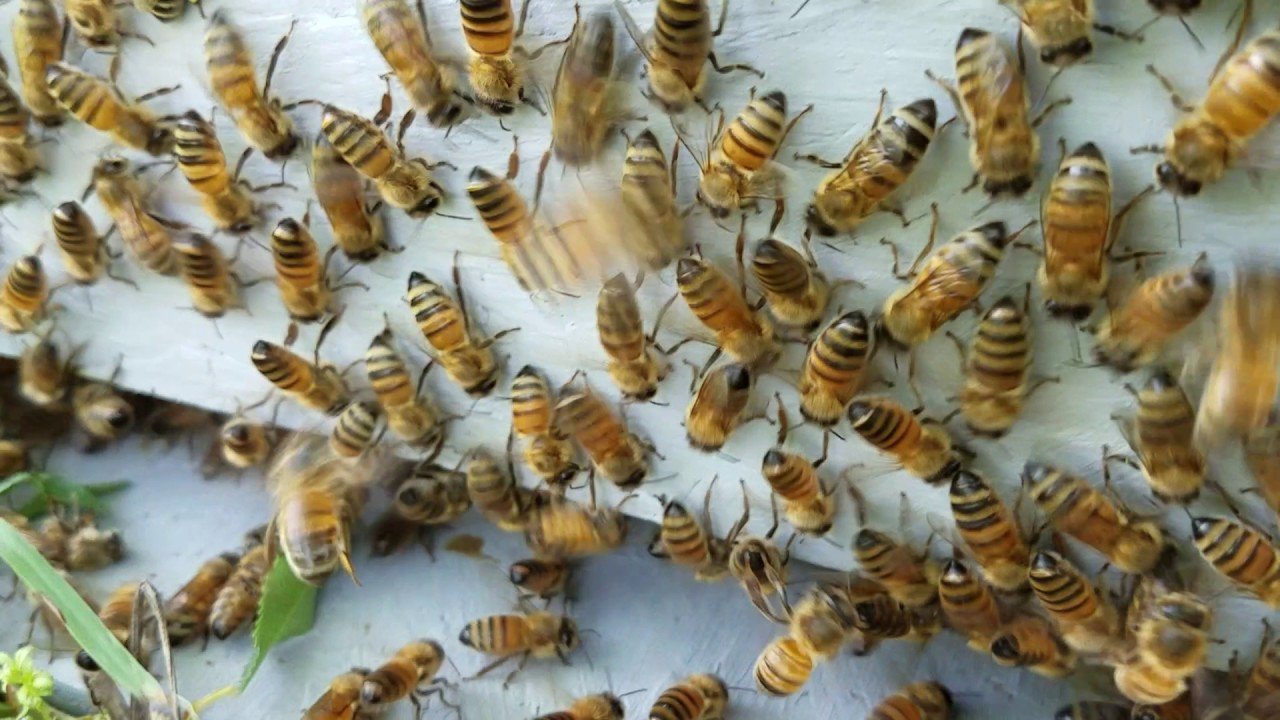
Homeowners often wonder why bees seem attracted to particular areas while avoiding others altogether. The truth lies in how certain patio materials naturally deter bees by influencing texture, color, and surface temperature. Bees are instinctively drawn toward spaces that feel suitable for nesting, offering crevices, warmth, and accessibility. However, patios made of smooth, reflective, or heat-retaining surfaces tend to discourage bees from settling nearby.
Stone, concrete, and composite surfaces remain unfavorable because they provide fewer nesting opportunities and create less hospitable microenvironments. These materials lack the organic textures and cavities bees prefer when establishing colonies, which explains their deterrent qualities. Additionally, certain patio materials often generate slightly higher surface temperatures under direct sunlight, making them uncomfortable environments for prolonged bee presence. Bees thrive in areas with balance and shelter, so heat-retentive surfaces create unsuitable conditions.
For homeowners planning patio upgrades, understanding why bees avoid certain patio materials provides a valuable foundation for design decisions. With careful planning, materials can serve both aesthetic and functional purposes, discouraging infestations while maintaining outdoor elegance. Choosing wisely allows you to enjoy a comfortable, bee-minimized environment without resorting to constant intervention or chemical deterrents.
Patio Materials Deter Bees
Bees naturally search for spaces that feel safe, insulated, and hidden from larger environmental threats. Patios constructed with porous woods or soft, untreated timbers may inadvertently provide exactly the conditions bees prefer. In contrast, certain patio materials like polished stone, sealed pavers, and reinforced concrete do not create similar welcoming environments. Their durability and lack of accessible nesting cavities reduce the likelihood of bees establishing colonies nearby.
Composite decking represents another excellent example of how man-made innovations discourage unwanted bee habitation. Unlike natural wood, composites resist rot, mold, and weathering while leaving no soft fibers for burrowing. Bees often rely on cracks, hollows, or softened edges when beginning nest-building, yet these opportunities disappear with engineered surfaces. Therefore, certain patio materials serve as preventive measures before a bee population becomes difficult to manage.
Additionally, color tones influence bee behavior significantly, especially since bees perceive specific spectrums differently than humans. Brighter hues and reflective finishes often confuse their navigation patterns, whereas darker, muted materials may seem more inviting. By selecting light-colored patio stones or coated finishes, homeowners create subtle yet effective barriers against bee attraction. Using such strategies prevents patio areas from becoming accidental hives while maintaining aesthetic consistency within overall outdoor design.
Integrating these factors during construction demonstrates how thoughtful selection of certain patio materials provides a dual function. They support structural durability while simultaneously deterring unwanted bee activity, offering homeowners greater peace of mind and comfort.
Strategic Patio Material Protection
When designing outdoor spaces, preventing bees from nesting should be approached through proactive, sustainable solutions. Rather than relying solely on temporary sprays or repellents, homeowners benefit most by considering the properties of certain patio materials. Using the right combination of concrete, stone, or engineered decking establishes an environment that discourages colonies before they even appear.
For instance, stone patios remain particularly effective because their dense surfaces offer minimal gaps, cracks, or wooden textures attractive to bees. When stones are tightly sealed, they eliminate micro-spaces that could otherwise encourage early colony formation. Similarly, stamped or sealed concrete replicates decorative aesthetics while maintaining surfaces resistant to bee burrowing. Bees simply cannot penetrate or adapt to these smooth, durable materials as they can with untreated organic alternatives.
Composite decking further enhances long-term protection by combining synthetic durability with visual appeal. Since it avoids weathering and cracking, it prevents bees from locating vulnerable points for nesting. This material provides a seamless blend of modern aesthetics with practical deterrence, ensuring both functionality and comfort. When paired with periodic maintenance, it can significantly extend the life of outdoor living spaces without the challenges of infestation.
In situations where bees have already begun nesting, professional guidance becomes essential. Homeowners in California, for example, often rely on trusted services like bee removal service in San Marcos to ensure colonies are relocated safely. Such expertise pairs well with preventative strategies using certain patio materials, offering a comprehensive approach that addresses both existing problems and long-term deterrence. Combining professional removal with durable material selection ensures patios remain safe, functional, and bee-free for years to come.
Patio Material Lifestyle Benefits
Selecting certain patio materials offers more than just practical protection against bees; it also enhances environmental responsibility and lifestyle quality. Homeowners choosing composites or recycled stone options actively reduce reliance on materials that may invite bees while supporting sustainability. Many of these materials are sourced from recycled components, reducing ecological strain while simultaneously deterring pests. This dual purpose makes material selection both environmentally conscious and practically advantageous.
Furthermore, the durability of stone, composite, and concrete ensures patios require less frequent repair or replacement. Less maintenance means reduced use of sealants, chemicals, or pesticides that might otherwise harm beneficial pollinators in surrounding gardens. In this way, choosing certain patio materials respects ecological balance by reducing human reliance on chemical repellents that negatively impact biodiversity.
For lifestyle advantages, homeowners enjoy outdoor spaces without constant worry about bees disrupting activities. Families can entertain guests, children can play freely, and relaxation remains uninterrupted when patios naturally deter colonies. The surfaces of certain patio materials also withstand heavy furniture, weather exposure, and high foot traffic, ensuring reliable long-term usability. Combining bee deterrence with practical functionality elevates both comfort and safety across outdoor living spaces.
Even aesthetically, these materials enhance visual appeal through textures, finishes, and colors that blend harmoniously with landscape designs. Concrete patios, for example, can be stamped, stained, or sealed to reflect individual style without compromising bee deterrence. Thus, environmental responsibility and lifestyle enjoyment align seamlessly when selecting certain patio materials for construction or renovation projects.
Designing Bee-Resistant Patios
Future-focused patio design emphasizes durability, sustainability, and pest resistance as central goals for homeowners. The growing awareness of how certain patio materials deter bees ensures designers prioritize both form and function in projects. Whether building from scratch or renovating an existing outdoor area, selecting materials with natural deterrent qualities enhances long-term usability.
Concrete remains a reliable favorite, adaptable for modern aesthetics while resisting weathering and bee intrusion. Stone surfaces likewise deliver timeless appeal while naturally discouraging nesting through their density and reflective properties. Meanwhile, composites continue advancing, offering even greater variety in textures and colors without compromising structural strength or deterrent benefits. Each of these options represents a future-ready investment that minimizes maintenance demands while ensuring outdoor comfort.
The importance of preventative design becomes especially clear when compared with reactive solutions. Constantly applying sprays or barriers introduces toxins that damage surrounding ecosystems, whereas certain patio materials achieve deterrence naturally. By planning effectively during construction, homeowners avoid recurring interventions while protecting both their property and local environment.
Ultimately, the future of patio design will continue emphasizing harmony between human needs and natural ecosystems. Through thoughtful selection of certain patio materials, homeowners protect themselves from unwanted infestations while preserving ecological balance. These durable, sustainable, and pest-resistant solutions ensure patios remain enjoyable gathering spaces that support comfort, style, and environmental responsibility for years to come.
Tags : bees bee activity