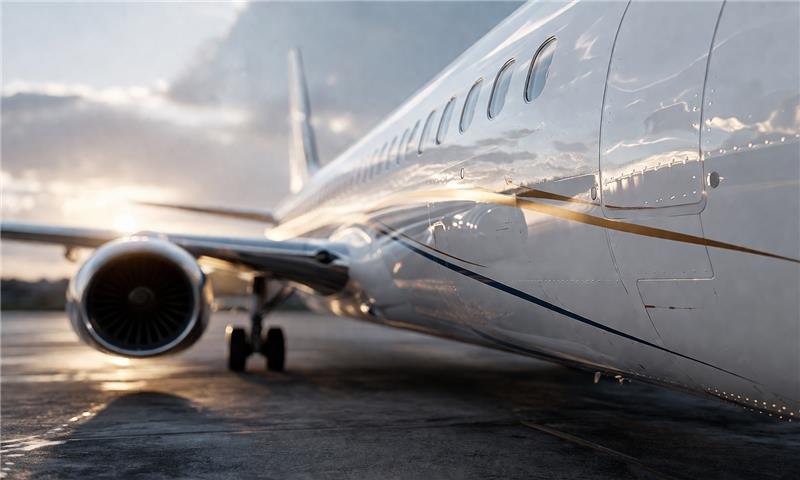
The aircraft paints and coatings market is an important part of the aviation industry as it guarantees the security, stability, and efficiency of aircraft. These coatings are not only used to enhance appearance but also provide a protective layer that shields aircraft surfaces from extreme environmental conditions such as ultraviolet radiation, corrosion, moisture, and temperature variations. With global aviation activity continuously growing, the demand for advanced coating solutions is also increasing.
According to MarkNtel Advisors, the aircraft paints and coatings market is experiencing steady growth driven by rising aircraft production, increasing air passenger traffic, and growing investments in both commercial and military aviation sectors.
Importance of Aircraft Paints and Coatings
Aircraft operate in highly demanding environments, exposed to rapid temperature changes, high-altitude radiation, and moisture condensation. Without protective coatings, aircraft surfaces would degrade quickly, leading to higher maintenance costs and reduced operational safety.
Modern aircraft coatings serve several key functions:
- Protection against corrosion and oxidation
- Reduction of surface drag to improve fuel efficiency
- Resistance to chemicals, UV rays, and harsh weather conditions
- Enhanced aesthetics and branding opportunities for airlines
These applications make coatings essential not only in aircraft manufacturing but also in maintenance, repair, and overhaul (MRO) operations.
Market Growth Drivers
1. Rising Aircraft Production
Growing air travel demand, especially in emerging economies, has increased the production of commercial aircraft. As airlines expand their fleets to accommodate rising passenger numbers, the demand for coatings continues to grow.
2. Growth of MRO Activities
Regular maintenance is essential for aircraft safety and performance. Repainting and recoating are critical components of MRO services, ensuring continuous demand throughout the aircraft lifecycle.
3. Defense Sector Modernization
Many countries are upgrading their Defense fleets with advanced fighter jets, transport aircraft, and surveillance planes. These aircraft require specialized coatings capable of withstanding extreme operational conditions.
4. Focus on Fuel Efficiency
Modern coatings are designed to reduce aircraft weight and surface drag, improving fuel efficiency. With rising fuel costs and environmental concerns, airlines are increasingly adopting advanced coating technologies.
Coating Technologies
Innovation is a key trend shaping the aircraft paints and coatings industry. Manufacturers are focusing on high-performance, environmentally friendly solutions that comply with strict environmental regulations.
- Water-based coatings gaining popularity due to lower volatile organic compound (VOC) emissions
- Polyurethane coatings widely used for durability and resistance
- Nano-coatings under development for thinner yet highly protective layers
- Powder coatings emerging as a greener alternative in certain applications
These advancements are driving the industry toward more sustainable and efficient coating systems.
Market Segmentation Overview
By Resin Type
- Polyurethane (dominant segment due to durability and flexibility)
- Epoxy (high adhesion and corrosion resistance)
- Acrylic and silicone-based coatings
By Application
- External finishes (primary protection and aerodynamic enhancement)
- Interior finishes (used in cabin surfaces and structural components)
By End Use
- Commercial aviation (largest segment due to global air traffic growth)
- Military aviation (high-performance coatings for defense aircraft)
- General aviation
Regional Market Insights
North America dominates the aircraft paints and coatings market due to the presence of leading aircraft manufacturers and strong defense spending. Europe follows closely, supported by advanced aerospace technologies and sustainability initiatives.
However, Asia-Pacific is expected to witness the highest growth. The region's expansion is driven by increasing air travel demand, rising disposable incomes, and rapid airline fleet expansion in countries such as India and China. Government investments in aviation infrastructure further support market growth.
Market Challenges
- Strict environmental regulations on coating chemical emissions
- Fluctuating raw material prices affecting production costs
- High research and development costs for advanced coatings
- Operational disruptions in aviation during global crises
These challenges may create short-term obstacles for manufacturers and suppliers in the industry.
Competitive Landscape
The aircraft paints and coatings market is highly competitive, with global players focusing on innovation and strategic partnerships. Companies are investing heavily in research and development to produce sustainable and high-performance coatings that meet regulatory and customer requirements.
Leading manufacturers are also expanding their global presence through collaborations with aircraft manufacturers and maintenance, repair, and overhaul (MRO) service providers.
Conclusion
As global aviation demand continues to rise, the aircraft paints and coatings market is expected to grow steadily. With increasing emphasis on fuel efficiency, sustainability, and long-term aircraft performance, advanced coating technologies are becoming more critical than ever.
As airlines and defense organizations continue modernizing their fleets, the demand for lightweight, durable, and environmentally friendly coatings will continue to drive market expansion in the coming years.