Heavy Cargo Logistics and Fleet Preservation Frameworks in Modern Transport Corridors
By Steve chuckles 30-05-2026 82
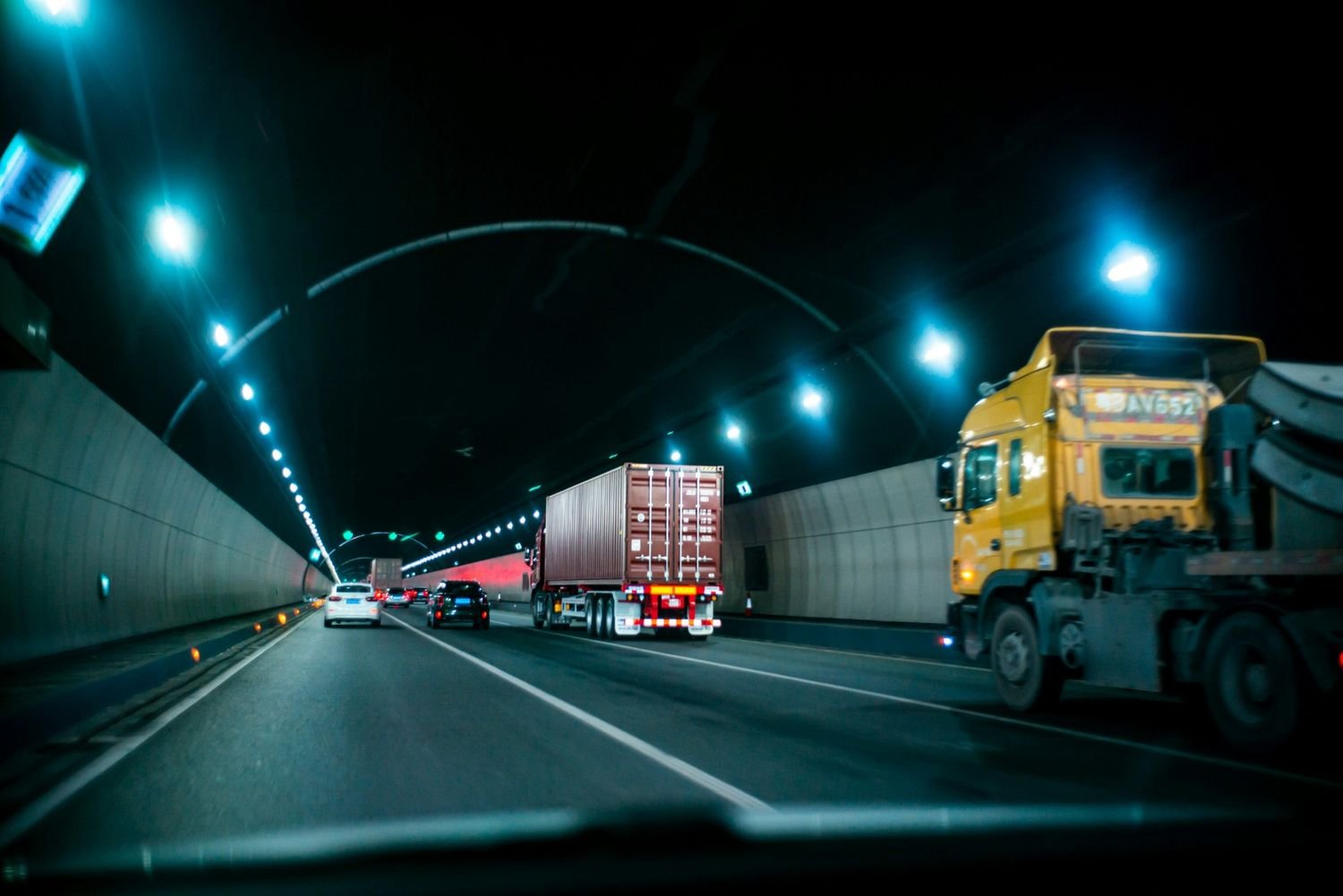
Heavy Cargo Logistics and Fleet Preservation Frameworks in Modern Transport Corridors
The velocity of global industrial supply chains in 2026 requires flawless synchronization between manufacturing hubs and freight distribution networks. With the implementation of automated scheduling and synchronized intermodal transport corridors, unexpected downtime has become an existential threat to corporate margins. A single obstructed lane on a major transit route can trigger an expensive cascading delay across multiple maritime ports and fulfillment centers.
Consequently, modern logistics directors have transformed how they view roadside anomalies and emergency technical interventions. Fleet management is no longer merely about managing fuel metrics and driving hours; it requires a comprehensive approach to unexpected mechanical immobilization. Having a pre-negotiated roadmap for heavy technical clearing ensures that an isolated vehicle failure does not jeopardize institutional delivery commitments.
To manage these operational variables effectively, organizations must partner with regional networks equipped with advanced hydraulic machinery and deep structural expertise. Integrating an authorized, heavy-capacity autoevakuators partner into standard contingency protocols allows for rapid response times during critical highway blockages. Sourcing technical equipment from certified regional experts guarantees that vehicles are moved without risking secondary damage to the chassis or onboard electronic components.
By prioritizing these specialized structural networks, logistics managers secure their operations against unexpected macro-environmental blockages. The modern approach to freight movement treats emergency resolution capabilities as an essential component of competitive enterprise infrastructure. Organizations that establish these technical partnerships early remain highly resilient amid shifting continental trade realities.
What is Heavy Vehicle Recovery and Why Pay Attention?
Heavy vehicle recovery is the highly specialized application of engineering principles, massive mechanical leverage, and coordinated logistics to clear disabled transport machinery. Unlike light consumer assistance, this specialized sector handles complex machinery such as articulated freight carriers, construction vehicles, and specialized industrial rigs. The operations demand precise calculations regarding center of gravity, load distribution, and hydraulic tensile strength.
Industrial stakeholders must pay close attention to this operational segment due to tightening regulatory environments surrounding trade corridors. Municipalities enforce strict time limits for clearing main thoroughfares, carrying severe penalties for prolonged blockages. Furthermore, the advent of high-voltage battery systems necessitates technical towing methodologies to avoid system failures.
Investing in a formalized understanding of these specialized asset networks also has a massive impact on corporate liability and asset preservation. A poorly managed recovery can twist a heavy commercial frame, rupture secure cargo containers, or cause permanent damage to intricate air-braking systems. By working with fully certified heavy-clearance networks, logistics coordinators protect their valuable physical assets while ensuring complete safety for recovery crews.
Ultimately, this sector functions as the silent guardian of modern commerce, maintaining clear routes under adverse conditions. Having verified technical data allows companies to make fast, calculated choices when an incident occurs. As cargo volumes grow globally, reliance on these highly engineered clearing systems will only increase.
Common Mistakes to Avoid Regarding Heavy Vehicle Recovery
- Deploying Insufficient Hydraulic Capabilities: Attempting to pull or lift a multi-ton commercial platform with under-powered consumer machinery causes extensive damage to the vehicle's structural frame.
- Miscalculating Gross Combination Mass Vectors: Disregarding the precise weight distribution of shifted cargo leads to system overloads and potential recovery equipment failure during lifting operations.
- Neglecting Specialized Recovery Configurations: Assuming any standard heavy tow vehicle can manage a complex industrial rig recovery often results in severe delays, particularly when a dedicated kravas evakuators setup is missing from the operational site.
- Failure to Secure Cargo Stability: Moving a compromised transport platform without verifying that the internal freight is anchored causes internal shifts that can tip the vehicle during transport.
- Disregarding Local Transit Clearances: Route planning for a disabled multi-axle machine without assessing low-clearance bridges leads to structural collisions and regulatory fines.
- Restricting Real-Time Telemetry Transfers: Withholding internal diagnostic codes and structural sensor data from the responding dispatch crew prevents them from preparing specialized tools before arrival.
Step-by-Step Guide: How to Effectively Use Heavy Vehicle Recovery Infrastructure
- Initiate Instant Onboard Telemetry Extraction: The moment an operational breakdown occurs, pull the full system diagnostic manifest and forward it directly to your technical recovery partner.
- Execute a Comprehensive Spatial Evaluation: Document the vehicle's exact physical orientation, the angle of the terrain, and any surrounding environmental risks using driver logs and camera arrays.
- Match Vehicle Classification to Recovery Equipment: Ensure the dispatch center deploys heavy machinery boasting the specific winch ratings and boom configurations needed for your exact vehicle footprint.
- Arrange Continuous Freight Management: When an incident involves delicate or highly valuable industrial cargo, a coordinated smago kravu transportesana plan must be initiated to safely transfer, protect, and deliver the freight without delay.
- Coordinate with Regional Traffic Management: Establish a synchronized perimeter with local law enforcement to shield the recovery technicians from active highway traffic during the rigging process.
- Conduct a Post-Incident Structural Inspection: Once the vehicle arrives at a certified maintenance hub, perform a full multi-point diagnostic to confirm the recovery process preserved the powertrain's integrity.
Best Practices and Expert Advice
Successful industrial asset management requires transitioning from a reactive emergency posture to a proactive model of incident prevention and mitigation. Logistics enterprises should never wait for a major highway failure to investigate regional recovery capabilities and hydraulic machinery options. Creating formalized, pre-arranged service contracts with verified operators ensures that your fleet receives top priority during regional weather anomalies or peak traffic blockages.
Technical directors strongly advocate for regular driver education regarding emergency mechanical decoupling. When a heavy tractor unit experiences a catastrophic engine failure, the operator's ability to quickly and safely isolate the loaded trailer can preserve thousands of euros in cargo value. This training should be backed by digital simulation modules to ensure rapid, safe execution under high-pressure real-world conditions.
Furthermore, always verify that your emergency partner utilizes synchronized proportional braking systems on all heavy transport assets. Towing massive commercial loads requires exceptional stability, especially when navigating steep elevation drops during adverse seasonal weather. Proper braking synchronization prevents dangerous jackknifing incidents, protecting the recovery crew, the corporate asset, and public commuters on the road.
It is also critical to maintain an instantly accessible, digital manifest of all freight classifications for emergency teams. If your vehicles carry specialized materials, sensitive electronics, or high-value machinery, the clearance crew must modify their approach to ensure proper handling and containment. Absolute transparency in cargo data guarantees that arriving units are equipped with the exact protective systems required for the job.
Finally, prioritize recovery partners who feature real-time geospatial fleet tracking within their operational dispatch systems. Knowing the exact location and updated arrival time of the recovery asset allows your logistics team to modify secondary warehouse schedules. This transparent flow of operational data preserves corporate reputation and minimizes secondary labor costs at the final delivery point.
Future Perspectives: Development Trends
Looking forward toward the 2028–2030 timeframe, the industrial recovery sector will see the rapid adoption of hydrogen-powered heavy recovery vehicles. As strict environmental directives phase out older diesel systems, the demand for clean, zero-emission recovery loops will reshape the heavy-duty machinery market. These advanced hydrogen systems will deliver the massive torque required for difficult extractions while aligning perfectly with corporate sustainability benchmarks.
We also anticipate the widespread use of autonomous situational drones for instant scene evaluation. Before a heavy clearance platform is dispatched from a regional depot, an automated drone will launch to capture high-definition, multi-spectral images of the incident scene. This instantaneous data stream allows technicians to analyze ground stability and vehicle angles with absolute certainty, ensuring the correct tools are sent the first time.
Another major trend is the integration of augmented reality technical guides for field operators. By using smart glass technology, recovery technicians can overlay precise mechanical schematics onto a damaged vehicle body, instantly locating safe attachment points and hidden high-voltage lines. This technical evolution will dramatically lower the time spent working in dangerous highway conditions, clearing vital trade paths faster than ever before.
Conclusion
The evolution of heavy vehicle recovery infrastructure in 2026 is an essential component of building resilient, forward-looking global supply chains. Moving away from uncoordinated, casual roadside assistance toward highly integrated, technical recovery frameworks guarantees that modern transit paths remain stable. The foundation of true operational continuity rests on choosing the right industrial partners before a crisis occurs on the road.
By utilizing advanced hydraulic engineering, real-time data integration, and specialized heavy fleet assets, logistics directors can insulate their organizations from costly transport delays. The current industrial climate demands absolute precision, safety, and unwavering compliance with transport regulations. Embracing these advanced recovery methodologies ensures your fleet remains a durable, reliable link in the global economic chain, no matter what challenges wait on the horizon.
Ultimately, this level of professional coordination improves the security and efficiency of the entire continental transit framework. When emergency clearing operations are handled with quiet, mechanical precision, the flow of commerce remains steady and unhindered.
Tags : .....