Which Indian Grocery Stores in Denmark Offer the Freshest Ingredients?
By Sps Foods DK 19-03-2026 270
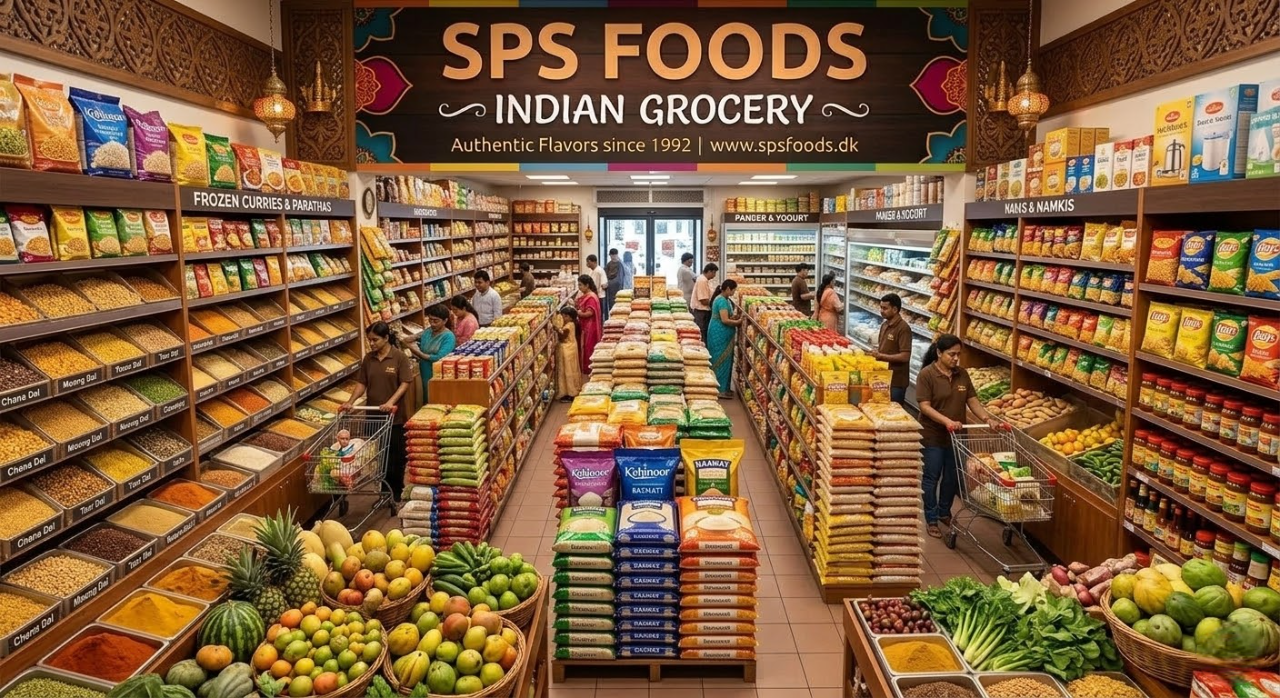
If you’ve ever tried cooking a proper Indian meal outside India, you’ll know the struggle isn’t the recipe—it’s the ingredients. Fresh curry leaves that still smell alive, coriander that hasn’t wilted by the time you get home, and spices that actually taste like something. In Denmark, finding all of that can feel like a bit of a treasure hunt. But it’s not impossible—you just need to know what to look for.
When people search for an indian grocery store denmark, freshness isn’t always the first thing that comes to mind. Most assume availability is the main issue. But once you start exploring, you’ll realize there’s a noticeable difference between stores that simply stock Indian items and those that truly care about quality.
One of the first things I’ve learned is to pay attention to turnover. Stores that are busy—especially on weekends—tend to have fresher produce. It sounds obvious, but it matters. High foot traffic usually means ingredients aren’t sitting on shelves for too long. You’ll see this clearly in the vegetable section. Okra should be firm, not soft. Green chilies should snap, not bend. Small details, but they tell you everything.
Another factor is sourcing. Some Indian grocery stores in Denmark import directly or restock frequently, especially when it comes to essentials like lentils, rice, and spices. Freshness here isn’t just about vegetables—it’s also about how aromatic your cumin is or whether your garam masala still has depth. If you open a spice packet and barely smell anything, it’s already lost its charm.
Then there’s the freezer section, which is often overlooked. Surprisingly, this is where you can find some of the freshest items—like frozen curry leaves or grated coconut—because they’re preserved at peak freshness. For many home cooks, these become reliable substitutes when fresh options aren’t available.
Location also plays a role. In cities like Copenhagen, the variety is naturally better. But even outside major cities, you’ll find smaller shops that take pride in what they offer. These places often have a more curated selection, and the owners are usually quite knowledgeable. Don’t hesitate to ask questions. In my experience, a quick conversation can lead to useful tips—like which day they receive fresh stock or what just came in that morning.
Cleanliness and organization are also subtle indicators. A well-maintained store often reflects how seriously the owners take their business. If the shelves are tidy and items are clearly labeled, chances are they’re equally attentive to product quality. It’s not a strict rule, but it’s a good sign.
Over time, you start recognizing patterns. Certain stores consistently deliver better produce, fresher herbs, and more reliable pantry staples. For example, Sps Food Dk has built a reputation among regular shoppers for maintaining a solid balance between variety and freshness. It’s not just about having everything—it’s about having things that are actually worth buying.
One thing worth mentioning is seasonality. Even imported produce can vary depending on the time of year. So if something doesn’t look great one week, it might be better the next. Being flexible helps. Sometimes you adjust your cooking based on what’s available rather than sticking rigidly to a recipe.
Price, interestingly, isn’t always a reliable indicator of freshness. You might assume higher prices mean better quality, but that’s not always the case. Some smaller stores offer fresher items at reasonable rates simply because they manage inventory more efficiently.
If you’re new to exploring an indian grocery store denmark, start small. Pick up a few basics—maybe some vegetables, a spice or two—and test them out. See how they perform in your cooking. Over time, you’ll develop a sense of which places align with your expectations.
At the end of the day, freshness is a mix of observation and experience. There’s no perfect formula, but once you tune into the details, it becomes much easier to spot the difference. And when you do find that store where everything just feels right, you’ll know—it shows up in every meal you cook.