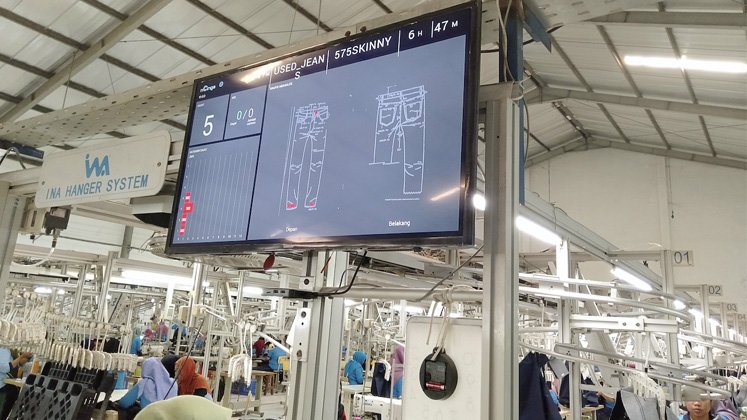
The garment manufacturing industry is changing rapidly as businesses look for smarter and faster ways to manage their operations. From handling large orders to maintaining quality and meeting tight deadlines, manufacturers face many challenges every day. To stay competitive, many companies are now turning to cloud-based IT solutions for garments manufacturing to adopt modern digital tools that streamline workflows and improve visibility across the supply chain. This shift toward cloud technology is helping manufacturers improve efficiency, reduce costs, and scale their operations with ease.
Understanding Cloud-Based IT Solutions
Cloud-based systems allow businesses to store data and run applications over the internet instead of relying on physical servers or local computers. This means manufacturers can access important information anytime and from anywhere. For garment manufacturers, this flexibility is especially useful because their operations often involve multiple locations, including factories, warehouses, and offices.
Unlike traditional systems, cloud platforms do not require heavy infrastructure or constant manual updates. Everything is managed online, making it easier for businesses to focus on production rather than IT maintenance.
Key Reasons Behind the Shift to Cloud
1. Improved Accessibility and Flexibility
One of the main reasons garment manufacturers are adopting cloud-based tools is the ability to access data in real time. Managers, supervisors, and even suppliers can check production status, inventory levels, and order details instantly. This helps in faster decision-making and better coordination across teams.
For example, if a production issue arises in one factory, the management team can quickly respond without waiting for reports or emails. This level of flexibility is difficult to achieve with traditional systems.
2. Cost Efficiency
Setting up and maintaining physical IT infrastructure can be expensive. It involves hardware costs, regular upgrades, and a dedicated IT team. Cloud solutions reduce these expenses by offering a subscription-based model. Businesses only pay for what they use, which is especially helpful for small and medium-sized manufacturers.
Additionally, cloud systems reduce the risk of data loss, which can otherwise lead to financial losses and operational delays.
3. Better Data Management and Security
Data plays a crucial role in garment manufacturing, from tracking raw materials to monitoring finished goods. Cloud platforms offer secure storage and advanced data management tools. They include features like automatic backups, encryption, and access control, which help protect sensitive information.
While some businesses worry about data safety in the cloud, modern systems are designed with strong security measures that are often better than traditional setups.
4. Scalability for Growing Businesses
As garment manufacturers grow, their operational needs also increase. Cloud systems make it easy to scale up or down based on business requirements. Whether it is handling more orders during peak seasons or expanding to new locations, cloud platforms can adapt quickly without major changes.
5. Enhanced Collaboration
Garment production involves multiple stakeholders, including designers, suppliers, production teams, and distributors. Cloud-based tools enable seamless collaboration by allowing everyone to work on the same platform.
For instance, designers can upload new patterns, production teams can access them instantly, and suppliers can adjust their materials accordingly. This helps minimize delays and boosts overall productivity.
6. Faster Implementation and Updates
Traditional software systems often take months to install and configure. In contrast, cloud solutions can be implemented quickly. Updates are also automatic, ensuring that businesses always use the latest features without manual intervention.
This saves time and reduces the burden on internal IT teams, allowing them to focus on more important tasks.
Role of Custom Software in Cloud Adoption
While cloud platforms offer many standard features, every garment manufacturer has unique needs. This is where custom software development for garments becomes important. Custom solutions are designed to match specific workflows, production processes, and business goals.
For example, a company may need a system that tracks fabric usage in detail or manages complex order variations. Custom cloud-based tools can handle such requirements more effectively than generic software.
By combining cloud technology with tailored solutions, manufacturers can achieve better control over their operations and improve overall productivity.
Challenges and How to Overcome Them
Although cloud adoption offers many benefits, it also comes with some challenges. One common concern is the initial transition from traditional systems. Staff members might require proper guidance and learning sessions to confidently use the new tools. To address this, businesses should invest in proper onboarding and support. Choosing the right technology partner can also make a big difference. A well-planned implementation ensures a smooth transition with minimal disruption.
Another challenge is internet dependency. Since cloud systems rely on internet access, manufacturers must ensure a stable and secure connection to avoid interruptions.
Future of Cloud in Garment Manufacturing
The use of cloud technology in garment manufacturing is expected to grow even further. With advancements in artificial intelligence and data analytics, cloud platforms will offer even more powerful tools for forecasting demand, optimizing production, and improving quality.
Manufacturers who adopt these technologies early will have a competitive advantage in the market. They will be able to respond quickly to changes, reduce waste, and deliver better products to their customers.
Conclusion
The shift toward cloud-based IT solutions is not just a trend but a necessary step for garment manufacturers looking to stay competitive in a fast-changing industry. From cost savings and better data management to improved collaboration and scalability, the benefits are clear.
By embracing modern technology and investing in the right solutions, garment manufacturers can streamline their operations and prepare for future growth. The combination of cloud platforms and customized software solutions is helping businesses achieve higher efficiency and better results.
FAQs
1. What are cloud-based IT solutions in garment manufacturing?
Cloud-based IT solutions are digital systems that store data and run applications over the internet. They help garment manufacturers manage production, inventory, and operations more efficiently without relying on physical servers.
2. Why are garment manufacturers switching to cloud technology?
Manufacturers are moving to the cloud for better flexibility, cost savings, real-time data access, and improved collaboration across teams and locations.
3. Is cloud technology safe for storing business data?
Yes, modern cloud platforms use advanced security measures such as encryption and regular backups to protect data. In many cases, they are more secure than traditional systems.
4. How does cloud technology improve productivity?
Cloud systems provide real-time insights, reduce manual work, and enable faster communication. This helps teams make quicker decisions and complete tasks more efficiently.
5. Do small garment manufacturers benefit from cloud solutions?
Yes, cloud solutions are especially useful for small businesses because they reduce upfront costs and offer scalable options, allowing companies to grow without heavy investments.