When Is It Too Late to Fix a Damaged Chimney Liner in Fort Worth
By Fort Worth Chimney Sweep 23-08-2025 142
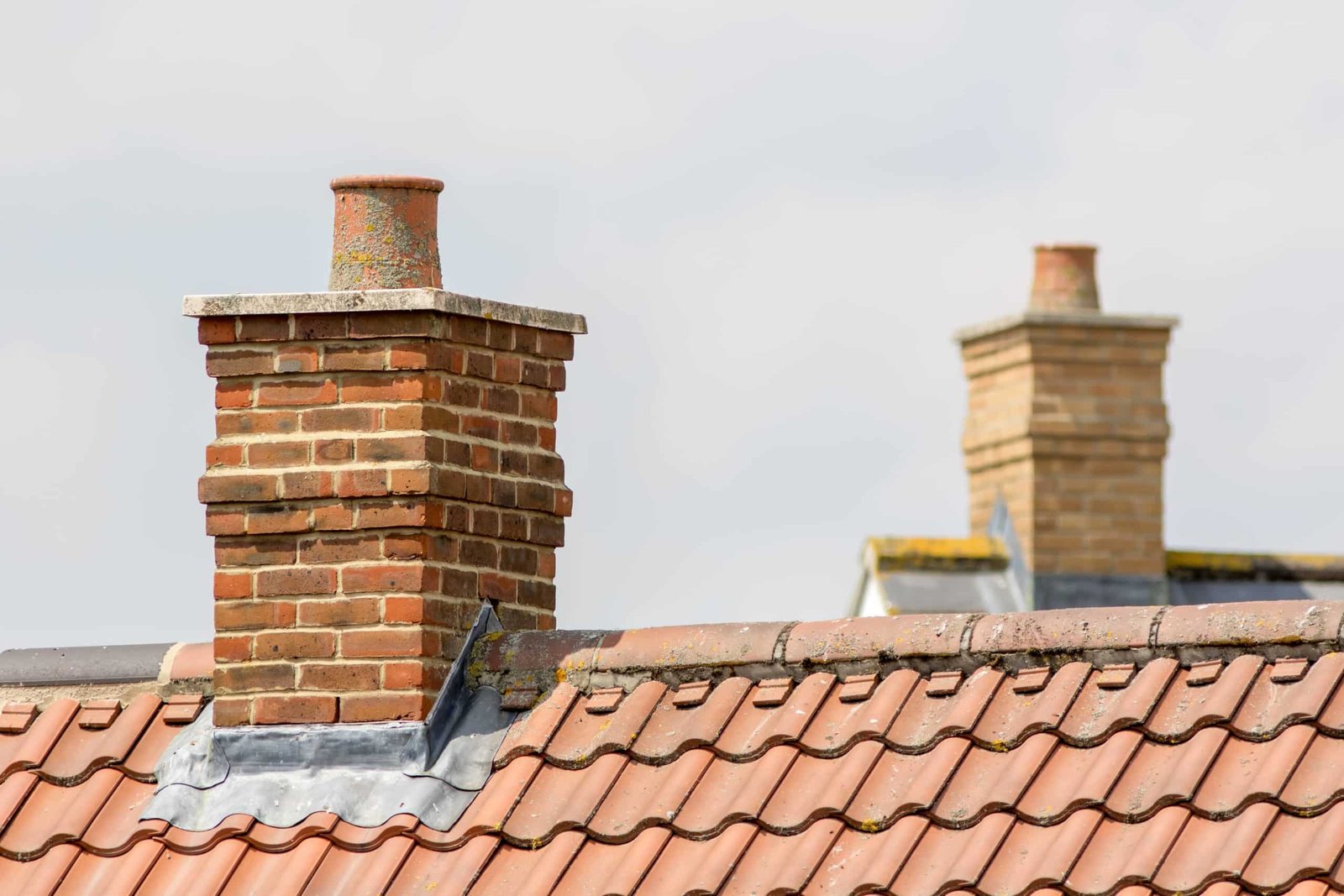
If you’re living in Fort Worth and your home has a fireplace, you might not think about your chimney liner all that often—until something goes wrong. The liner is one of those hidden parts of your house that quietly does its job, keeping your home safe and your fires burning cleanly. But what happens when that liner gets damaged? Is there a point where it’s just too late to fix it? Let’s dig into what you should know about chimney liners, why they matter so much, and how to decide when it’s time to act.
Key Features: What Makes Chimney Liners So Important?
Chimney liners are kind of like the unsung heroes of your fireplace system. They sit inside your chimney, forming a barrier between the hot, smoky air and the brickwork. Their main job is to keep all that heat, smoke, and dangerous gases headed up and out of your home, not leaking into your walls or attic. If the liner is cracked, corroded, or missing sections, trouble isn’t far behind.
Here’s a quick look at what a healthy chimney liner does for your home:
When the liner is in bad shape, it can’t do any of these things properly. That’s when you start to run into problems that can quickly go from annoying to downright dangerous.
Safety: How Bad Can a Damaged Liner Get?
Here’s the thing: damaged chimney liners don’t get better with time. In fact, they almost always get worse. At first, you might notice some odd smells, a draft, or a little more smoke than usual. Over time, cracks and holes in the liner allow heat and fumes to sneak into places they should never go—like your attic or the inside of your walls.
If left unchecked, you could be facing some serious risks, including:
- Chimney or house fires
- Carbon monoxide poisoning
- Structural damage to your home
- Mold and moisture problems from escaping gases
“A neglected chimney liner is like a ticking time bomb hiding in plain sight—out of mind until it’s suddenly front and center.”
So, when is it too late? If the liner’s damage is so severe that the chimney itself is crumbling, or if the fire department recommends you stop using your fireplace entirely, that’s about as late as it gets. At that point, fixing the liner alone may not be enough; you might need major repairs or a full rebuild.
Cost: Waiting Could Cost More Than You Think
Money is always part of the equation, right? Fixing a chimney liner early on might just mean sealing up a crack or replacing a small section, which is relatively affordable. But if you wait too long, the problems stack up. A badly damaged liner often means you’ll need a full replacement, and you could be looking at repairs to the chimney itself, or even parts of your roof or attic.
Letting repairs slide might seem like a way to save a few bucks now, but it usually ends up costing a lot more down the road. Think of it like patching a leaky roof—catch the drip early, and it’s no big deal. Ignore it, and one rainy day later, you’ve got a real mess on your hands.
These numbers are just ballpark figures, but you get the idea: early action is almost always cheaper than waiting until it’s “too late.”
Emergency Service: What To Do If You Suspect Trouble
If you notice anything unusual—smoke in odd places, strange smells when you use the fireplace, or visible cracks in the chimney—it’s time to call an expert. In Fort Worth, there are plenty of professionals who offer emergency chimney inspections and repairs. Don’t risk it by lighting another fire until someone’s had a look.
Here’s what you should do if you think your liner is in bad shape:
- Stop using your fireplace immediately.
- Call a certified chimney professional for an inspection.
- Get a written report of the damage and repair options.
- Ask about temporary safety measures if repairs can’t happen right away.
Remember, waiting can turn a simple fix into a full-blown emergency. In some cases, you may need to call the fire department if you suspect a fire hazard.
FAQs: Quick Answers About Damaged Chimney Liners
Q: Can I fix a damaged liner myself?
A: It’s not a good idea. Chimney liners are tricky and require special tools and expertise. A professional can spot hidden damage you might miss.
Q: How often should I have my chimney inspected?
A: Once a year is a good rule of thumb, even if you don’t use your fireplace much. Catching problems early is way cheaper and safer.
Q: What are signs my liner is in trouble?
A: Look for smoke in the house, strange smells, bits of tile or debris falling into the fireplace, or visible cracks in the chimney.
Q: Is it ever truly “too late” to fix a liner?
A: If the chimney structure is still solid, it’s rarely too late—though repairs might be bigger and pricier. If the chimney itself is failing, you’ll need more extensive help.
Conclusion: Don’t Wait Until You’re Out of Options
Fixing a damaged chimney liner isn’t something you want to put off, especially in a place like Fort Worth where weather and time can be tough on homes. The longer you wait, the more likely you’ll run into serious safety risks and bigger repair bills. If you suspect your liner’s in trouble, get it checked out soon. Your home—and everyone in it—will be a lot safer for it.
Tags : Chimney Sweep Chimney Liner