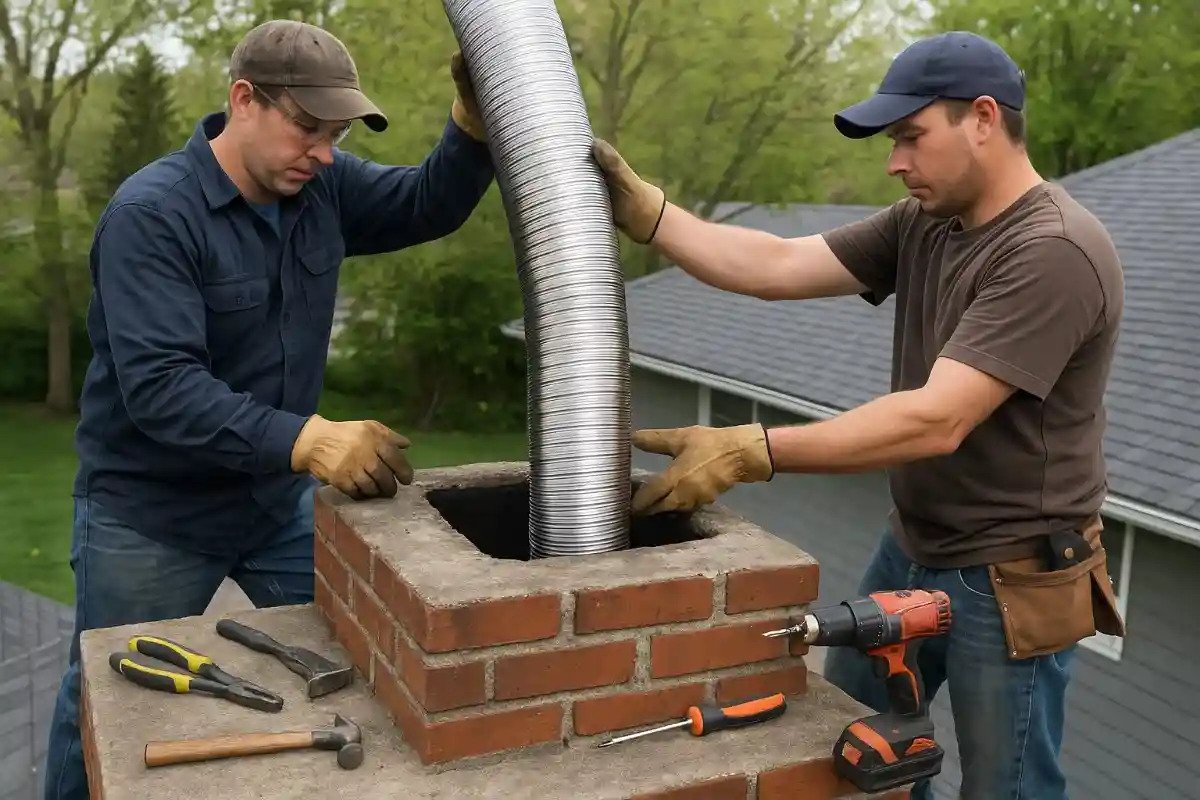
If you’ve ever cozied up to a fireplace on a chilly Birmingham evening, you might not have given much thought to what’s happening inside your chimney. But behind those bricks and mortar, there’s a hidden hero: the chimney liner. This liner does a lot more than you’d think—it’s not just about venting smoke, but also about protecting your home and keeping your air clean. Knowing what goes into inspecting this important part of your fireplace can help you understand why it matters and what to expect when a professional comes to take a look at your Chimney Liner.
Key Features: What Gets Checked?
During a chimney liner inspection in Birmingham, the technician isn’t just glancing up the flue and calling it a day. They’re on the lookout for cracks, rust, blockages, and signs of wear that could spell trouble down the line. An inspection can be as simple as shining a flashlight up the chimney or as detailed as using a special camera to check every inch. The goal is to make sure the liner is intact and doing its job—safely guiding smoke and gases out of your home without letting dangerous byproducts leak into your living space.
Some liners are made of clay tiles, others are metal, and newer homes might even have flexible liners. Each type has its own vulnerabilities: clay can crack, metal can corrode, and flexible liners can get punctured or torn. Inspectors look for gaps, missing mortar, soot buildup, and any signs of nesting critters. They also check that the liner fits properly and isn’t out of place due to shifting bricks or settling over time.
| Feature | What’s Checked | Why It Matters |
|---|---|---|
| Material | Clay, metal, or flexible liner type and condition | Different materials fail in different ways |
| Structural Integrity | Cracks, rust, punctures, or missing sections | Prevents gases and heat from escaping into walls |
| Cleanliness | Soot, creosote, debris, and nests | Build-up increases fire risk and blocks airflow |
| Fit and Alignment | Proper placement and no shifting over time | Ensures safe and efficient venting |
Safety: Why Inspections Can’t Be Skipped
Picture this: you light a fire, expecting warmth and a bit of ambiance, but instead, hidden cracks in your chimney liner allow poisonous gases to seep into your home, or worse, spark a dangerous house fire. That’s why regular inspections are more than just a box to tick—they’re a vital safety step. Birmingham homes, with their mix of old and new builds, often have chimneys that take a beating from weather and time. Skipping an inspection means you’re rolling the dice with your family’s safety.
"A healthy home starts with what you can’t see. Keeping your chimney liner in check makes sure the warmth stays inside, and the danger stays out."
Beyond protecting your home from fire, a good liner keeps carbon monoxide and other harmful gases from sneaking back inside. And if your home insurance ever comes into play, they’ll want to see proof that your chimney’s been kept up to code—inspections are a big part of that.
Cost: What Should You Expect to Pay?
The big question on everyone’s mind: how much is this going to cost? In Birmingham, the price of a chimney liner inspection can vary. If you’re getting a basic visual check, you might pay less, but if a camera is snaked up the chimney for a detailed look, costs can go up. On average, expect to spend anywhere from £60 to £150 for a standard inspection.
If the inspector finds problems, there may be extra charges for repairs or a follow-up visit. Still, this is a small price to pay compared to the cost of fixing smoke damage or recovering from a chimney fire. Some companies in Birmingham offer seasonal discounts or bundled deals if you combine the inspection with a sweep, so it’s always worth asking.
Emergency Service: When to Call Right Away
Sometimes, waiting until your yearly inspection isn’t enough. If you notice strange smells, smoke backing up into your room, or hear critters scurrying in your chimney, it’s time to call for an emergency check. Birmingham’s weather can sometimes knock debris loose or cause unexpected damage, so keep an eye (and nose) out for anything unusual.
Emergency services can be more expensive since they often mean a technician has to drop everything and come out right away. But when your safety is on the line, it’s never worth the risk. Many local companies offer 24/7 services for those “just can’t wait” situations, and they’ll often bring specialized equipment to quickly diagnose and fix the most urgent problems.
FAQs about Chimney Liner Inspections in Birmingham
Q: How often should I get my chimney liner inspected?
A: Most experts recommend at least once a year, especially if you use your fireplace regularly. Even if you don’t, Birmingham’s weather can still do a number on your chimney.
Q: Can I inspect my own chimney liner?
A: While you can look for obvious issues like debris or animal nests, most damage happens where you can’t see. It’s always safest to call in a pro with the right tools.
Q: What if my liner needs replacing?
A: If the inspector finds serious issues, they’ll usually recommend replacement. The cost can vary widely, but catching problems early can save you money and hassle in the long run.
Q: Is a chimney liner required by law in Birmingham?
A: Newer homes and installations usually require a liner to meet building codes. If you’re unsure, your inspector can let you know if your setup is up to standard.
Wrapping It Up
Taking care of your chimney liner might not be the first thing on your to-do list, but it plays a huge role in keeping your Birmingham home safe and comfortable. From regular checkups to emergency fixes, knowing what goes into an inspection helps you stay ahead of potential problems and enjoy your fireplace with peace of mind. Whether you’re dealing with a classic clay liner or a modern metal one, keeping it in top shape is an investment in your home’s future. So next time you light a fire, you’ll know that your Chimney Liner is quietly working behind the scenes to keep you safe.
Read more : Birmingham Chimney Sweep
Tags : cleaning