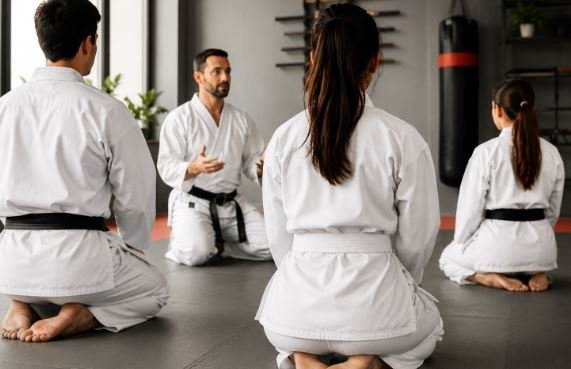
Starting something new can feel both exciting and a little intimidating, especially when it involves learning a skill like martial arts. Many first-time students wonder if they'll be able to keep up, whether they'll need to be in great shape, or if they'll be expected to spar on day one. The good news is that most martial arts schools are designed to welcome beginners and help them learn at a comfortable pace.
Your first martial arts class in St Paul is about getting familiar with the training environment, meeting your instructors, and taking the first step toward improving your fitness, confidence, and self-discipline. Whether you're enrolling yourself or your child, knowing what to expect can help you walk through the door with confidence.
A Friendly Welcome
The first thing you'll notice is the welcoming atmosphere. Reputable martial arts schools understand that every student starts as a beginner. Instructors and experienced students are usually eager to help newcomers feel comfortable.
When you arrive, you'll likely be greeted by a staff member or instructor who will introduce you to the facility, explain class procedures, and answer any questions you may have. This is also a great opportunity to discuss your goals, whether you're interested in self-defense, fitness, competition, or personal development.
Comfortable Clothing Is All You Need
For your first class, you generally don't need expensive equipment. Most schools recommend wearing comfortable athletic clothing that allows you to move freely. Depending on the style of martial arts, you may eventually wear a traditional uniform, but beginners are often encouraged to start in workout attire.
Some schools ask students to train barefoot, while others may require specialized footwear depending on the program. Be sure to remove jewelry and bring a water bottle to stay hydrated throughout the session.
Meeting Your Instructor
Your instructor plays an important role in your martial arts journey. During your first class, they'll introduce themselves, explain the structure of the lesson, and demonstrate proper techniques.
Don't worry if you've never practiced martial arts before. Good instructors understand that everyone learns at a different pace. They'll focus on helping you understand the basics rather than expecting perfection.
Feel free to ask questions if you're unsure about a movement or instruction. Learning is part of the process, and instructors appreciate students who want to improve.
Beginning with a Warm-Up
Every martial arts class typically begins with a warm-up. This prepares your muscles and joints for training while helping reduce the risk of injury.
A beginner-friendly warm-up may include:
- Light jogging or movement drills
- Jumping jacks
- Dynamic stretching
- Basic mobility exercises
- Simple bodyweight movements
These exercises also help improve endurance, flexibility, and coordination over time.
Learning Basic Martial Arts Techniques
After warming up, the instructor will introduce basic techniques suitable for beginners. Rather than advanced moves, your first lesson usually focuses on developing proper form and body mechanics.
You may learn:
- Basic fighting stance
- Proper balance and posture
- Simple punches
- Basic kicks
- Blocks
- Footwork
- Safe movement techniques
These fundamentals become the building blocks for more advanced skills later in your training.
Remember, everyone in the class was once a beginner. Don't compare yourself to experienced students. Focus on learning one technique at a time.
Understanding Martial Arts Etiquette
Respect is one of the core values taught in martial arts. During your first class, you'll also learn about basic etiquette.
This may include:
- Bowing before entering the training area
- Listening carefully when instructors speak
- Treating training partners with respect
- Keeping the practice area clean
- Following safety instructions
These traditions help create a positive learning environment where everyone feels respected and motivated.
Partner Drills Without Pressure
Many beginners worry they'll be forced into full-contact sparring immediately. In reality, most schools introduce partner drills gradually.
Your instructor may pair you with an experienced student who can guide you through simple exercises. These drills are carefully supervised and focus on practicing techniques rather than winning or competing.
If you're uncomfortable with any activity, communicate with your instructor. They can modify exercises to match your comfort level and experience.
You Probably Won't Spar on Day One
One of the biggest misconceptions about martial arts is that beginners immediately start fighting.
Most beginner classes do not involve full sparring during the first lesson. Instead, instructors prioritize:
- Learning fundamentals
- Building confidence
- Practicing safely
- Developing coordination
- Understanding class structure
Sparring is typically introduced only after students demonstrate proper control and understand safety rules.
Expect a Great Workout
Even though your first class focuses on learning, you'll likely get an excellent workout.
Martial arts training improves:
- Cardiovascular endurance
- Strength
- Flexibility
- Coordination
- Balance
- Agility
It's completely normal to feel tired afterward. You may even experience mild muscle soreness the next day, especially if you're new to physical activity. Staying hydrated and stretching afterward can help your recovery.
Building Confidence One Class at a Time
Many people join martial arts to improve self-confidence. While confidence doesn't develop overnight, your first class is an important step toward achieving that goal.
Each technique you learn builds your abilities. As you continue attending classes, you'll notice improvements in your coordination, fitness, focus, and overall mindset.
Small accomplishments eventually turn into lasting confidence both inside and outside the training area.
Learning at Your Own Pace
Every student progresses differently.
Some people quickly master certain techniques, while others need additional practice. That's completely normal.
The purpose of your first class isn't perfection—it's learning. Martial arts is a lifelong journey where steady improvement matters far more than immediate success.
Celebrate each small victory, whether it's learning your stance correctly or remembering a new technique.
Making New Friends
Martial arts schools often become close-knit communities. Students encourage one another, celebrate achievements, and train together toward common goals.
Your first class gives you an opportunity to meet people from different backgrounds who share similar goals, such as improving fitness, learning self-defense, or developing discipline.
Many lifelong friendships begin inside a martial arts school.
What Happens After Class?
At the end of class, instructors may review what you learned and provide recommendations for future training.
This is a good time to ask questions about:
- Beginner programs
- Class schedules
- Uniform requirements
- Membership options
- Personal training goals
If you enjoyed the experience, consider scheduling your next class while everything is still fresh in your mind. Consistency is one of the most important factors in martial arts progress.
Tips for a Successful First Class
Here are a few simple ways to make your first experience enjoyable:
- Arrive 10–15 minutes early.
- Wear comfortable workout clothing.
- Bring a water bottle.
- Keep an open mind.
- Listen carefully to your instructor.
- Don't worry about making mistakes.
- Focus on learning instead of comparing yourself to others.
- Most importantly, have fun.
Final Thoughts
Your first martial arts class is the beginning of an exciting journey filled with personal growth, improved fitness, and valuable life skills. While it's natural to feel nervous before trying something new, you'll quickly discover that martial arts schools are built to support beginners every step of the way.
Rather than expecting perfection, focus on learning, asking questions, and enjoying the experience. Every black belt was once a beginner who decided to attend that very first class. With consistency, patience, and a willingness to learn, you'll gain much more than physical skills—you'll develop confidence, discipline, respect, and resilience that can positively impact every area of your life.
Tags : Martial Arts Class