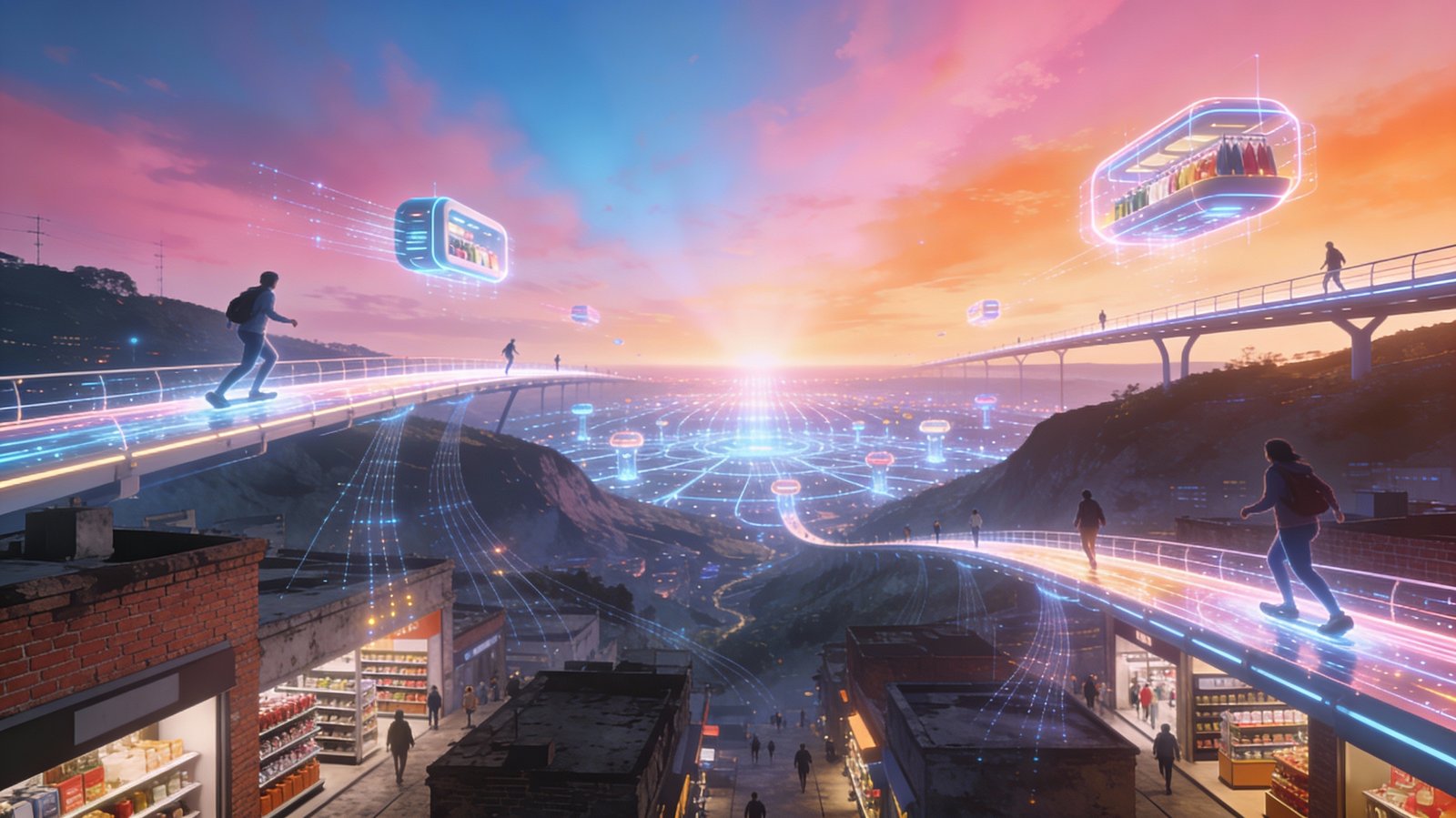
Retail has always been shaped by customers, but today’s digital-first customer is doing more than influencing store layouts or promotions. They are quietly rewriting the architecture of retail systems themselves. From how inventory flows to how decisions are made in real time, modern retail platforms are now reflections of digital behavior rather than internal convenience.
Understanding what this customer teaches us is not about chasing trends. It’s about decoding expectations that are already embedded into clicks, taps, and abandoned carts and translating them into resilient retail systems.
The Digital-First Customer Is System-Aware (Even If They Don’t Know It)
The modern shopper doesn’t think in terms of ERP, POS, or OMS, but they feel the outcomes of those systems instantly.
They notice when:
Stock availability differs between app and store
Returns are easy online but painful offline
Recommendations feel generic instead of contextual
Each of these moments reveals something critical: retail systems are now part of the brand promise, not just backend utilities. What customers reward isn’t flashy interfaces, it’s coherence.
Speed Is No Longer a Feature, It’s a Baseline
For digital-first customers, latency is interpreted as incompetence.
They expect:
Real-time inventory visibility
Instant confirmation and updates
Immediate resolution pathways
Retail systems that still rely on batch updates or overnight syncs struggle to keep up. The lesson here is clear: systems must think and respond closer to real time.
This shift has little to do with UI polish and everything to do with architectural decisions made years earlier.
Channels Are Invisible to Customers but Painfully Visible in Systems
One of the strongest signals digital-first customers send is this: they don’t care about channels.
They move fluidly between:
Social discovery
Mobile browsing
In-store pickup
Post-purchase support
When systems treat these as separate journeys, friction appears. When systems unify them, the result feels effortless and significantly improves customer experience without adding complexity to the front end.
Personalization Is Interpreted as Respect
Digital-first customers don’t just want personalization; they expect relevance.
They respond positively when:
Pricing reflects loyalty or context
Recommendations align with intent, not history alone
Messaging adapts to behavior across sessions
This teaches retail systems an important lesson: data silos destroy meaning.
To truly personalize, you need systems capable of sharing Horizontal Contextual Information across departments, not just providing Customer Service. The Customer Experience becomes enhanced, not because of Aggressive Targeting, but through Better Data Orchestration.
Returns Reveal More Than Purchases Ever Will
Returns are one of the most honest feedback loops in retail, and digital-first customers use them freely.
They expect:
Minimal steps
Transparent status tracking
No penalty for changing their mind
Retail systems that treat returns as exceptions instead of signals miss valuable insight. Modern platforms are now designed to:
Analyze return patterns
Feed insights into merchandising decisions
Adjust fulfillment logic dynamically
This operational maturity has a direct impact on customer experience, even though customers never see the systems behind it.
Trust Is Built Through Consistency, Not Promises
Digital-first customers are quick to lose trust and slow to regain it.
They notice inconsistencies such as:
Promotions that don’t apply everywhere
Loyalty points that update late
Conflicting information across touchpoints
Retail systems must therefore prioritize single sources of truth. This is not a UX problem; it’s a systems governance problem.
Many retailers addressing this challenge collaborate with specialized Retail Software Development Companies to modernize legacy architectures without disrupting ongoing operations.
Decision-Making Is Moving Closer to the Edge
A key learning is the separation of the digital and the physical, predictably unpredictable digital customers; Expect Retailers to Be Predictable.
To meet this paradox, retail systems are evolving toward:
Event-driven architectures
Embedded intelligence at transaction points
Automated decision rules for pricing, fulfillment, and offers
Instead of waiting for dashboards, systems now act in the moment. This silent shift significantly elevates customer experience while reducing manual intervention across teams.
Loyalty Is Earned Through System Reliability
Digital-first customers don’t associate loyalty with brands alone; they associate it with ease.
They stay loyal when:
Orders are always accurate
Support has full context
Systems “remember” them across time
This is why modern retail platforms invest heavily in:
Unified customer profiles
Context persistence
Operational resilience
Each of these investments compounds into a better customer experience over time, even when marketing activity stays constant.
What Retail Systems Must Unlearn?
Perhaps the most valuable lesson digital-first customers teach is what not to do.
Retail systems must unlearn:
Channel-centric thinking
Static workflows
Data hoarding by function
Instead, they must embrace adaptability, shared intelligence, and continuous feedback loops principles borrowed as much from digital products as from traditional retail.
The Quiet Advantage of Listening to Behavior
Digital-first customers rarely articulate what they want, but their behavior is precise.
They teach retail systems to:
Prioritize flow over features
Design for exception handling
Treat consistency as a competitive edge
Retailers who internalize these lessons don’t just modernize technology, they future-proof decision-making. And in doing so, they create systems that naturally support better customer experience without chasing every new trend.
Conclusion: Retail Systems Are Now Customer Narratives
The digital-first customer expects alignment over perfection. This type of alignment exists between what retailers state they will do and what they actually deliver; what customers see on the surface and what retailers do behind the scenes to make that happen; and finally, between what customers anticipate and what retailers learn about them from their interactions with the business over time.
Retail systems that create this alignment become invisible to customers. They stop interrupting the customer journey with friction and/or inconsistency because they support each step of the customer journey through every interaction (discovery, purchase, fulfilment, and support) without requiring customers to change their behaviors or adapt to retail systems.
As digital behaviors continue to evolve, the successful retailers will be the ones who listen closely to their customers from a systems perspective. Converting the actual behaviors of customers into systems and processes that are adaptable and resilient will create a platform to rapidly respond to market fluctuations while continuing to build trust. This creates a platform to maintain relevance in a digital-first economy.