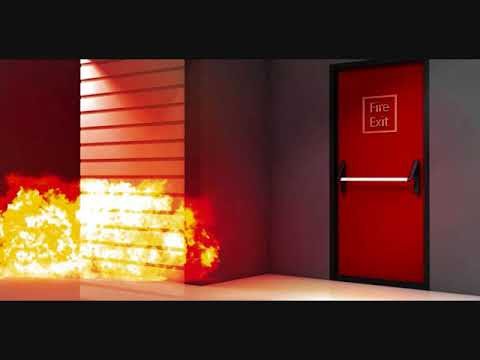
When danger strikes, doors decide how fast you can escape. A normal door may look tough, but flames chew through it quickly. A fire resistant door blocks fire or smoke, preventing it from spreading by creating a safe path. With this shield, families win extra minutes to run or guard what they love. In this blog, you will explore how these special doors rise above regular ones through why they stand as powerful protectors in every home or building.
Strength in Material
Doors may seem alike, yet the power inside tells another tale. Some grip heat or pressure with courage, while others collapse fast. Let’s dig into what makes one door stand strong while another falls apart.
Solid Core Design
Makers pack fire doors with dense layers. These layers grip heat without bending or breaking.
Thick timber or steel cores hold firm.
Special seals swell or shut the smoke out.
Strong edges stop fire from crawling through
A regular door often uses light wood or hollow panels. Flames chew through it in minutes.
Seals that Swell
Fire doors hide strips called intumescent seals. When heat hits, the strips burst wide to seal the cracks. Smoke tries to creep through gaps, but the swollen seals push it back. This tiny feature often saves more lives than the door’s timber core.
Tested for Safety
Before builders trust a door, they hurl it through fierce trials. Flames scorch it, smoke swirls around it, or pressure pounds it. These tests show how long the door can fight back when danger storms in.
Trials Under Fire
Fire doors must prove their worth before they reach a home. Makers slam them with fire, smoke, or pressure.
Each door must survive a set number of minutes in the fire.
Glass panels also face the same burning test.
Every door leaves the factory with a clear safety mark
These tough trials show how long the door can hold flames back.
Fire Ratings Explained
The tests give every door a rating, shown in minutes. You may see numbers like 30, 60, or 120. The number shows how long the door stands tall before fire wins. In real life, those minutes help people escape to call for help.
Function with Purpose
A door does more than decorate a wall. It slows fire, steers people toward safe exits, or shields precious things. Here’s why its purpose shapes lives far more than its style ever could.
Saving Lives
Fire doors serve a bigger role than they look. Builders place them in flats, schools, or offices to guard lives.
Slow flames that try to rush down the halls
Mark safe paths to escape
They shield valuables until help arrives.
A regular door simply cuts one space from another. It does not fight back against smoke or heat.
Where You Find Them
Fire doors guard stairwells, kitchens, or long corridors. Builders choose these spots because fire often blocks exits first. By stopping the smoke in these zones, the doors carve out safe routes for people to flee.
Everyday Use to Care
Even a mighty door weakens if you neglect it. Hinges sag, seals crack, or frames shift. With quick checks for simple fixes, you keep the door ready to guard when threats rise.
Quick Checks
You must check fire doors often. Hinges, seals, or frames must stay tight. Cracks, gaps, or loose screws weaken the door’s shield. A short look once in a while can spot early damage.
Fixing Problems Fast
If a door drags, sticks, or refuses to shut, it no longer works properly. Owners must mend these faults at once. Even a missing strip or broken hinge makes the whole door weak.
Key Differences at a Glance
Comparing doors side by side uncovers sharp contrasts. Materials, strength, for the purpose leap out. With one look, you’ll see why not every door stands fit to protect lives.
Material vs. Build
Fire Door: Holds solid cores, swollen seals, or fire glass
Regular Door: Uses hollow or thin panels
Testing vs. Looks
Fire Door: Fights fire in hard trials
Regular Door: Chosen for style or colour
Role vs. Purpose
Fire Door: Stops fire or smoke, which buys time
Regular Door: Splits spaces or adds design
Why Homes or Buildings Need Fire Doors
Every place, from tiny flats to tall towers, leans on strong doors to protect people. These barriers carve escape paths to grant time to flee. Let’s explore why no building should ignore them.
Guarding Families
In homes, fire doors carve safe zones. If flames spark in the kitchen, the door seals the fire inside the room. This pause gives families time to escape.
Securing Big Buildings
In schools, offices, or hospitals, hundreds of people need clear exits. Fire doors block smoke from choking staircases or halls. Without them, crowds might panic with no safe path out.
Fire Doors in Modern Design
Builders refuse to trade safety for beauty. Strong doors now blend safety with style, painting rooms with colour while keeping fire at bay. Protection or design march together in modern spaces.
Safety Meets Style
Many think safe doors must look plain. Yet fire doors now come in many colours or finishes. They blend with décor while still holding strong.
Teaming with Alarms
Some fire doors link with alarms. When a fire alarm rings, the doors swing shut on their own. This swift move stops the smoke even when people forget to close them.
How Fire Doors Protect People in Real Life
In real emergencies, these doors prove their true power. They block smoke, slow flames carve safe paths for escape. Let’s see how they stand tall or shield people when danger roars through a building.
Ways They Guard Lives
Block smoke from rushing into the halls
Trap fire inside one room for longer.
Carve safe paths for families to escape.
How Fire-Resistant Doors Follow Building Safety Rules
Fire resistant door aren’t just for safety; they help buildings follow the law. These doors make sure that a building stays safe by meeting fire safety rules. Here's how fire doors make a difference
Meet Safety Rules
Fire Resistance Ratings
Keep People Safe
Final Thought
Choosing between a plain door or a fire resistant door shapes more than looks; it shapes safety. These doors fight flames, trap smoke by maintaining time for people to flee, while rescuers charge in. Fitting one shows care, courage, or foresight. BTO Door in Singapore crafts these strong shields with designs that blend safety with style, proving that doors can both guard lives by brightening a home.
Frequently Asked Questions
Q1: How often should someone check fire doors?
Check fire doors every six months. Look closely for cracks, loose hinges, or broken seals. Catch small problems early so the door stays strong or ready when trouble shows up.
Q2: Can I paint a fire door to match my room?
Yes, you can paint it to match your space. Just don’t cover the seals or metal parts. Use paint that won’t mess up how the door works during a fire.
Q3: Do all buildings need fire doors?
No, not all buildings need them everywhere. But schools, offices, flats, or hospitals often use them to block fire smoke, keeping halls or stairs safe for people to escape.
Tags : fire resistant door