What Is Aromatherapy Massage and How Does It Influence the Mind–Body Stress Response?
By Amelia Brown 26-02-2026 101
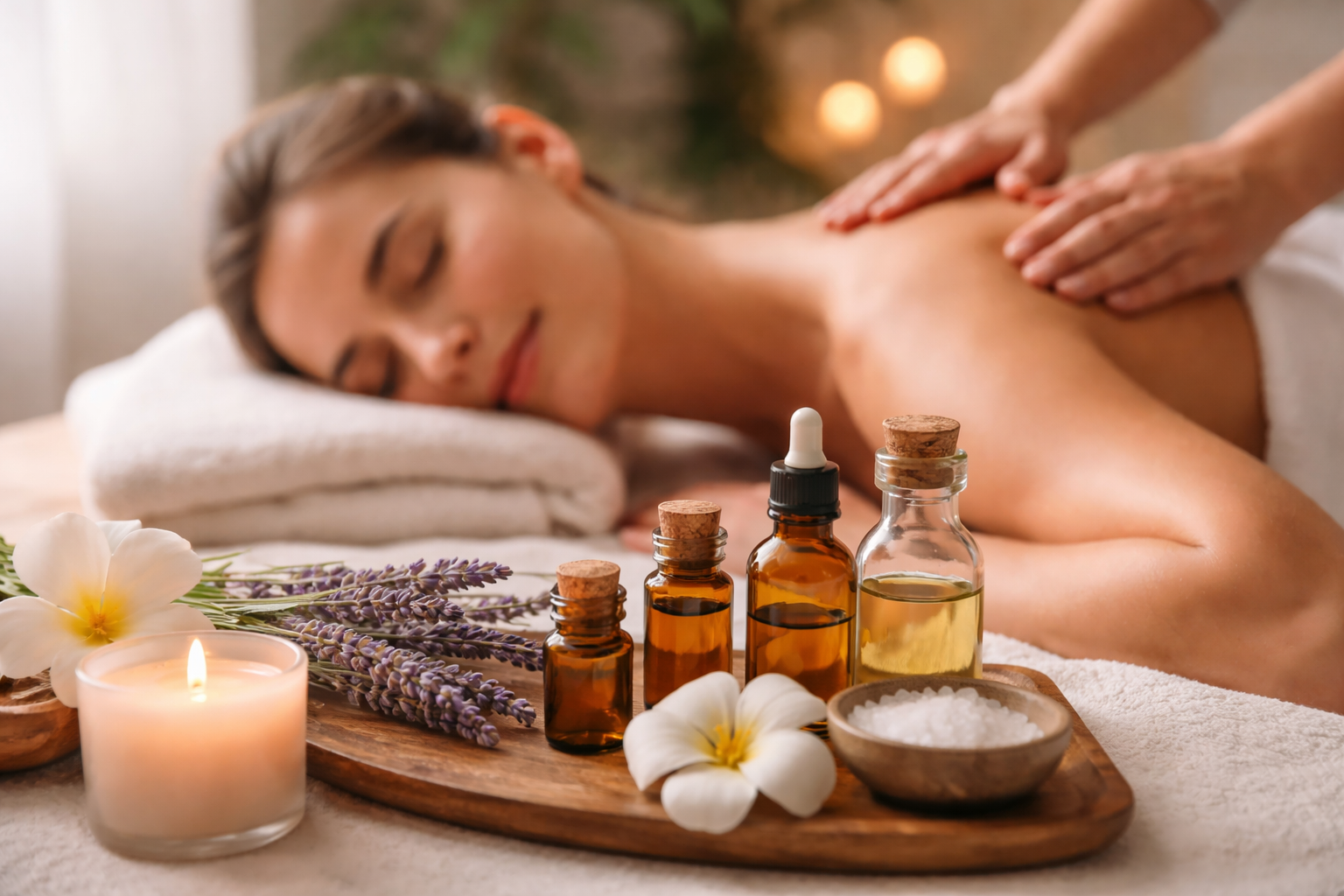
Modern conversations about stress often focus on productivity, burnout, or mental overload, yet stress itself is not only psychological. It is a whole-body response shaped by the nervous system, sensory input, and personal perception. As more people look for ways to better understand how their bodies respond to stress, interest has grown in sensory-based wellbeing approaches. This has naturally led many readers to ask a simple but important question: what is aromatherapy massage, and how does it relate to the way the mind and body interact under stress?
Rather than positioning aromatherapy massage as a solution or treatment, it is more helpful to view it as a structured sensory experience. Understanding how it works, what it involves, and how it fits within broader wellbeing conversations may support more informed decision-making for consumers exploring complementary care options.
Understanding stress as a mind–body response
Stress is often described as “feeling tense,” yet biologically it is a coordinated response involving the brain, nervous system, and hormones. When the body perceives a threat or ongoing pressure, the sympathetic nervous system becomes more active. This response may increase heart rate, alter breathing patterns, and heighten alertness. While useful in short bursts, prolonged activation is commonly associated with fatigue, irritability, and difficulty relaxing.
Consumer education platforms frequently highlight the importance of recognizing stress responses early rather than ignoring them. Articles published through spaces such as The Consumers Feedback often explore how lifestyle, environment, and awareness influence wellbeing choices. Within this context, sensory-focused practices are commonly discussed as part of broader self-care literacy rather than medical intervention.
What is aromatherapy massage?
To understand what is aromatherapy massage, it helps to separate the term into its two core components. Massage refers to structured physical touch applied to soft tissues using varying pressure and techniques. Aromatherapy refers to the use of essential oils extracted from plants, chosen for their scent and traditional associations.
Aromatherapy massage combines these two elements. Essential oils are typically diluted into a carrier oil and applied during a massage session. The experience therefore involves both physical contact and olfactory input. Unlike remedial or sports massage, which may focus on musculoskeletal outcomes, aromatherapy massage is usually framed around relaxation and sensory awareness.
It also differs from standard relaxation massage by intentionally incorporating scent as part of the session environment. This may include oils selected by the practitioner or discussed with the client beforehand, based on preference rather than promised outcomes.
For readers seeking a more detailed explanation of how Aromatherapy massage is described within a holistic wellbeing setting, further background reading may be found through practitioner-led discussions that focus on process rather than results.
The role of the senses in stress perception
The way people experience stress is influenced by sensory input. Sound, light, touch, and smell are constantly processed by the brain, often below conscious awareness. Among these senses, smell has a particularly direct pathway to areas of the brain associated with emotion and memory.
Research frequently cited in consumer wellbeing education suggests that certain scents are associated with calming or grounding perceptions. This does not mean a scent changes stress chemistry in a guaranteed way, but it may influence how safe, relaxed, or alert a person feels in a given moment. Touch also plays a role, as slow, consistent physical contact is often associated with relaxation and reduced muscle guarding.
Articles hosted on consumer education platforms, including content accessible through the guest post creation area on The Consumers Feedback website, often examine how sensory awareness fits into everyday wellbeing choices. These discussions tend to focus on perception and personal experience rather than clinical claims.
How aromatherapy massage fits into a mind–body framework
When viewed through a mind–body lens, aromatherapy massage may be understood as a multi-sensory experience rather than a treatment. The combination of touch, scent, controlled breathing, and a calm environment may support a shift in attention away from external stressors.
This type of experience is often described as supporting relaxation routines, similar to meditation, gentle movement, or quiet rest. Importantly, it is not positioned as a replacement for medical or psychological care. Instead, it exists within the broader landscape of complementary practices that some individuals choose to explore alongside other forms of support.
Discussions around mind–body awareness on consumer platforms often highlight the value of understanding why a practice feels helpful rather than assuming how it works. Exploring what is aromatherapy massage through this lens encourages curiosity without expectation.
Consumer considerations before booking an aromatherapy massage
From an informed consumer perspective, there are several factors worth considering before engaging in aromatherapy massage. Essential oils are concentrated plant extracts, and sensitivities may vary. Some people may react to certain scents or prefer fragrance-free environments. Clear communication with a practitioner about allergies, preferences, or previous reactions is an important part of the process.
It is also helpful to understand the practitioner’s training and approach. Aromatherapy massage may be offered by massage therapists, complementary therapists, or wellness practitioners with varying backgrounds. Asking questions about oil selection, dilution, and session structure may support informed choice.
Consumer education resources, including those accessible through internal pages on The Consumers Feedback platform, often encourage readers to approach wellbeing services with the same critical thinking applied to any other service. This includes understanding scope, boundaries, and personal suitability.
Why understanding the process matters
Learning about what is aromatherapy massage without promotional framing helps reduce misconceptions. When consumers understand that the practice centres on sensory experience rather than promised outcomes, expectations tend to remain realistic. This supports safer, more transparent engagement with complementary care options.
Educational content that explains how practices fit into broader wellbeing conversations may also reduce the pressure to “fix” stress quickly. Instead, it encourages awareness, reflection, and choice. This approach aligns with consumer-focused publishing standards that prioritize clarity and balance over persuasion.
Aromatherapy massage in contemporary wellbeing discussions
The continued relevance of aromatherapy massage in modern wellbeing discussions may be linked to its simplicity. It does not require technology, complex instruction, or performance goals. Instead, it relies on fundamental human experiences: touch, scent, and rest.
As stress awareness becomes more nuanced, consumers often seek information rather than solutions. Articles that explain practices in neutral terms help readers decide whether a particular approach aligns with their preferences and values. In this way, aromatherapy massage remains part of the conversation without needing to be positioned as a cure or guarantee.
Making informed wellbeing choices
Ultimately, informed choice begins with understanding. Asking what is aromatherapy massage opens the door to learning about how sensory experiences influence perception and relaxation. Whether or not an individual chooses to engage in aromatherapy massage, having accurate information supports better decision-making across all areas of wellbeing.
Educational platforms and practitioner blogs both play a role in this process when content remains transparent, balanced, and accessible.
Tags : what is aromatherapy massage