Introduction
In modern industrial operations, clear and reliable visual feedback is critical for monitoring and controlling complex machinery. From control rooms to operator panels, display systems provide real-time insight into system performance, alerts, and operational data. At the heart of these display systems is a video driver card—an essential component that ensures accurate and stable video output. In the turbine industry, video driver cards are particularly important, enabling operators to monitor turbine performance and respond quickly to changing conditions.
Understanding Video Driver Cards
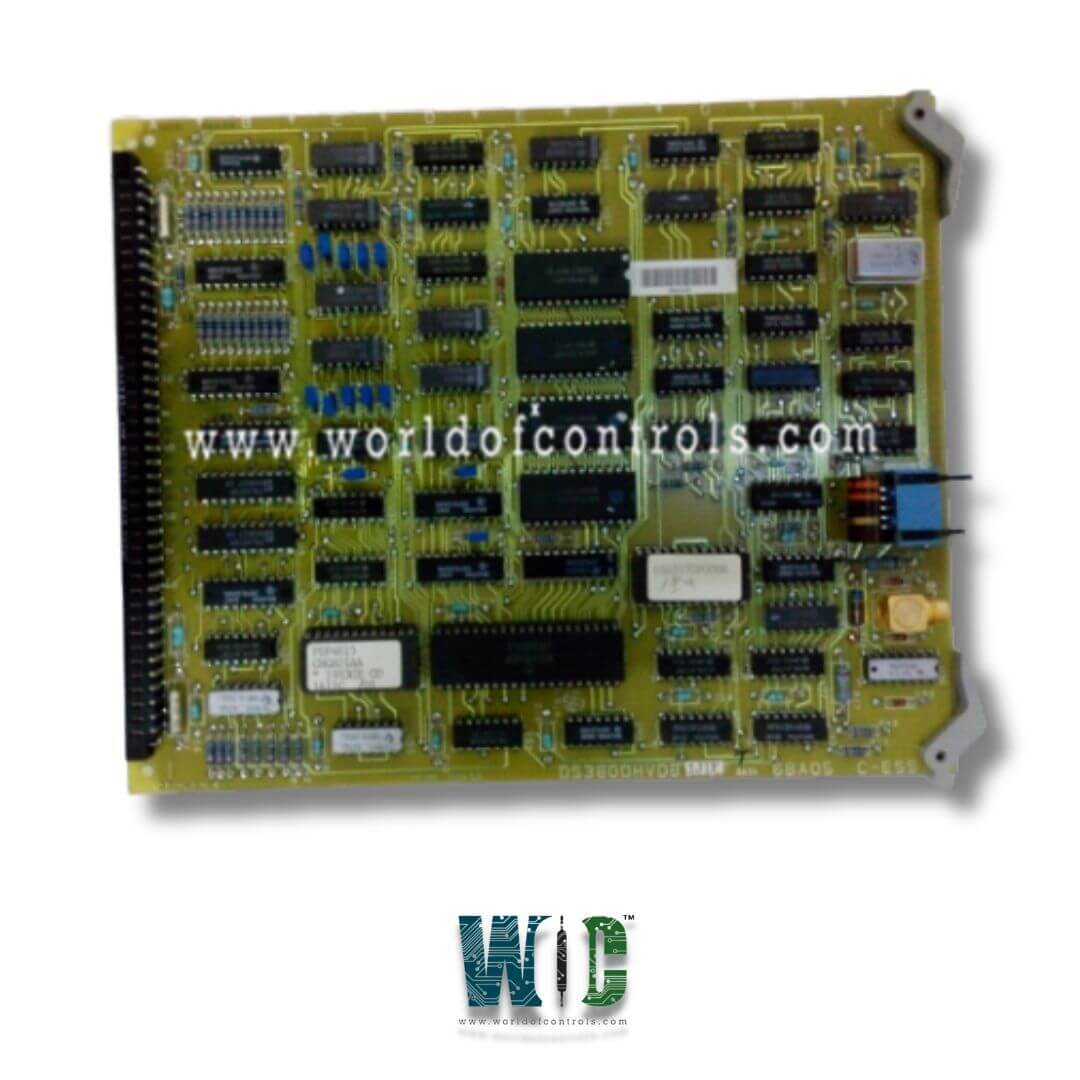
A video driver card is an electronic board that processes and transmits video signals from a control system to a display device. Unlike consumer graphics cards that prioritize high-resolution visuals and graphical performance, industrial video driver cards focus on signal stability, reliability, and long-term operation.
These cards interface with control processors to convert system data—such as temperature, pressure, rotational speed, and alarm status—into visual output. By maintaining consistent display quality, video driver cards ensure operators can interpret information quickly and accurately, which is critical in industrial environments.
The Role of Video Driver Cards in Industrial Systems
Industrial systems, particularly those in turbine operations, rely heavily on human-machine interfaces (HMIs) and control room monitors to communicate operating conditions. Video driver cards ensure that process data is displayed clearly, without interruptions or distortions, even under demanding conditions.
In turbine facilities, display systems must operate continuously while withstanding electrical noise, temperature fluctuations, and other environmental stresses. Reliable video output is not just a convenience—it is a core component of safe and effective turbine operation.
Video Driver Cards in the Turbine Industry
Turbine systems used in power generation, oil and gas, and heavy industry are highly complex. Operators need accurate, real-time information about turbine speed, load, vibration, and fault conditions. Any disruption in the display system can delay decision-making and compromise operational safety.
Industrial video driver cards in turbine applications are designed to integrate with control electronics and deliver stable, uninterrupted video output to operator terminals. By doing so, they allow operators to maintain situational awareness and respond quickly to both routine and emergency situations.
Key Features and Design Considerations
High-performance video driver cards for turbines are engineered for durability and reliability. Some key considerations include:
- Signal stability: Prevents flickering, distortion, or loss of video output
- Thermal and electrical robustness: Ensures operation under high temperatures and electrical noise
- Continuous operation: Designed for 24/7 use in control rooms
- Compatibility with industrial control systems: Interfaces seamlessly with legacy and modern turbine control platforms
These design features ensure that display systems remain operational under harsh industrial conditions, supporting both safety and efficiency.
Maintenance and Reliability
Despite their durability, video driver cards can degrade over time due to heat, electrical stress, or aging components. In turbine installations, a failing video card may cause flickering, blank screens, or distorted visuals—issues that can impede monitoring and decision-making.
Regular inspection, preventive maintenance, and timely replacement of worn cards are crucial to maintaining the reliability of turbine display systems. Keeping video output stable helps reduce downtime and protects both operators and machinery.
Why Video Driver Cards Matter in Industry
While often overlooked compared to turbines, generators, or control processors, video driver cards are essential for operational effectiveness. They act as the interface between complex control systems and human operators. In turbine operations, where rapid decisions are required, reliable visual feedback ensures safety, efficiency, and timely responses to critical events.
Conclusion
A video driver card is a fundamental component in industrial control systems, delivering reliable visual information from complex machinery to human operators. In the turbine industry, these cards enable clear, accurate, and continuous monitoring of turbine performance, helping maintain safe and efficient operations. Their role, though often invisible, is vital to the overall reliability and functionality of industrial systems.
Tags : ds3800hvdb1h