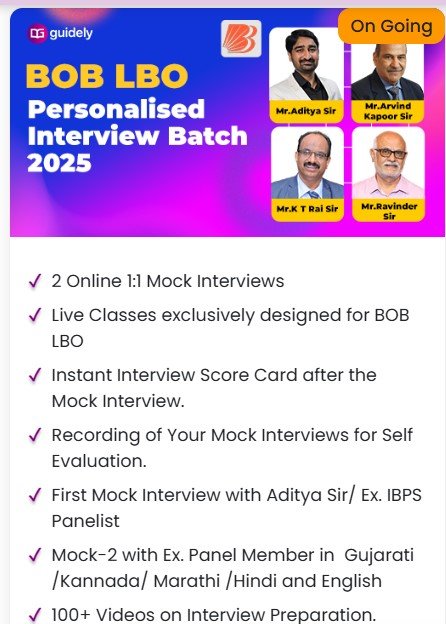
What Every Candidate Learns From Their First BOB LBO Mock Interview Course
A first mock interview leaves a strong mark on any finance aspirant. It brings nerves, pressure, and a clear look at personal strengths and gaps. Many candidates walk in with solid theory but walk out with fresh respect for preparation and structure. The experience feels intense, yet it provides direction that self-study rarely offers.
The second realization comes when the session mirrors real interview tension. A BOB LBO mock interview course pushes candidates to think fast while staying calm and precise. This experience shapes confidence and sets expectations. The rest of this article explains the lessons candidates take away from their first exposure to such a focused practice session.
Clear Thinking Beats Fast Answers
Most candidates enter their first mock interview believing speed matters more than clarity. The session quickly proves the opposite. Interviewers expect clean logic, not rushed guesses. When a candidate pauses, structures a response, and explains assumptions, the answer feels stronger and more reliable.
This lesson stays with candidates long after the mock ends. They learn to outline ideas before speaking and to guide the listener through each step. Clear thinking reduces mistakes and shows maturity. Over time, this habit builds trust with any interviewer. Candidates also learn that silence, when used wisely, reflects confidence rather than doubt.
Financial Models Demand Practical Sense
A mock interview tests more than formula recall. Candidates learn that interviewers focus on how numbers connect to business reality. If assumptions feel weak, the entire model loses value. This realization often surprises candidates who relied heavily on technical drills.
During the session, candidates see where theory meets judgment. They learn to justify inputs, explain cash flow drivers, and defend conclusions with logic. Interviewers probe deeper when answers feel shallow, which teaches candidates to prepare beyond surface-level knowledge. This shift from memorization to reasoning changes how they study afterward. Practice becomes deeper, more focused, and aligned with real expectations.
Communication Shapes the Final Impression
Strong knowledge alone does not secure success. Candidates discover that tone, structure, and confidence shape how answers land. A well-spoken response feels convincing even under pressure, while a scattered reply weakens even correct logic.
A BOB LBO mock interview course reveals habits that candidates never noticed. Some speak too softly, while others rush explanations or lose structure mid-sentence. Feedback highlights these gaps and offers ways to improve delivery. Candidates learn to pace their words, emphasize key points, and maintain eye contact. With practice, they speak with purpose and control, which leaves a stronger impression.
Pressure Reveals Preparation Gaps
Stress exposes weak spots that books cannot show. When time runs short, unclear areas surface fast. This moment teaches candidates where to focus next, saving them from blind revision.
Key gaps candidates notice include:
- Weak explanation of assumptions.
- Trouble linking numbers to strategy.
- Difficulty handling follow-up questions.
- Loss of focus under time pressure.
Feedback Turns Practice Into Progress
A mock interview without feedback holds little value. Candidates learn that honest review accelerates growth. Clear comments show what worked and what failed, without sugarcoating weaknesses.
Feedback also builds awareness. Candidates hear how interviewers perceive their answers, tone, and confidence. This outside view helps refine style and substance. Many candidates realize that small adjustments create large improvements. Over several sessions, progress becomes visible, and confidence grows through measured improvement rather than guesswork.
Confidence Grows With Each Attempt
The first mock often feels uncomfortable, yet it sparks growth. Candidates realize that discomfort fades with repetition. Each attempt builds resilience and calm under pressure, which matters as much as technical skill.
By the end, many candidates feel prepared for real interviews. A second exposure to the mock interview course feels less intimidating and more strategic. Candidates approach questions with structure, clarity, and composure. Confidence rises as preparation replaces fear and uncertainty.
A first mock interview serves as a turning point for many finance candidates. It transforms preparation from passive study into active performance. Through pressure, feedback, and reflection, candidates gain clarity, confidence, and sharper skills. This experience reshapes how they think, communicate, and prepare for demanding interview situations, setting a stronger foundation for long-term success.