What Causes Teeth Stains and How Can Whitening Help Fix It?
By Thousand Smiles Dental Clinic 30-09-2026 7
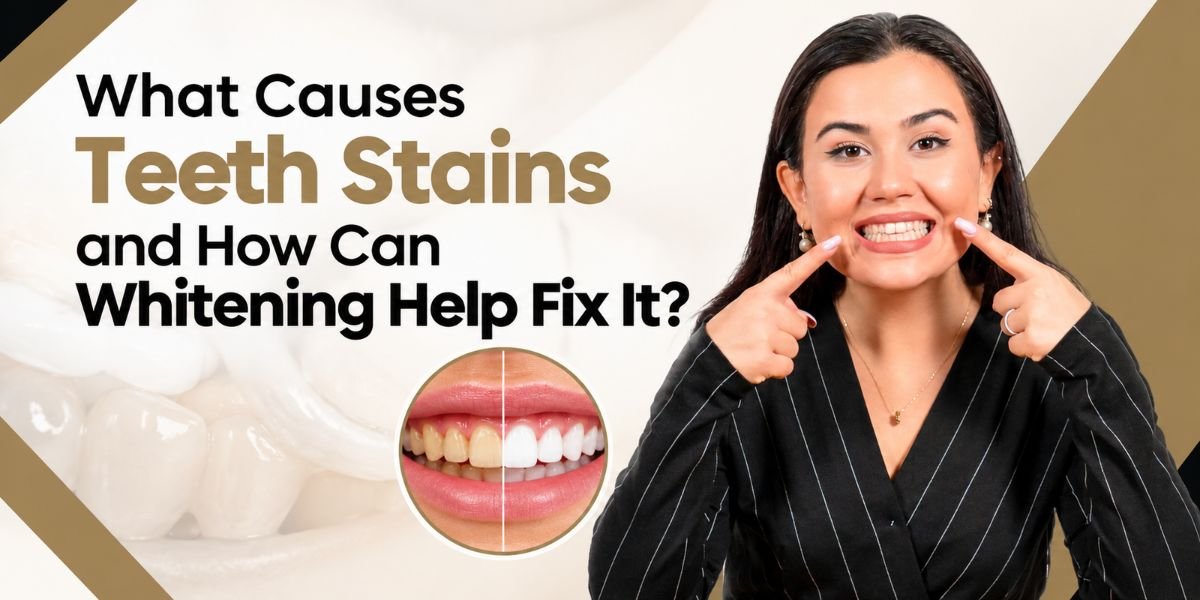
A bright smile does a lot for confidence, so it is frustrating when your teeth start to look dull or yellow despite brushing every day. Many people in the capital begin looking into teeth whitening in London at exactly this point. Before choosing a treatment, though, it helps to understand why teeth discolour. The cause of a stain often decides which solution will work best.
How Teeth Get Their Colour
The visible part of each tooth is covered in enamel, a hard and slightly translucent layer. Beneath it sits dentine, a softer tissue that is naturally yellowish. The shade you see is a blend of both, along with anything that has settled on or soaked into the surface.
Dentists usually divide discolouration into two broad types: extrinsic stains, which sit on the outside of the tooth, and intrinsic stains, which develop within it. Knowing which type you have is the first step towards a realistic result.
Everyday Habits That Stain the Surface
Extrinsic stains are the most common and tend to build up gradually. The usual culprits include:
- Drinks: tea, coffee and red wine contain pigments called chromogens, which cling to enamel. Fizzy drinks add to the problem because their acidity roughens the surface, making it easier for colour to stick.
- Food: curries, soy sauce, beetroot and dark berries can all leave a mark, particularly when eaten often.
- Tobacco: smoking deposit tar and nicotine, which can turn teeth yellow or even brown.
- Plaque and tartar: if plaque is not cleaned away thoroughly, it hardens into tartar, which attracts stains and looks yellow or grey.
Stains That Form Inside the Tooth
Intrinsic discolouration is harder to shift because the pigment sits beneath the surface. Common causes include:
- Ageing: enamel thins over the years, letting more of the yellow dentine show through.
- Medication: certain antibiotics, such as tetracycline, can discolour teeth if taken while they are developing in childhood.
- Excess fluoride: too much fluoride during early childhood may cause faint white or brown marks, known as fluorosis.
- Injury or decay: a knock to a tooth can darken it from the inside, and old fillings or untreated decay can create grey shadows.
How the Treatment Works
Whitening products use peroxide-based gels that release oxygen molecules. These penetrate the enamel and break apart the coloured compounds trapped inside, so the tooth reflects more light and appears brighter.
It works best on extrinsic stains and on the natural yellowing that comes with age. Grey or brown discolouration from medication or injury may lighten only partly, and in those cases your dentist might suggest bonding or veneers as an alternative.
Why Professional Supervision Matters
In the UK, products containing more than 0.1 per cent hydrogen peroxide can only be supplied by a registered dental professional. That rules out the strong kits sold by beauty salons, which are not legal and can burn gums or damage teeth. Over-the-counter strips and pastes are safe but contain very little active ingredient, so results are modest.
A supervised approach begins with a full check-up. Your dentist will look for gum disease, cavities or worn fillings that need treating first, because whitening over unresolved problems can cause pain. Choosing professional teeth whitening in London also means the gel is matched to your teeth, the gums are protected and your progress is monitored throughout.
Most clinics offer two routes. In-surgery treatment uses a stronger gel and can lift several shades in a single visit of about an hour. Custom-fitted trays are worn at home with a milder gel over a couple of weeks, giving a gradual and often gentler change.
What to Expect from Sensitivity and Aftercare
Temporary sensitivity is the most common side effect, usually showing up as a brief twinge with hot or cold drinks. It typically settles within a couple of days, and a desensitising toothpaste can help.
Whitening is not permanent. Results generally last between one and three years, depending on your diet, whether you smoke and how well you look after your teeth. Regular hygiene visits, twice-daily brushing with fluoride toothpaste and cleaning between the teeth will all help keep the shade you have achieved.
Whitening is not suitable for everyone. It is not recommended for anyone under 18, during pregnancy or breastfeeding, or for people with untreated gum disease. Crowns, veneers and fillings will not change colour, so your dentist may need to plan around them.
Understanding the Cost
Fees differ from one practice to the next and depend on the method, the number of sessions and whether a check-up is included. Searching for the teeth whitening price in London will show a wide spread, and the cheapest option is not always the safest or the most effective. Value comes from proper assessment, regulated products and sensible aftercare rather than the lowest figure.
Choosing the Right Clinic for You
Look for a practice that explains the causes of your staining, sets realistic expectations and is happy to answer questions. If you live or work in west London, teeth whitening in Earls Court is available at Thousand Smiles Dental Clinic, where the team can assess your teeth and recommend the approach that suits your enamel, budget and lifestyle.
A Brighter Smile Starts with Understanding
Teeth stain for many reasons, from daily coffee to changes that happen inside the tooth over time. Some discolouration responds beautifully to whitening, while other types need a different approach, which is why a proper examination matters. With the right advice, sensible habits and a trusted dental team, a fresher and more confident smile is well within reach.