If you land in Yerevan for the first time, you’ll probably be surprised by how calm it feels for a capital city. It’s not loud or rushed. People linger. Coffee takes time. Streets feel lived-in rather than staged. That’s part of the charm—and also why some travelers miss things if they don’t slow down enough.
Yerevan is old. Really old. Older than Rome, if you care about dates. But it doesn’t shove history in your face. You have to notice it. Walk a little. Look up from your phone. Sit on a bench longer than planned. That’s how this city works.
Below are the places I always suggest to first-time visitors—spots that explain Yerevan without trying too hard. This is also where many best Armenia travel packages quietly start, even if the brochures don’t say so.
Republic Square – start here, even if you don’t like “main squares”
Republic Square is unavoidable, and that’s fine. It’s wide, open, and made of pink tuff stone that changes color throughout the day. Early morning feels almost empty. Late evening is lively, especially when the fountains are on.
Here’s the trick most people miss: don’t just pass through. Sit. Watch locals cross the square on very specific paths, as if invisible lines exist. You’ll hear Armenian, Russian, English, sometimes Persian. It’s a good snapshot of modern Yerevan.
Quick warning: weekends can get loud at night. If you’re staying nearby and value sleep, bring earplugs.
The Cascade – more than stairs, less than a museum
Everyone tells you to climb Yerevan Cascade. They’re not wrong. But don’t rush it.
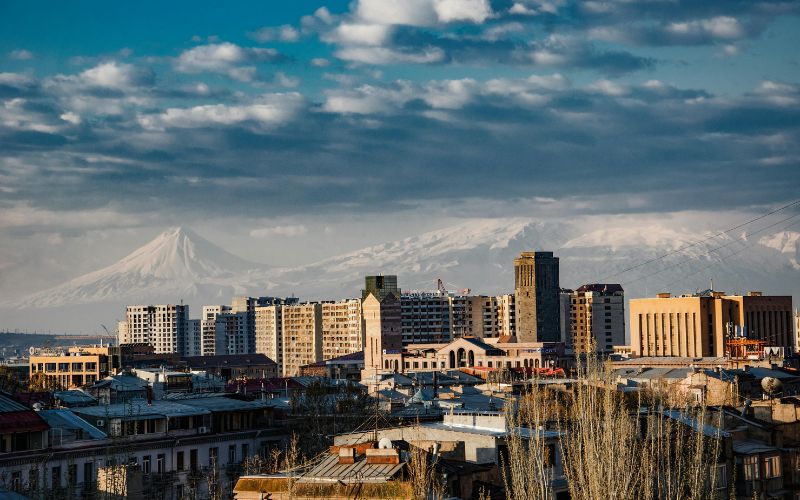
Yes, it’s a giant stairway. Yes, there’s modern art scattered everywhere. But the real payoff is halfway up, when you turn around and see the city spread out below with Mount Ararat floating in the distance on a clear day. That view feels earned.
Most people either sprint to the top or take the escalator inside and skip the outdoor walk. Both miss the point. Take it slow. Stop. Sit on the steps. This is where Yerevan feels quietly confident.
Vernissage Market – chaotic, uneven, worth your time
Vernissage Market is not polished. Tables wobble. Prices vary wildly. Some stalls sell genuine handmade pieces; others sell factory souvenirs pretending to be traditional.
Go anyway.
This is where you learn how Armenians negotiate, joke, and gently push a sale. Ask where something is made. You’ll get honest answers more often than you expect. And yes, you should bargain—but lightly. Being aggressive is where trips often go wrong.
Early afternoon is best. Morning is quiet, evening is rushed.
Matenadaran – even if you’re “not a museum person”
The Matenadaran houses ancient manuscripts, some so detailed they look unreal. You don’t need to read Armenian to appreciate them.
What makes this place special isn’t just the collection—it’s the pride around it. Locals see this as a cultural backbone, not just a tourist stop.
Tip: walk up the steps slowly. Turn around at the top. The city view from there often gets ignored, but it’s one of the better ones.
Blue Mosque – quiet, unexpected, grounding
Right in the center of the city sits the Blue Mosque. It’s peaceful, understated, and rarely crowded.
You might only spend 15 minutes here. That’s fine. Those 15 minutes reset the pace of your day. The courtyard is calm, the tile work subtle, and the atmosphere respectful.
Dress modestly. Not because anyone will scold you, but because it feels right in the space.
Cafes on Abovyan Street – where daily life really shows
Abovyan Street isn’t flashy. That’s why it matters.
Sit at a café. Order Armenian coffee. Watch how long it takes. Notice that no one rushes the waiter. This is where conversations stretch, phones stay face-down, and time bends a little.
If you want to understand Yerevan beyond landmarks, this is the stretch of road that explains it best.
Tsitsernakaberd – heavy, important, unskippable
The Tsitsernakaberd is not an easy visit. It shouldn’t be.
Go on a quiet morning if you can. Walk the path. Read slowly. Say nothing for a while. Even travelers who avoid historical sites usually leave changed.
This isn’t about politics. It’s about understanding the emotional layer beneath Armenian hospitality. Skip this, and you miss a big part of the country’s soul.
Kond – the old neighborhood most people never see
Kond is one of the oldest surviving districts in Yerevan, and it’s rough around the edges. Cracked walls. Uneven streets. Laundry hanging overhead.
That’s exactly why it matters.
No museum signs. No curated experience. Just life. If you’re respectful and curious, locals often nod or smile. Sometimes someone will ask where you’re from. These are the moments you remember later.
Go during daylight. Wear good shoes.
A final note on timing and pacing
Yerevan rewards travelers who don’t overschedule. Two or three major stops per day is plenty. Evenings are for wandering, not checking boxes. And yes, many best Armenia travel packages include these places—but they often rush them. Don’t make that mistake.
Conclusion: how to experience Yerevan the right way
Yerevan isn’t about ticking landmarks off a list. It’s about how the city unfolds when you give it space. Sit longer. Walk slower. Ask questions. The must-see places matter, but the moments between them matter more.
If you’re planning your first trip, use this list as a framework, not a script. Let curiosity guide the rest. That’s how Yerevan leaves a mark—and why so many travelers quietly start planning a return before they’ve even left.
FAQs
1. How many days do I need in Yerevan?
Three full days is ideal. Less feels rushed. More lets you settle into the rhythm.
2. Is Yerevan walkable for visitors?
Yes, especially the center. Just be ready for uneven sidewalks in older areas.
3. What’s the best time of year to visit?
Late spring and early fall. Summers can be hot; winters are quiet but charming.
4. Is English widely spoken?
Among younger people and in tourist areas, yes. Outside that, basic phrases help.
5. Should I stay in the city center?
For a first visit, absolutely. You’ll save time and energy getting around.