With growing awareness around nutrition and healthy living, more people are paying attention not just to what they consume, but also to how their food and drinks are prepared. When it comes to fresh juice, slow juicers have become a popular choice for those who want better nutrition, taste, and long-term wellness. But what exactly are slow juicers, and how do they work differently from regular juicers?
What Are Slow Juicers?
Slow juicers are a type of juicer designed to extract juice at a low speed using a gentle pressing mechanism rather than fast-spinning blades. They are often referred to as slow cold-press juicers because they extract juice without generating heat. This slow and controlled process helps preserve the natural nutrients found in fruits and vegetables.
Unlike traditional juicers that rely on high-speed rotation, slow juicers focus on careful extraction. This makes them ideal for people who want nutrient-rich juice as part of their daily routine.
How a Slow Juicer Works
A slow juicer works by using an auger that slowly crushes and presses fruits and vegetables against a fine strainer. As the produce is pressed, juice is extracted and separated from the pulp. Because the auger rotates slowly, very little heat and air are introduced during the process.
This is important because heat and oxidation are two major causes of nutrient loss in juice. By minimizing both, a slow cold-press juicer ensures that the juice remains closer to its natural state, both in taste and nutritional value.
Why Slow Juicing Is Considered Healthier
The slow extraction process helps retain essential vitamins, minerals, enzymes, and antioxidants. Many nutrients, especially vitamin C and certain enzymes, are sensitive to heat and air exposure. Since slow juicers operate gently, these nutrients are better preserved.
This makes slow juicers a preferred option for people focused on immunity, digestion, detoxification, and overall wellness. Juice made with a slow juicer is often richer in color, smoother in texture, and more satisfying to drink.
Taste, Texture, and Juice Quality
One noticeable difference when using slow juicers is the quality of juice. Slow-pressed juice typically has a smoother consistency with minimal foam. The flavors feel more natural and balanced, as the ingredients are not aggressively processed.
Because oxidation is reduced, the juice also stays fresh for longer. When stored properly in the refrigerator, juice made using a slow cold press juicer can often remain fresh for up to 48 hours, making it convenient for busy lifestyles.
Higher Juice Yield and Less Waste
Another advantage of slow juicers is efficiency. They extract more juice from the same quantity of fruits and vegetables compared to high-speed juicers. The pulp left behind is usually much drier, indicating that maximum juice has been extracted.
This higher yield not only improves juice quality but also helps reduce food waste. Over time, this makes slow juicers more economical, especially for people who juice regularly.
Versatility of Slow Juicers
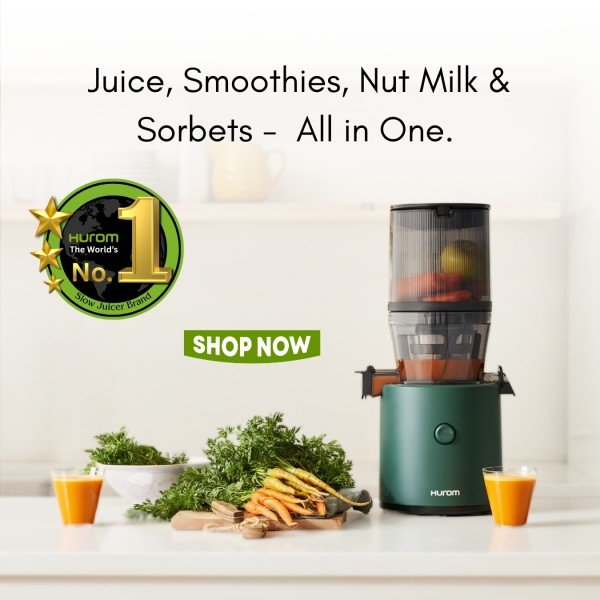
Slow juicers are not limited to juicing fruits alone. They perform well with leafy greens, hard vegetables, and even softer ingredients. Many people also use slow juicers to prepare nut milk, smoothies, and frozen desserts.
This versatility makes slow juicers suitable for households with different dietary needs. Whether someone prefers green juice, fruit blends, or plant-based milk alternatives, a slow juicer can support a wide range of healthy recipes.
Ease of Cleaning and Daily Use
One common concern people have before buying a juicer is cleaning. Modern slow juicers are designed to be user-friendly, with fewer parts and easy-to-rinse components. Choosing the best easy clean slow juicer can make a big difference in maintaining consistency with healthy habits.
When cleaning is simple, people are more likely to use their juicer regularly. Easy assembly and disassembly also add to the overall convenience, especially for everyday use.
Who Should Choose a Slow Cold Press Juicer?
Slow juicers are ideal for individuals who value nutrition, taste, and long-term wellness. They are especially suitable for families, fitness enthusiasts, and anyone looking to increase their intake of fresh fruits and vegetables without compromising quality.
Although slow juicers may have a higher upfront cost than regular juicers, the benefits they offer in terms of nutrition, juice quality, and durability make them a worthwhile investment.
Final Thoughts
Slow juicers are designed for people who want more from their juice. By using a gentle, cold-press extraction method, a slow cold-press juicer delivers better nutrition, improved taste, and higher juice yield. Understanding how slow juicers work makes it easier to appreciate why they are considered a healthier choice.
If you’re looking to build a sustainable wellness routine, investing in slow juicers—especially the best easy clean slow juicer for your lifestyle—can make healthy juicing simpler, more enjoyable, and more effective every day.