What an Ethical Elephant Care Experience in Chiang Mai Actually Involves
By Kanya Sutham 24-06-2026 193
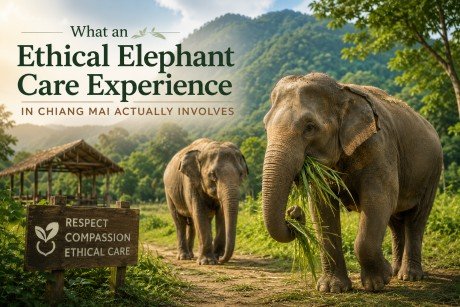
Elephants are central to Thai culture and one of the main reasons travellers visit Chiang Mai. But the way visitors interact with elephants has changed significantly in the past decade. The old model of riding, performing, and circus style entertainment is increasingly being replaced by sanctuary based experiences focused on welfare, observation, and care of rescued and retired animals.
This is what an ethical elephant care experience in Chiang Mai actually involves, and why it has become one of the most rewarding things a traveller can do in northern Thailand.
The Shift Away From Riding
Riding elephants for tourism is now widely understood to cause physical and psychological harm to the animals. The training methods used to make elephants accept riders have been documented as harmful by major animal welfare organisations. Ethical sanctuaries no longer allow riding under any circumstances. Instead, the day is built around observing elephants in spacious natural settings, feeding them, walking alongside them through the forest, and bathing them in rivers under the supervision of mahouts who have known the animals for years.
The change has been gradual but is now nearly complete in Chiang Mai's better operators. Travellers researching the region will find that most reputable sanctuaries proudly advertise no riding policies as a defining feature.
What a Typical Day Looks Like
A genuine Chiang Mai ethical elephant care experience typically starts with hotel pickup in Chiang Mai and a drive of around an hour into the mountains. On arrival there is a briefing about each elephant in the herd, their backgrounds, the welfare standards the sanctuary works to, and how to behave around the animals.
The morning is spent feeding fruit, watching the elephants roam, and in some sanctuaries walking alongside them through the forest. Lunch is often a Thai meal cooked on site by the local team. Afternoon involves river bathing, mud baths, and quiet time with the herd before the return drive. The mahouts who guide the day are usually long term members of the local community who have worked with these specific elephants for years.
Why Private Tours Suit This Experience
Group tours bring large numbers of strangers to the sanctuary at the same time. Private tours allow smaller groups, calmer interactions with the elephants, and more time at each stage of the day. The elephants themselves visibly respond better to smaller, quieter visitor numbers.
For families travelling with children, the private format also means the pace can adjust to small attention spans. For travellers genuinely interested in the elephants' stories, it means more time with the mahouts and more depth in the briefings. The day feels less like a tour and more like a visit.
How to Identify a Genuine Sanctuary
Look for no riding. Look for no performances or shows. Look for spacious natural enclosures rather than chained or fenced areas. Look for transparent information about each elephant's background and how the sanctuary acquired them. Look for small visitor to elephant ratios and a calm atmosphere rather than busy commercial energy. The best sanctuaries publish their welfare standards openly, welcome questions, and are happy to discuss the wider issues in Thai elephant tourism.
Combining the Day with Other Northern Experiences
Many travellers pair the elephant care day with another full day in the mountains. A Doi Inthanon hiking tour with private guide the following day uses the same private vehicle format and covers Thailand's highest peak, hill tribe villages, the royal stupas, and several beautiful waterfalls. It is a natural extension of the ethical wildlife and landscape theme — one day focused on animals, the next on the mountain environment they inhabit.
An ethical elephant care experience is one of the few activities in northern Thailand that improves the more thoughtful the operator. The trip is at its best when the welfare of the elephants is genuinely the centre of the day, and when you leave feeling you spent the time well and supported the right kind of operation.