Strength training places different demands on your hands depending on the exercises you perform. Pull-ups, deadlifts, rows, kettlebell movements, and weightlifting exercises can all involve repeated gripping and friction. For some athletes, weightlifting gloves can be a useful addition to their training gear by providing hand coverage and a more comfortable grip.
However, not every pair of gloves is designed for the same type of workout. Understanding materials, fit, padding, ventilation, and intended use can help you choose a pair that suits your training routine.
What Are Weightlifting Gloves?
Weightlifting gloves are training accessories designed to cover and protect the hands during strength and resistance exercises. Depending on their construction, they may provide padding across the palm, additional grip material, wrist support, or breathable sections.
Some designs cover the entire hand, while others leave the fingers partially or completely exposed. The right style depends largely on personal preference and the exercises you regularly perform.
Weightlifting gloves are not a replacement for proper lifting technique. Instead, they are an optional piece of training equipment that can make certain workouts more comfortable.
Why Do People Wear Weightlifting Gloves?
Different lifters use gloves for different reasons. One common reason is to reduce direct friction between the hands and equipment.
Repeated contact with knurled barbells, dumbbells, pull-up bars, and cable attachments can create friction on the palms. Gloves add a layer between the skin and the equipment, which some people find more comfortable during frequent training.
Another reason is grip feel. Certain gloves incorporate textured or reinforced palm materials that can provide a consistent interface between the hand and the training equipment.
Key Features to Look For
Choosing weightlifting gloves involves more than selecting a particular appearance. Several design features can influence comfort and usability.
1. Palm Padding
Padding can help provide additional cushioning between the hand and the equipment. This can be particularly useful during exercises involving repeated gripping.
However, excessive padding may change how closely your hand feels connected to the bar. Lifters who prefer a more direct grip may therefore prefer thinner palm construction.
2. Grip Material
The palm material should provide a secure and comfortable contact surface. Synthetic leather, genuine leather, rubberized materials, and specialized grip fabrics are commonly used in training gloves.
The best option depends on the equipment and exercises you use. A glove designed for general gym training may have different grip characteristics from one intended for heavy pulling exercises.
3. Wrist Support
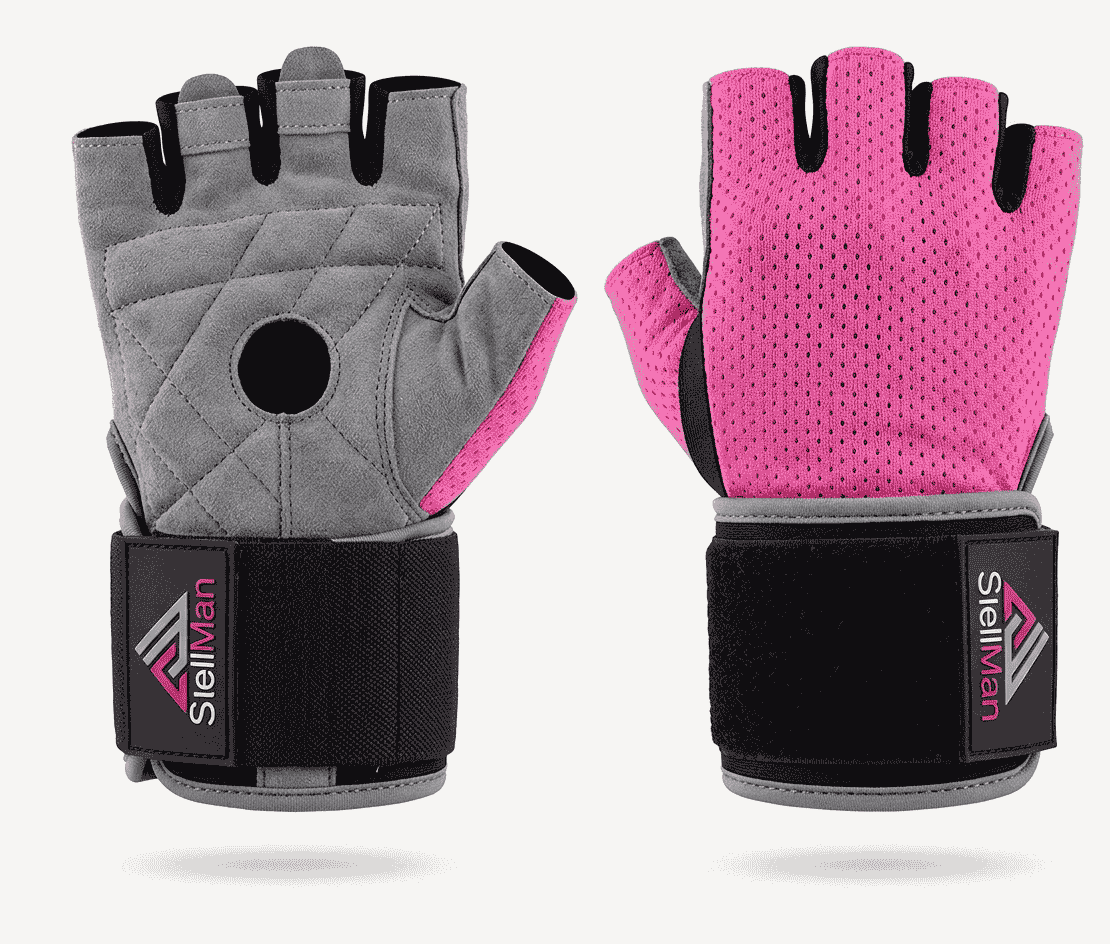
Some weightlifting gloves extend around the wrist and include an adjustable strap. This can provide additional wrist coverage and allow the fit to be adjusted.
It is important to distinguish between a glove with a wrist strap and a dedicated wrist-support product. They serve different purposes and should not be treated as interchangeable.
4. Breathability
Hands can become warm and sweaty during intense workouts. Breathable mesh or perforated materials can help improve airflow and make gloves more comfortable during longer sessions.
Ventilation is particularly useful for people who train frequently or perform high-volume workouts.
5. Fit
A proper fit is essential. Gloves that are too loose may move around during exercises, while gloves that are excessively tight can become uncomfortable.
Before purchasing, check the manufacturer's sizing guide and measure your hand according to the recommended method.
Different Types of Weightlifting Gloves
There are several glove styles available for strength training.
Full-Finger Gloves
Full-finger designs cover the fingers and palm. They can provide more hand coverage and may be useful for people who prefer additional protection between their skin and gym equipment.
Half-Finger Gloves
Half-finger gloves cover most of the palm while leaving the fingertips exposed. This design can offer a balance between hand coverage and direct finger contact.
Open-Palm Gloves
Open-palm designs leave part of the palm exposed while providing coverage around areas that experience friction. They are often chosen by athletes who want more ventilation and a less enclosed feel.
Gloves With Wrist Straps
Some training gloves include extended wrist straps for an adjustable fit. These designs can be useful for lifters who prefer additional wrist coverage while training.
Choosing Gloves for Different Workouts
Your training routine should influence the type of glove you choose.
Weight Training
For conventional strength training with dumbbells, machines, and barbells, a comfortable glove with moderate palm coverage may be suitable. Breathability and fit become particularly important during longer sessions.
Deadlifts and Rows
Pulling exercises place considerable demand on your grip. Some lifters prefer gloves with reinforced palms and a relatively thin construction so they can maintain a more natural grip on the bar.
Kettlebell Training
Kettlebell exercises involve repeated movement and changes in grip position. Flexible materials and a secure fit can be useful for this type of workout.
General Gym Training
If your workouts combine resistance machines, free weights, and bodyweight exercises, a versatile training glove may be more practical than a specialized design.
Weightlifting Gloves vs. Lifting Straps
Weightlifting gloves and lifting straps serve different purposes.
Gloves primarily provide hand coverage, cushioning, and a consistent grip surface. Lifting straps, on the other hand, are designed to connect the hands more securely to a bar during certain pulling exercises.
Some experienced lifters use both, depending on the workout. Others prefer to train without either accessory to develop their natural grip.
The choice ultimately depends on your training goals, exercise selection, comfort, and personal preference.
How to Get the Right Fit
A good fit should feel secure without restricting normal hand movement.
Start by measuring the circumference or length of your hand according to the manufacturer's sizing instructions. Compare your measurement with the available size chart rather than selecting a size based solely on your usual clothing or glove size.
When trying gloves on, check that the fingers do not feel excessively compressed and that the palm material does not bunch up when you close your hand around a bar.
Adjustable wrist closures can make it easier to achieve a secure fit.
Caring for Your Weightlifting Gloves
Training gloves come into regular contact with sweat, gym equipment, and other surfaces, so proper care is important.
Follow the manufacturer's cleaning instructions. Some gloves can be hand-washed, while others require specific cleaning methods. Avoid using cleaning products that may damage leather, synthetic materials, stitching, or grip surfaces.
Allow gloves to dry completely after training instead of leaving them inside a closed gym bag. Regular cleaning and proper storage can help maintain their condition.
Are Weightlifting Gloves Necessary?
Weightlifting gloves are optional. Many athletes train successfully without them, while others prefer using them during particular exercises or training sessions.
The decision comes down to personal comfort, grip preference, training frequency, and the type of equipment being used.
If you experience discomfort while gripping equipment, trying a properly fitted pair may help determine whether gloves work well for your training style. At the same time, gloves should not be used to compensate for poor technique or an unsuitable training load.
Final Thoughts
The right weightlifting gloves can be a practical addition to a strength-training routine. Features such as palm construction, grip material, ventilation, wrist coverage, and fit all affect how a glove performs during exercise.
Rather than choosing a pair based only on appearance, consider the exercises you perform most often and how you prefer your hands to feel when gripping equipment. A well-fitting pair that matches your training style can become a useful part of your gym gear.
Whether you primarily lift weights, train with kettlebells, use resistance machines, or combine several forms of strength training, selecting equipment based on your individual needs can make your workouts more comfortable and consistent.