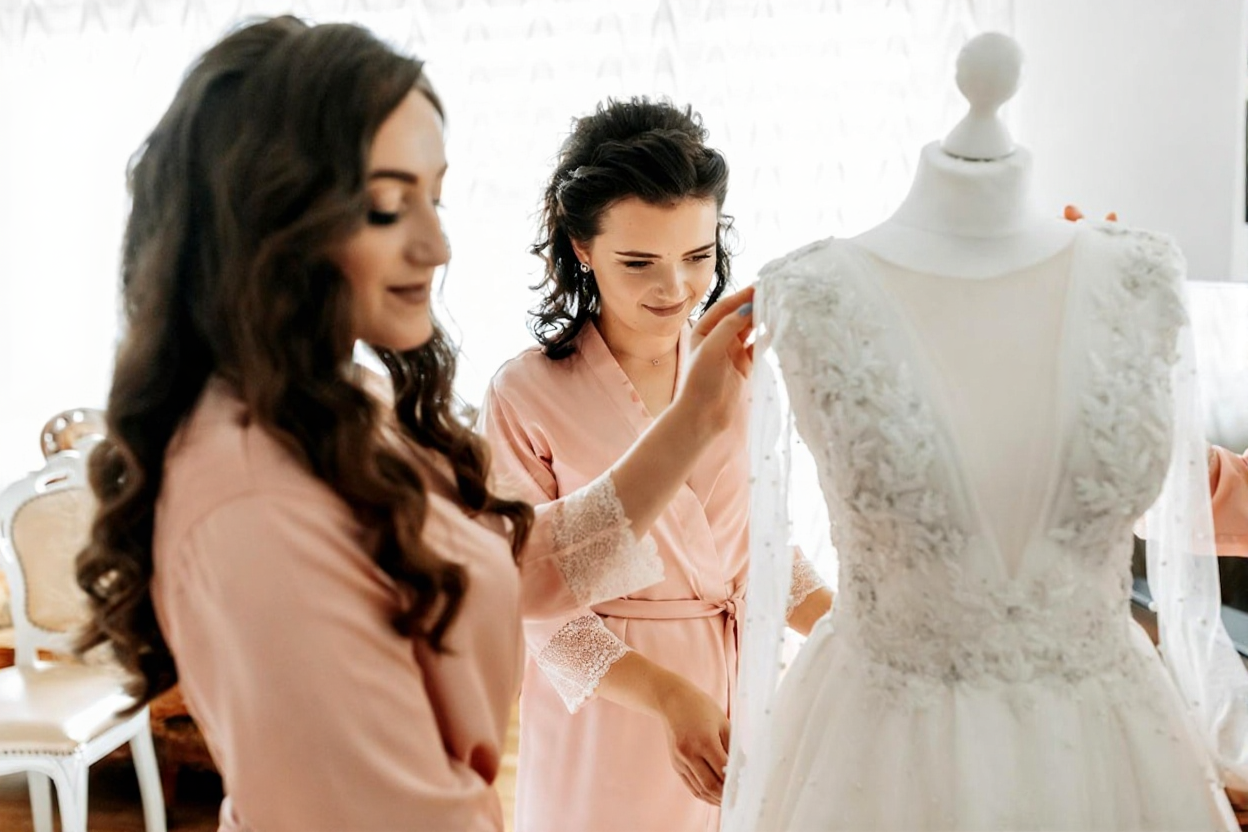
Finding your wedding dress is a memorable milestone, but it’s only part of the journey to achieving your perfect bridal look. Even the most beautiful gown rarely fits perfectly straight off the rack. This is where wedding dress alterations come in—transforming a lovely dress into your dress, one that fits your body, your comfort, and your vision for the big day.
For most brides, bridal gown alterations are essential to ensure the dress feels secure, comfortable, and flattering from ceremony to reception. Understanding how alterations work, what to expect, and how to prepare can save time, reduce stress, and help you feel confident every step of the way.
This guide covers everything brides should know about wedding dress alterations, from timing and costs to fittings and common adjustments.
Why Wedding Dress Alterations Are So Important
Wedding dresses are designed using standard sizing, which rarely aligns perfectly with real bodies. Alterations ensure that your gown fits you, rather than forcing you to adjust your posture or movement to suit the dress.
Proper alterations:
Improve comfort and mobility
Enhance the overall silhouette
Prevent slipping, bunching, or pulling
Ensure the dress photographs beautifully
Help you feel confident and relaxed
A well-altered dress allows you to walk, sit, dance, and celebrate without distraction.
When to Start Your Wedding Dress Alterations
Timing is one of the most important factors in wedding dress alterations. Most brides should begin alterations about 8–12 weeks before the wedding, though complex dresses may require more time.
Starting early allows room for:
Multiple fittings
Fabric settling or adjustments
Minor body changes
Unexpected design tweaks
Avoid starting too early if your weight or measurements may change significantly, but don’t wait until the last minute—rush alterations often cost more and limit your options.
Common Types of Wedding Dress Alterations
Some alterations are more common than others, and most brides will need at least a few adjustments.
Typical wedding dress alterations include:
Hemming the length
Taking in or letting out the bodice
Adjusting straps or sleeves
Bustle installation
Waist and hip shaping
Neckline adjustments
Adding cups or internal support
These changes refine the fit and ensure the gown complements your proportions.
How Many Fittings Should You Expect?
Most brides will need two to four fittings, depending on the complexity of the dress and the number of alterations required.
A typical fitting timeline looks like this:
First fitting: Major adjustments are pinned and discussed
Second fitting: Fit is refined, details are adjusted
Final fitting: Dress is checked with shoes and accessories
Bringing your wedding shoes and undergarments to fittings is essential for accurate results.
Choosing the Right Seamstress or Tailor
Not all tailors specialize in wedding dresses. Bridal gowns often involve delicate fabrics, internal structure, and intricate detailing that require specific expertise.
When choosing a professional:
Look for experience with bridal wear
Ask to see examples of past work
Read reviews or get referrals
Confirm timelines and pricing upfront
A skilled bridal seamstress understands how to preserve the integrity of the dress while achieving a perfect fit.
What to Bring to Your Alteration Appointments
Being prepared helps ensure accurate alterations and smooth fittings.
Bring:
Your wedding shoes
Any shapewear or undergarments you’ll wear
Accessories like veils or belts (if relevant)
Reference photos or inspiration
A trusted friend if you want a second opinion
Wearing your hair in a similar style to your wedding day can also help visualize the final look.
How Long Wedding Dress Alterations Take
Alteration timelines vary depending on dress style, fabric, and required changes. Simple alterations may take a few weeks, while complex gowns with lace, beading, or multiple layers can take longer.
Factors that affect timing include:
Number of fittings
Fabric delicacy
Structural changes
Peak wedding season demand
Starting early ensures you won’t feel rushed and allows time for careful craftsmanship.
Understanding Alteration Costs and Budgeting
Alteration costs vary widely and depend on the complexity of the work rather than the price of the dress itself.
Typical factors affecting cost:
Number of alterations needed
Dress construction and fabric
Hand-sewn details
Time required
It’s wise to allocate 10–20% of your dress budget for alterations. Always request a quote early to avoid surprises.
Alterations for Different Wedding Dress Fabrics
Each fabric behaves differently and requires a specific approach.
Lace: Time-intensive and delicate, especially with patterns
Satin: Shows seams easily, requires precision
Chiffon: Lightweight but can shift during alterations
Tulle: Layered hems can increase labor
Beaded fabrics: Require careful handwork
Experienced bridal professionals know how to work with each fabric while maintaining the gown’s original design.
Customizing Your Dress Through Alterations
Alterations aren’t just about fit—they’re also an opportunity to personalize your gown.
Popular customization options include:
Adding sleeves or straps
Modifying necklines
Creating a custom bustle
Shortening or removing a train
Enhancing structure or support
These thoughtful changes can make an off-the-rack dress feel truly unique.
Bustles: What Brides Should Know
Bustles allow you to lift and secure your train for the reception, making movement easier.
Common bustle types include:
American bustle (over-bustle)
French bustle (under-bustle)
Ballroom bustle
Your seamstress will recommend the best option based on your dress style and fabric weight.
Common Wedding Dress Alteration Mistakes to Avoid
Avoid these common pitfalls:
Buying a dress that’s too small
Waiting too long to book alterations
Skipping fittings
Changing shoes after hemming
Ignoring comfort for appearance
Choosing a dress that fits your largest measurement makes alterations easier and more successful.
Final Fitting Tips Before the Wedding Day
Your final fitting usually happens 1–2 weeks before the wedding. At this appointment:
Walk, sit, and move in the dress
Check comfort and support
Practice bustling the train
Confirm everything feels secure
If something doesn’t feel right, speak up—small adjustments can still be made.
Storing and Transporting Your Altered Dress
Once alterations are complete:
Store the dress in a breathable garment bag
Keep it away from direct sunlight
Hang it safely or lay it flat if recommended
If traveling, ask your seamstress for packing advice to prevent wrinkles or damage.
Confidence Comes From the Right Fit
A perfectly altered wedding dress doesn’t just look beautiful—it feels right. When your gown fits properly, you can focus on celebrating, connecting, and enjoying every moment of your wedding day.
Alterations are an investment in comfort, confidence, and peace of mind. They ensure your dress supports you—not the other way around.
Final Thoughts
Wedding dress alterations are a crucial step in the bridal journey. By understanding the process, planning ahead, and working with experienced professionals, you can transform your gown into a flawless reflection of your style and personality.
Your wedding dress should move with you, support you, and make you feel radiant. With the right alterations, it will.