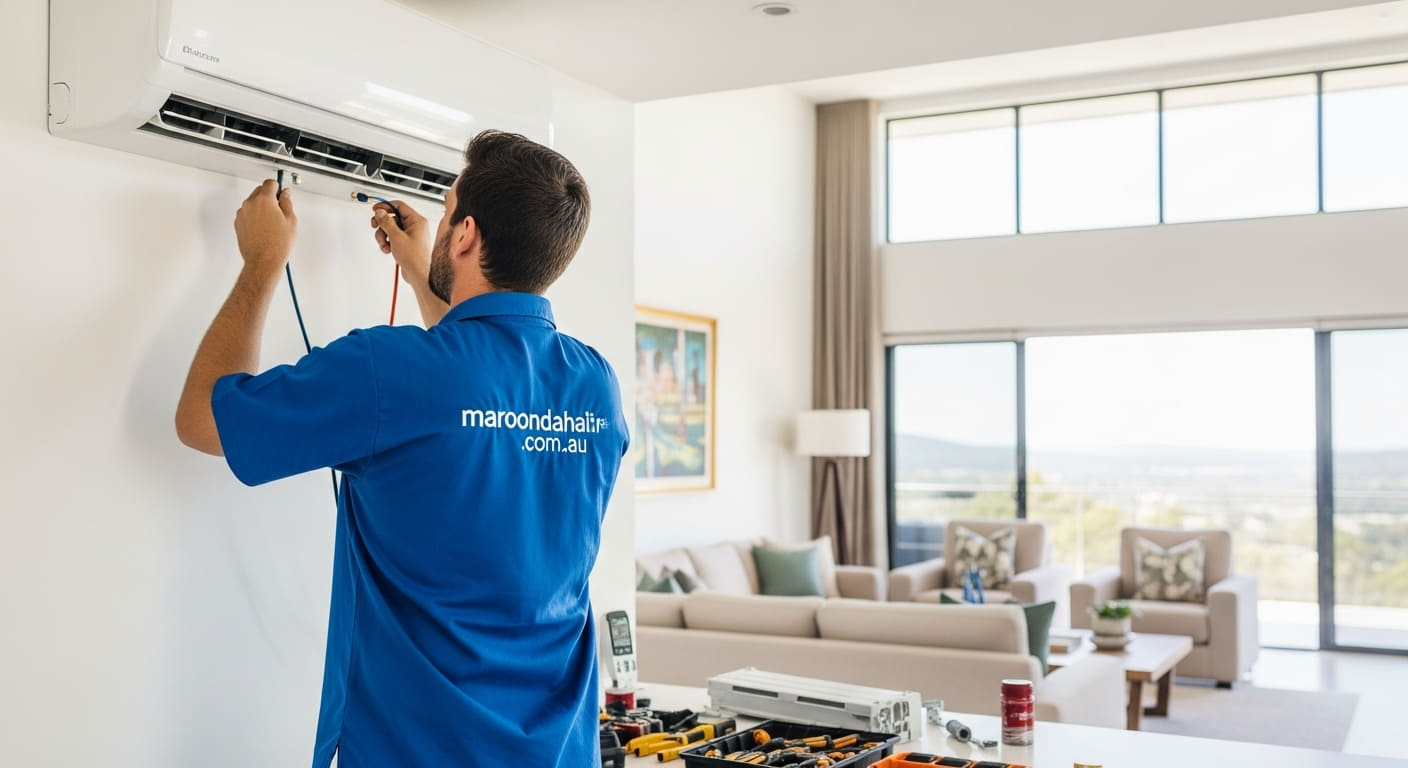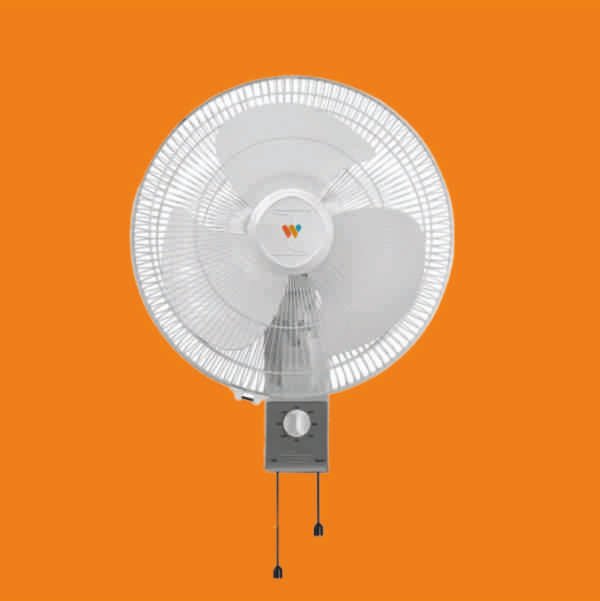
In today’s world, space optimization and comfort have become essential aspects of home and office design. While ceiling fans and pedestal fans have long dominated the cooling segment, the wall hanging table fan has emerged as a versatile and practical option. Compact, efficient, and stylish, these fans combine the portability of table fans with the convenience of wall-mounted designs. Whether you live in a compact apartment, work in a busy office, or want better airflow in your shop, a wall hanging table fan offers the right balance between functionality and aesthetics.
This article explores the features, benefits, uses, types, installation tips, and maintenance guidelines of wall hanging table fans to help you understand why they are becoming increasingly popular.
Understanding Wall Hanging Table Fans
A wall hanging table fan is essentially a hybrid device. It retains the structure and design of a traditional table fan but comes with a wall-mounting provision. This dual feature allows users to place the fan on a desk, shelf, or countertop, or mount it securely on a wall when space is limited.
Unlike ceiling fans, which provide uniform air circulation across a wide area, wall hanging table fans are designed to provide direct, focused airflow. This makes them highly effective in small or crowded spaces where controlled cooling is required.
Most modern models also come with oscillation, multiple speed settings, and tilt-adjustable heads, ensuring users can direct airflow according to their needs.
Key Features of Wall Hanging Table Fans
Wall hanging table fans are packed with features that make them practical and user-friendly:
Dual Functionality
They can be used as a tabletop fan or mounted on a wall, offering flexibility depending on the environment.
Compact Size
Most models are designed to be space-efficient. Their compact build makes them suitable for bedrooms, study rooms, kitchens, shops, or offices.
Oscillation
Oscillation allows airflow to spread across a wider area, ensuring that the fan cools more than one person at a time.
Adjustable Tilt
The tilt mechanism helps direct air at a specific angle, making it useful when cooling a targeted spot.
Multiple Speed Settings
From low to high speeds, users can adjust airflow intensity based on their comfort level.
Energy Efficient
Wall hanging table fans generally consume less power compared to air conditioners or large ceiling fans.
Lightweight and Portable
Even though they can be mounted on a wall, they remain lightweight and easy to move around.
Stylish Designs
Many modern fans feature sleek, minimalistic, or contemporary designs to complement modern interiors.
Advantages of Wall Hanging Table Fans
Choosing a wall hanging table fan over traditional cooling devices comes with a host of benefits:
1. Space Saving
In compact homes or offices, floor and desk space is precious. Mounting the fan on the wall frees up space while still providing effective cooling.
2. Versatility
These fans can be easily shifted from one room to another or switched between tabletop and wall-mounted modes.
3. Cost Effective
Compared to air conditioners, coolers, or even high-end ceiling fans, wall hanging table fans are affordable and cost-effective to operate.
4. Targeted Airflow
Unlike ceiling fans that circulate air across a room, wall hanging table fans provide direct airflow, making them ideal for focused cooling.
5. Low Maintenance
Cleaning and maintaining these fans is simpler than dealing with larger appliances.
6. Energy Savings
Their lower wattage helps reduce electricity bills, making them an eco-friendly option.
7. Durability
Many models are built with robust plastic or metal grills and blades, ensuring long-term use.
Common Uses of Wall Hanging Table Fans
Wall hanging table fans are extremely versatile, and their applications span across different spaces:
Homes
They are perfect for small rooms, kitchens, or balconies where ceiling fans may not be practical.
Offices
Ideal for employees who prefer personal cooling in addition to centralized air conditioning.
Shops and Commercial Spaces
Retail shops, salons, and small businesses often use these fans to provide cooling for both employees and customers.
Workshops and Garages
In places where heat builds up due to machinery, a wall hanging table fan provides much-needed airflow.
Outdoor Use
They can also be used in verandas, patios, or outdoor sitting areas.
Types of Wall Hanging Table Fans
While the basic functionality remains the same, wall hanging table fans come in different types based on design and technology:
Basic Wall Hanging Table Fan
These are simple models with oscillation, speed settings, and adjustable tilt.
Remote-Controlled Fans
Some advanced models come with remote controls for added convenience.
Rechargeable Fans
Equipped with built-in batteries, these fans can run even during power outages, making them ideal for areas with frequent power cuts.
Silent or Noise-Reduced Models
Designed for bedrooms or offices, these fans operate quietly.
Industrial Wall Hanging Table Fans
Larger and more powerful, these are suitable for warehouses, workshops, or large shops.
Factors to Consider Before Buying
Before purchasing a wall hanging table fan, consider the following:
Size and Power: Choose according to the size of the room or space.
Oscillation Angle: Wider oscillation covers more area.
Build Quality: Look for durable materials like strong plastic or metal.
Noise Level: Check if the fan operates quietly, especially for bedroom or office use.
Energy Consumption: Pick energy-efficient models to save on bills.
Mounting Options: Ensure the fan comes with easy wall-mounting hardware.
Brand Reputation: Opt for trusted brands for better reliability and after-sales service.
Installation Tips
Installing a wall hanging table fan is straightforward but requires some care:
Choose the Right Spot: Mount the fan at a height where it can circulate air effectively without obstruction.
Secure Mounting: Use strong screws and wall plugs to ensure the fan is stable.
Electrical Connection: Ensure the fan is close to a power socket to avoid long, dangling wires.
Adjust Tilt and Oscillation: Once installed, set the tilt and oscillation according to your preferred airflow direction.
Maintenance and Care
To keep a wall hanging table fan functioning effectively, follow these maintenance tips:
Regular Cleaning: Dust and dirt often accumulate on blades and grills. Clean them with a damp cloth or mild soap solution.
Lubrication: Some models may require occasional lubrication of the motor.
Check Screws and Mounting: Periodically inspect the wall mount to ensure the fan is securely fixed.
Avoid Overuse: Give the fan breaks during long hours of operation to prevent motor overheating.
Store Properly: If not in use for a long time, cover the fan to prevent dust buildup.
Each brand offers a range of models with unique features like remote control, sleek designs, or rechargeable batteries.
Why Choose a Wall Hanging Table Fan?
In an era where space-saving and energy efficiency are priorities, wall hanging table fans provide the perfect middle ground. They deliver targeted cooling without consuming much power, are easy to install, and cost significantly less than air conditioning or even some high-end ceiling fans. Their dual functionality ensures flexibility, while their compact size makes them suitable for modern homes and offices where every square inch matters.
Final Thoughts
The wall hanging table fan is more than just a cooling device—it’s a practical solution for modern lifestyles. With its combination of portability, space-saving design, energy efficiency, and affordability, it caters to the needs of households, offices, and commercial establishments alike. Whether you need a fan to beat the summer heat in your bedroom, ensure comfort in your shop, or add airflow to your office cubicle, a wall hanging table fan is a reliable choice.
As technology advances, newer models are becoming smarter, quieter, and more stylish, making them not only functional but also a part of contemporary décor. For anyone seeking a blend of convenience, efficiency, and value for money, the wall hanging table fan stands out as a cooling companion worth investing in.