Chronic and complex wounds present a major challenge in healthcare, often leading to prolonged hospital stays, higher infection risk, and increased treatment costs. Modern wound care has evolved significantly, and one of the most effective innovations is the VAC dressing machine. Also known as Negative Pressure Wound Therapy (NPWT), this technology has transformed the way clinicians manage difficult wounds by accelerating healing and improving patient outcomes.
In this guide, we’ll explore what a VAC dressing machine is, how it works, its clinical benefits, applications, and why it has become a gold standard in advanced wound care.
What Is a VAC Dressing Machine?
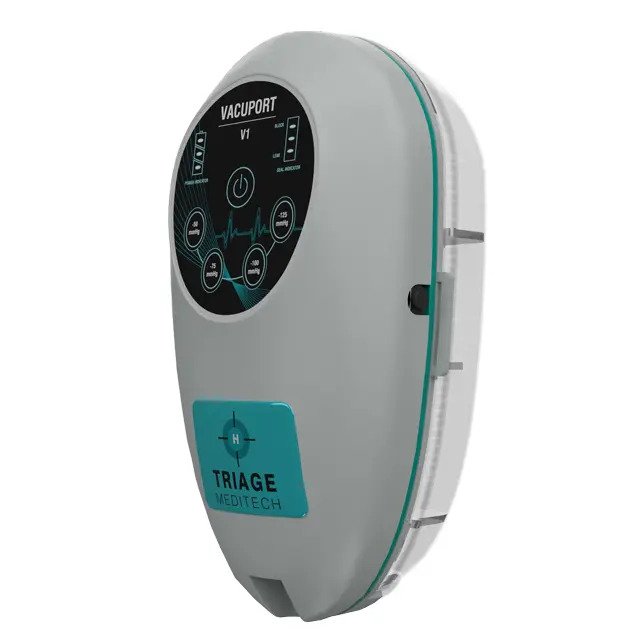
A VAC dressing machine is a medical device used in negative pressure wound therapy (NPWT). It applies controlled suction to a wound through a sealed dressing system. This negative pressure helps remove excess fluid, reduce bacterial load, and promote faster tissue regeneration.
The system typically includes:
A vacuum pump
Specialized foam or gauze dressing
Adhesive drape to create an airtight seal
Tubing and a collection canister for wound exudate
How Does a VAC Dressing Machine Work?
The VAC dressing machine creates a sub-atmospheric pressure environment at the wound site. This pressure triggers multiple physiological responses that support healing.
Key Mechanism of Action
Fluid removal: Excess exudate and edema are continuously removed
Improved blood flow: Negative pressure enhances microcirculation
Reduced infection risk: Bacterial count decreases due to fluid control
Faster granulation: Mechanical stress stimulates new tissue growth
Together, these effects create an ideal environment for wound healing.
Benefits of Using a VAC Dressing Machine
The VAC dressing machine offers both clinical and operational advantages, making it widely adopted in hospitals and wound care centers.
Clinical Benefits
Accelerates wound closure
Reduces wound size and depth
Lowers infection and complication rates
Promotes healthy granulation tissue
Patient Benefits
Fewer dressing changes compared to conventional methods
Reduced pain and discomfort
Faster recovery and shorter hospital stays
Healthcare System Benefits
Cost-effective long-term wound management
Decreased need for surgical interventions
Improved overall treatment outcomes
Common Medical Applications of VAC Dressing Machines
VAC therapy is versatile and used across multiple specialties.
Acute and Chronic Wounds
Diabetic foot ulcers
Pressure ulcers (bed sores)
Venous leg ulcers
Surgical and Traumatic Wounds
Post-operative wounds
Open fractures
Dehisced surgical incisions
Burns and Grafts
Partial-thickness burns
Skin graft fixation
Flap management
Types of VAC Dressing Machines
VAC dressing machines are available in different configurations to suit various care settings.
Hospital-Grade VAC Machines
High suction capacity
Continuous or intermittent therapy modes
Ideal for severe and complex wounds
Portable VAC Dressing Machines
Lightweight and battery-operated
Suitable for home care and outpatient use
Improves patient mobility and comfort
Safety and Clinical Considerations
While VAC therapy is highly effective, it must be used under proper medical supervision.
Contraindications Include
Untreated osteomyelitis
Malignancy in the wound
Exposed organs or blood vessels
Necrotic tissue with eschar
Proper wound assessment, dressing selection, and pressure settings are essential to ensure safe and effective treatment.
Why VAC Dressing Machines Are the Future of Wound Care
With the global rise in diabetes, trauma cases, and surgical procedures, the demand for advanced wound care solutions continues to grow. The VAC dressing machine stands out as a clinically proven, evidence-based therapy that improves healing speed, reduces complications, and enhances quality of life for patients.
As technology advances, newer VAC systems are becoming smarter, more portable, and easier to use—making them accessible across hospitals, clinics, and home healthcare settings.
Conclusion
The VAC dressing machine has revolutionized modern wound management by combining science, technology, and clinical expertise. Its ability to promote faster healing, reduce infection risk, and improve patient comfort makes it an indispensable tool in advanced wound care. When used appropriately, VAC therapy not only improves outcomes but also sets a new standard for effective and efficient wound healing.