Understanding the Compass of Shame: A Framework for Addressing Racial Equity in Educational Settings
By gened 17-09-2025 128
Educational environments often become challenging spaces when addressing issues of racial equity and social justice. These discussions frequently trigger deep emotional responses that can derail meaningful progress. Understanding how individuals respond to feelings of discomfort becomes crucial for creating productive dialogue and lasting change in schools and communities.
The emotional responses people display during equity conversations reveal important patterns about human behavior. When confronted with information that challenges existing beliefs or practices, individuals naturally experience discomfort. This discomfort often manifests as defensive behaviors that can block authentic learning and growth opportunities.
Research shows that shame plays a significant role in how people respond to discussions about privilege, bias, and systemic inequities. These conversations can activate protective mechanisms that prevent genuine engagement with difficult topics. Recognizing these patterns helps educators and leaders create more effective approaches to addressing racial equity challenges.
Compass of Shame and Its Four Response Patterns
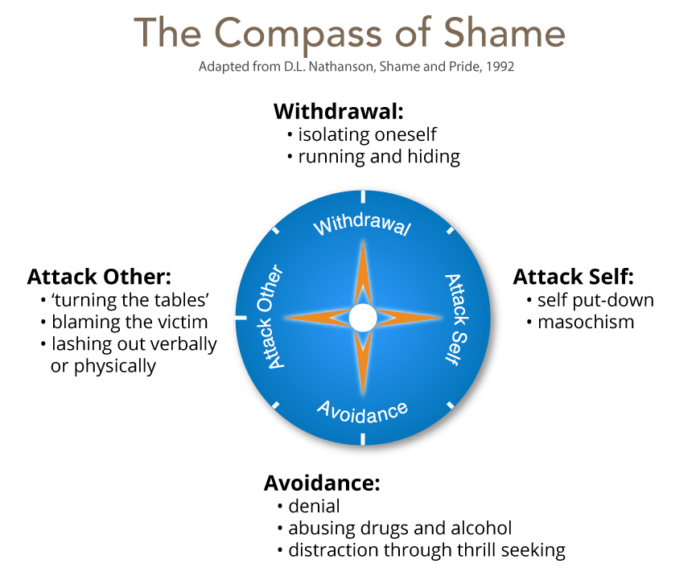
The compass of shame provides a valuable framework for understanding how people typically respond when experiencing feelings of shame or discomfort. This model identifies four distinct patterns that individuals use to manage these difficult emotions. Each response pattern represents a different strategy for coping with the internal discomfort that arises during challenging conversations.
These four response patterns include attacking others, attacking self, avoidance, and withdrawal. Each pattern serves as a psychological defense mechanism that helps individuals manage uncomfortable feelings. However, these responses often prevent meaningful engagement with important issues and can actually perpetuate the problems they are meant to address.
Understanding these patterns helps educators and leaders recognize when shame responses are interfering with productive dialogue. This awareness creates opportunities to redirect conversations toward more constructive outcomes. When people understand their own shame responses, they can begin to choose more effective ways of engaging with difficult topics.
Historical Context and Implementation by Organizations Like akoben.org
Educational organizations across the country have begun incorporating frameworks like the compass of shame into their equity work. These organizations recognize that addressing racial disparities requires understanding the psychological barriers that prevent meaningful change. Akoben.org and similar organizations have demonstrated how this framework can transform difficult conversations into opportunities for growth and learning.
The implementation of shame awareness in educational settings represents a significant shift from traditional approaches to diversity training. Rather than simply providing information about bias and discrimination, this approach addresses the emotional responses that often derail equity work. Organizations have found that acknowledging shame responses creates more authentic and sustainable change processes.
Community-based organizations have pioneered innovative approaches that combine shame awareness with practical strategies for addressing racial inequities. These organizations understand that lasting change requires both emotional intelligence and concrete action steps. Their work demonstrates how psychological frameworks can enhance traditional equity initiatives.
Leadership Perspectives and Expert Insights
Educational leaders have increasingly recognized the importance of addressing shame responses in their equity work. They understand that technical solutions alone cannot address the deeply rooted emotional barriers that maintain racial disparities in schools. Effective leadership requires both intellectual understanding and emotional intelligence to navigate these complex dynamics.
Dr Malik Muhammad and other experts emphasize the importance of creating safe spaces for difficult conversations about race and equity. These leaders advocate for approaches that acknowledge the discomfort inherent in equity work while providing frameworks for moving through that discomfort productively. Their work demonstrates how shame awareness can enhance rather than replace traditional equity strategies.
Professional development programs increasingly incorporate shame awareness into their training curricula. These programs help educators recognize their own shame responses and develop strategies for managing them effectively. This approach creates more authentic engagement with equity issues and produces more sustainable change outcomes.
Community Implementation and Advocacy Approaches
Community advocates play crucial roles in helping educational institutions implement shame-aware equity approaches. These advocates understand that sustainable change requires community-wide engagement and support. They work to create environments where difficult conversations about race can happen safely and productively.
Iman Shabazz and similar community leaders emphasize the importance of grassroots involvement in educational equity initiatives. They recognize that change must happen at multiple levels within educational systems and communities. Their work demonstrates how community engagement can support and enhance school-based equity efforts.
Successful community implementation requires collaboration between schools, families, and community organizations. This collaborative approach ensures that equity work extends beyond school walls and becomes integrated into broader community efforts. Community advocates help create the social support necessary for sustaining difficult but necessary conversations about racial equity.
Practical Applications of the Framework in Educational Settings
Educational institutions can apply the compass of shame framework in various ways to improve their equity efforts. Training programs can help staff members recognize shame responses in themselves and others during equity-related discussions. This awareness allows for more skillful facilitation of difficult conversations and better outcomes overall.
The framework also helps explain why some equity initiatives fail to produce lasting change. When shame responses are not addressed, they can undermine even well-designed programs and policies. Understanding these dynamics allows educators to develop more comprehensive approaches that address both practical and emotional barriers to equity.
Professional learning communities can use the compass of shame as a tool for examining their own responses to equity challenges. This self-reflection process helps teams identify areas where shame responses might be interfering with their work. Regular use of this framework creates more honest and productive team dynamics.
Research Evidence and Effectiveness Outcomes
Studies examining shame-aware approaches to equity work show promising results across various educational settings. Research indicates that acknowledging and addressing shame responses leads to more authentic engagement with equity issues. Participants in programs that incorporate shame awareness report feeling more capable of engaging in difficult conversations about race.
Data from schools implementing these approaches show improvements in both process and outcome measures. Staff report greater comfort with equity-related discussions and increased willingness to examine their own biases and practices. Students benefit from more authentic adult engagement with issues that affect their educational experiences.
Longitudinal studies suggest that shame-aware approaches produce more sustainable change than traditional diversity training programs. The framework appears to address some of the emotional barriers that prevent lasting transformation in educational institutions. This research supports continued investment in approaches that integrate psychological frameworks with equity work.
Building Sustainable Change Through Shame Awareness
Creating lasting change in educational equity requires addressing the emotional dimensions of this work alongside practical strategies. The compass of shame framework provides tools for navigating the inevitable discomfort that arises when examining racial disparities and their causes. This approach helps create more authentic and sustainable transformation processes.
Successful implementation requires ongoing commitment from leadership and continuous learning opportunities for all staff members. Organizations must create cultures that normalize discussions about shame and discomfort while maintaining focus on equity outcomes. This balance requires skillful leadership and community support.
The ultimate goal involves creating educational environments where discussions about race and equity can happen naturally and productively. This requires transforming institutional cultures to support honest reflection and continuous improvement. Shame awareness provides one important tool for achieving this transformation.
Future Directions and Expanding Impact
The integration of psychological frameworks like the compass of shame into equity work represents an evolving approach to addressing educational disparities. Future developments likely include more sophisticated training programs and assessment tools that help organizations measure their progress in addressing shame responses. Research will continue to refine understanding of how these approaches work most effectively.
Technology may play increasing roles in delivering shame-aware equity training and providing ongoing support for difficult conversations. Online platforms could provide safe spaces for practicing new skills and receiving feedback on equity-related interactions. These tools could make shame-aware approaches more accessible to educational organizations with limited resources.
The long-term vision involves educational systems where shame awareness becomes integrated into standard practices rather than requiring special interventions. This integration would create more psychologically safe environments for addressing racial equity and other challenging social justice issues. Achieving this vision requires continued research, advocacy, and commitment from educational leaders and communities.