Understanding Respite Care at Home UK and How It Supports Families
By Eliana Claudious 06-01-2026 58
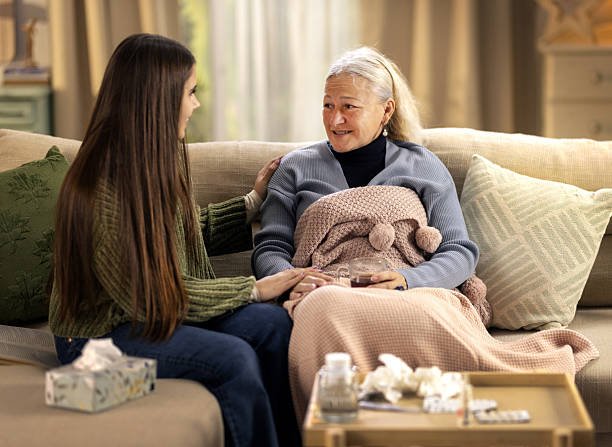
Caring for a loved one can be deeply rewarding, but it can also be physically and emotionally demanding. Across the UK, thousands of family carers provide daily support to elderly relatives while balancing work, family life, and their own wellbeing. This is where respite care at home UK plays a vital role.
Respite care offers temporary support that allows family carers to take a break, recharge, and attend to personal commitments—while ensuring their loved one continues to receive safe, professional care at home. In this article, we explore what respite care at home is, how it works, and why it has become an essential service for modern families.

What Is Respite Care at Home UK?
Respite care at home UK is a short-term care service provided in the individual’s own home. Rather than moving an elderly person into a residential facility, a trained caregiver steps in to provide temporary support. This may be for a few hours, several days, or even a few weeks, depending on the family’s needs.
This form of care is particularly popular among families who want continuity, familiarity, and minimal disruption to daily routines. It also offers peace of mind, knowing that loved ones are being cared for in a safe and comfortable environment.
Who Can Benefit from Respite Care?
Respite care is not only for elderly individuals with complex needs. It can support a wide range of situations, including:
Family carers needing time off due to illness or exhaustion
Planned holidays or work commitments
Emergency situations
Recovery periods following medical treatment
Transitional care after hospital stays
In many cases, respite care for elderly UK families helps prevent carer burnout and supports long-term caregiving arrangements.
Short-Term Respite Care: Flexible and Adaptable Support
One of the biggest advantages of respite services is flexibility. Short-term respite care can be arranged for as little or as long as required. Whether a carer needs a weekend break or a few weeks of support, care plans can be tailored accordingly.
Short-term respite care may include:
Personal care (washing, dressing, toileting)
Medication reminders
Meal preparation
Mobility support
Companionship and reassurance
This flexibility ensures families remain in control while receiving the support they need, when they need it most.

Supporting Recovery: Respite Care After Hospital Discharge
Hospital discharge can be a challenging time, especially for elderly patients. Recovery often requires additional support, monitoring, and assistance with daily activities. Respite care after hospital discharge provides a safe transition from hospital to home.
A professional caregiver can:
Assist with mobility and rehabilitation routines
Ensure medications are taken correctly
Monitor recovery and spot early warning signs
Reduce the risk of readmission
For families who may not be able to provide full-time care immediately, respite care at home UK offers reassurance during this critical period.
Emotional and Practical Benefits for Families
Reducing Carer Stress and Burnout
Providing ongoing care can take a toll on physical and mental health. Without regular breaks, family carers are at risk of fatigue, stress, and emotional exhaustion. Respite care allows carers to rest, attend appointments, or simply take time for themselves.
By supporting carers as well as care recipients, respite care for elderly UK plays a crucial role in maintaining healthy family dynamics.
Continuity and Familiarity for Loved Ones
Moving into unfamiliar surroundings can be distressing for elderly individuals, particularly those living with dementia or anxiety. Respite care delivered at home ensures routines, surroundings, and comforts remain unchanged.
This continuity reduces confusion, promotes emotional wellbeing, and helps individuals feel secure while receiving temporary care.
Why Choose Professional Respite Care at Home?
A reputable care provider ensures that respite care is delivered by trained, experienced professionals who understand the complexities of elderly care. Services are regulated, monitored, and supported by care managers to ensure consistent quality.
Providers such as Safehands Live-In Care offer personalised respite solutions, carefully matching carers to individuals and ensuring continuity of care. Their approach focuses on dignity, safety, and compassionate support for both families and loved ones.
Respite Care as Part of Long-Term Care Planning
Many families view respite care as a temporary solution, but it can also form part of a longer-term care strategy. Regular respite periods can make ongoing family care more sustainable, helping carers continue in their role without becoming overwhelmed.
In some cases, respite care may also introduce families to wider home care options, offering reassurance and confidence in professional support services.
Why Families Trust Safehands Live-In Care
Safehands Live-In Care is a trusted UK provider offering high-quality home care and respite services. Their experienced carers deliver short-term and longer-term support tailored to individual needs, ensuring families receive reliable, flexible care solutions.
With a strong focus on communication, safety, and person-centred care, Safehands supports families during both planned and unexpected care situations.
Final Thoughts
Respite care at home UK is an invaluable service that supports both elderly individuals and their families. By offering flexible, short-term care in familiar surroundings, it reduces stress, improves wellbeing, and helps sustain long-term caregiving relationships. With trusted providers like Safehands Live-In Care, families can feel confident that their loved ones are in safe and compassionate hands.
Frequently Asked Questions (FAQ)
What is respite care at home UK?
Respite care at home UK provides temporary professional care in an individual’s home, allowing family carers to take a break while ensuring their loved one remains safe and supported.
How long can respite care last?
Short-term respite care can last from a few hours to several weeks, depending on the family’s needs and circumstances.
Is respite care suitable after hospital discharge?
Yes. Respite care after hospital discharge is ideal for supporting recovery, medication management, and reducing the risk of complications or readmission.
Is respite care only for the elderly?
While commonly used as respite care for elderly UK families, respite services can support adults of various ages who require temporary care.
How do I arrange respite care at home?
You can arrange respite care through a professional care provider such as Safehands Live-In Care, who will assess needs and create a tailored care plan.