Introduction
The human spine is a remarkable structure that supports our body and enables movement. However, certain conditions can severely impact its flexibility and function. One such condition results in what medical professionals call "bamboo spine." This term describes a specific appearance of the spine that develops due to chronic inflammatory disease.
Understanding this condition is essential for early detection and proper management. In this comprehensive article, we will explore everything you need to know about this spinal condition, including its causes, symptoms, diagnosis methods, and available treatment options.
What is Bamboo Spine?
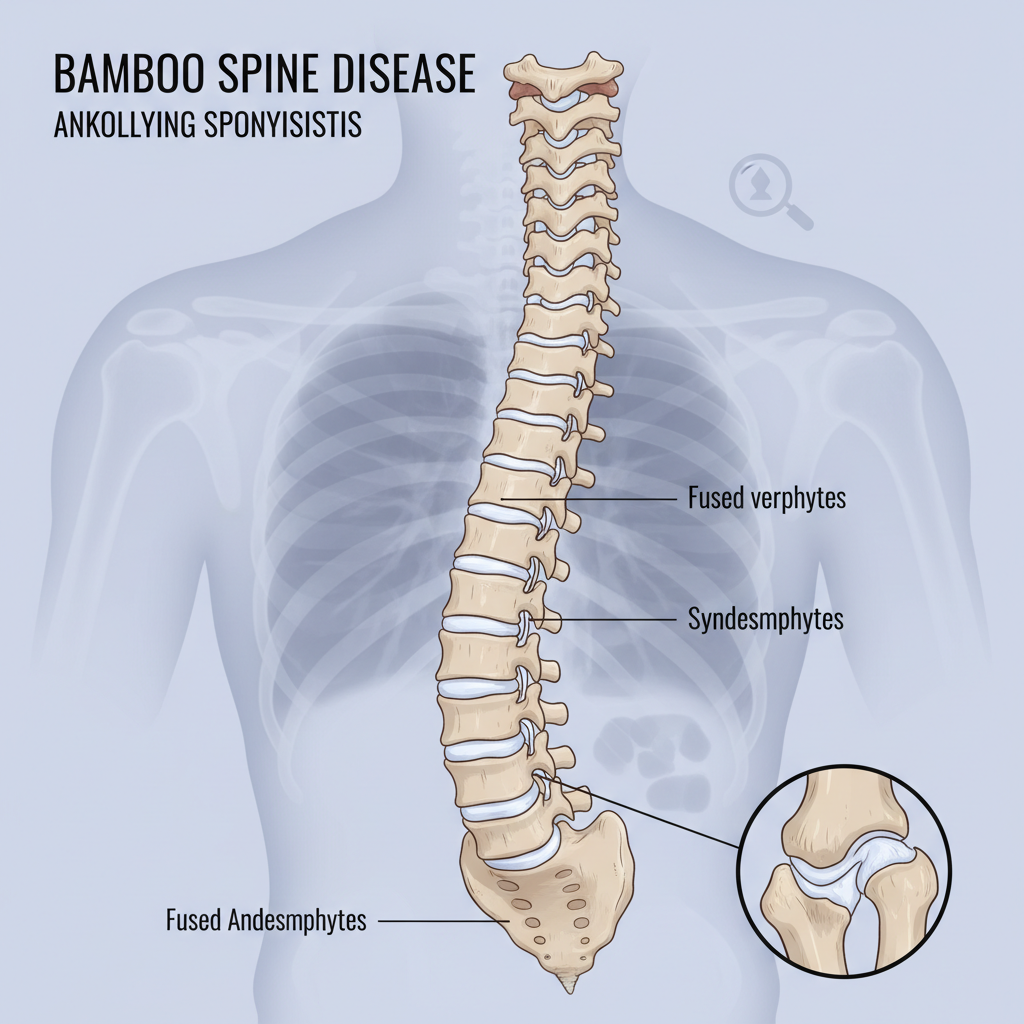
Bamboo spine refers to the characteristic appearance of the spine on X-ray images when vertebrae fuse together. The spine takes on a smooth, stick-like appearance similar to a bamboo stalk. This fusion occurs due to the formation of bony bridges between individual vertebrae.
The condition primarily develops as a result of ankylosing spondylitis, a type of inflammatory arthritis that mainly affects the spine. Over time, chronic inflammation leads to new bone formation, causing the vertebrae to grow together and lose their natural flexibility.
For those seeking detailed information, having Bamboo Spine Disease Explained properly can help patients and caregivers understand the progression and management of this condition effectively.
Causes of This Spinal Condition
Several factors contribute to the development of spinal fusion:
Primary Causes:
- 1.Ankylosing Spondylitis – The most common cause, this autoimmune condition triggers chronic spinal inflammation
- 2.Genetic Factors – The HLA-B27 gene significantly increases the risk of developing this condition
- 3.Chronic Inflammation – Long-term inflammation damages spinal joints and ligaments
Contributing Factors:
- 1.Family history of inflammatory arthritis
- 2.Age (typically begins between 17-45 years)
- 3.Gender (more common in males)
- 4.Environmental triggers
Recognizing the Symptoms
Early recognition of symptoms can lead to better outcomes. The condition develops gradually, and symptoms may vary from person to person.
Common Symptoms Include:
- Chronic lower back pain and stiffness
- Pain that worsens with rest and improves with activity
- Reduced spinal mobility and flexibility
- Fatigue and general tiredness
- Pain in hips, shoulders, and other joints
- Difficulty taking deep breaths due to rib cage involvement
- Poor posture or stooped appearance
Advanced Symptoms:
- Complete loss of spinal flexibility
- Fixed forward-stooped posture
- Difficulty looking straight ahead
- Breathing complications
- Nerve compression symptoms
How is This Condition Diagnosed?
Proper diagnosis requires a combination of clinical evaluation and imaging studies.
Diagnostic Methods:
- Physical Examination
- Assessment of spinal mobility
- Evaluation of posture and gait
- Testing range of motion
- Imaging Studies
- X-rays showing characteristic spine appearance
- MRI scans for early detection of inflammation
- CT scans for detailed bone structure analysis
- Laboratory Tests
- HLA-B27 genetic testing
- Blood tests for inflammatory markers
- Erythrocyte sedimentation rate (ESR)
- C-reactive protein (CRP) levels
Treatment Options Available
While there is no cure for the underlying condition, various treatment approaches can help manage symptoms and slow progression.
Medical Management
Medications commonly prescribed include:
- Non-steroidal anti-inflammatory drugs (NSAIDs)
- Disease-modifying antirheumatic drugs (DMARDs)
- Biologic medications targeting specific inflammatory pathways
- Pain relievers for symptom management
- Corticosteroids for acute flare-ups
Physical Therapy
Physical therapy plays a crucial role in maintaining mobility and function.
Key benefits of physical therapy:
- Preserves spinal flexibility
- Strengthens supporting muscles
- Improves posture
- Enhances breathing capacity
- Reduces pain and stiffness
Lifestyle Modifications
Patients can adopt several lifestyle changes to manage their condition:
- Regular exercise and stretching routines
- Maintaining good posture habits
- Avoiding smoking
- Following an anti-inflammatory diet
- Getting adequate rest
- Using supportive mattresses and pillows
Surgical Interventions
Surgery may be considered in severe cases:
- Spinal osteotomy to correct deformity
- Joint replacement for damaged hips or knees
- Spinal stabilization procedures
Living with This Condition
Managing life with spinal fusion requires adaptation and ongoing care.
Helpful Tips for Daily Living:
- Join support groups for emotional assistance
- Work with occupational therapists for daily task modifications
- Use assistive devices when needed
- Maintain regular medical appointments
- Stay informed about new treatment developments
Prevention and Early Intervention
While genetic factors cannot be changed, early intervention can significantly impact outcomes.
Preventive Measures:
- Seek medical attention for persistent back pain
- Maintain regular exercise habits
- Avoid smoking and excessive alcohol consumption
- Stay at a healthy weight
- Practice good posture from an early age
Conclusion
Bamboo spine represents an advanced stage of spinal involvement in ankylosing spondylitis. Understanding this condition helps patients seek timely medical care and adopt appropriate management strategies. With proper treatment, physical therapy, and lifestyle modifications, individuals can maintain quality of life and slow disease progression.
If you experience persistent back pain or stiffness, consult a healthcare professional promptly. Early diagnosis and treatment remain the best approach to managing this challenging condition and preserving spinal function for years to come.
Recognizing the Symptoms
Recognizing the Symptoms