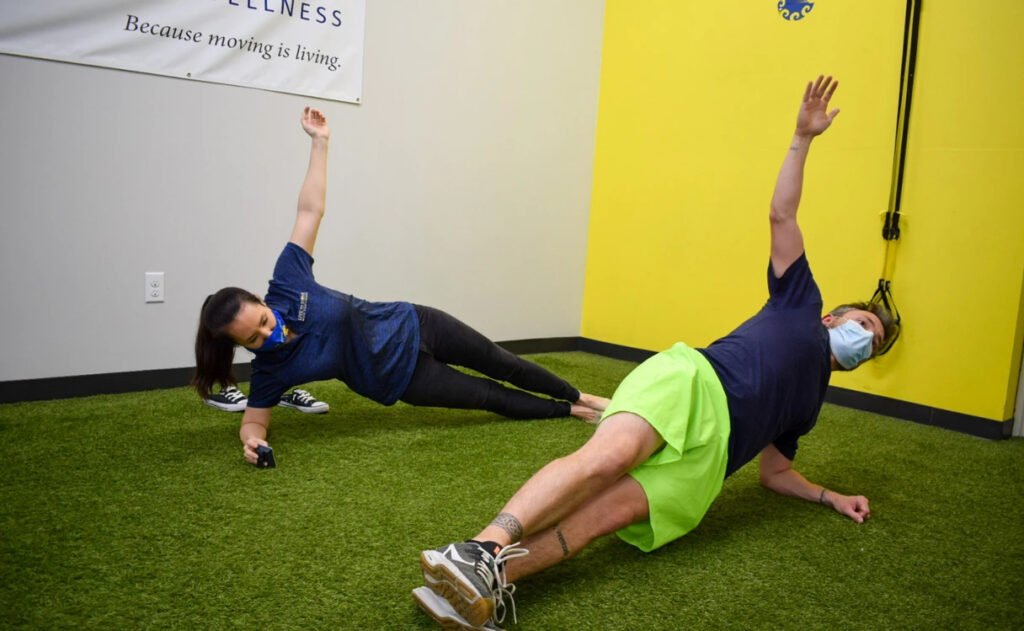
In the world of fitness, achieving balance between strength, endurance, and flexibility is the key to long-term results. Many people focus solely on cardio or lifting weights, but neglecting a well-rounded approach can limit progress and even increase the risk of injury. This is where strength and conditioning exercises come in helping you build power, improve performance, and boost overall health.
Whether you are an athlete, a weekend gym-goer, or someone simply trying to get fitter, incorporating strength and conditioning into your training routine can completely transform the way your body feels and functions.
What is Strength and Conditioning?
Strength and conditioning is a systematic approach to fitness that combines strength training, endurance exercises, flexibility work, and functional movement patterns. Unlike traditional workouts that focus on one area, this method develops the body as a whole, ensuring that all muscles and systems work in harmony.
The main goals include:
Building muscular strength and power.
Improving cardiovascular endurance.
Enhancing flexibility and mobility.
Reducing the risk of injury.
Supporting better athletic performance.
Essentially, it’s about training smarter, not just harder.
Benefits of Strength and Conditioning Exercises
Improved Strength and Power
Regular strength and conditioning exercises help develop stronger muscles, giving you the ability to lift heavier, perform better, and build confidence in your training.
Enhanced Endurance
Conditioning drills such as circuits, sprints, and high-intensity intervals boost cardiovascular health and stamina, allowing you to train harder for longer.
Injury Prevention
By strengthening supporting muscles and improving joint stability, these exercises protect the body from common injuries, especially in the knees, hips, and shoulders.
Better Functional Fitness
Strength and conditioning focus on movements that replicate real-life activities. This means you don’t just get stronger in the gym you get stronger in everyday life.
Increased Flexibility and Mobility
Mobility drills and dynamic stretches ensure your muscles remain flexible and joints move freely, which supports long-term physical health.
Mental Resilience
Strength and conditioning workouts often push you out of your comfort zone. This builds not only physical toughness but also mental resilience, giving you greater focus and determination.
Key Strength and Conditioning Exercises
Here are some effective exercises to add to your routine:
Squats: A fundamental movement that builds lower-body strength, engages the core, and supports proper posture.
Deadlifts: Excellent for strengthening the back, legs, and core while improving stability.
Push-Ups: A simple but powerful bodyweight exercise to develop upper-body and core strength.
Lunges: Great for building balance, coordination, and unilateral leg strength.
Pull-Ups or Rows: Strengthen the back, shoulders, and arms for better posture and upper-body power.
Planks: Improve core stability, endurance, and overall balance.
Burpees or Jump Squats: Effective conditioning drills to increase heart rate, endurance, and explosive strength.
By combining these movements, you get a balanced workout that trains multiple aspects of fitness at once.
Tips to Incorporate Strength and Conditioning into Your Training
Start with Bodyweight Movements
If you are new to strength and conditioning, begin with simple bodyweight exercises like squats, push-ups, and planks before progressing to weighted or complex movements.
Mix Strength and Cardio
Pair resistance exercises with short bursts of cardio, such as kettlebell swings or sprints, to maximise results and efficiency.
Focus on Technique
Proper form is more important than lifting heavy. Always prioritise technique to avoid injury and ensure long-term progress.
Use Progressive Overload
Gradually increase weights, reps, or intensity over time to challenge your muscles and encourage growth.
Don’t Forget Recovery
Rest days, stretching, and mobility work are essential for recovery and progress. Overtraining can hinder results and increase injury risk.
Seek Professional Guidance
A coach or therapist can design a programme tailored to your needs, especially if you are recovering from an injury or have specific fitness goals.
How Strength and Conditioning Transforms Your Routine
Unlike traditional fitness programmes that may focus on one area (like cardio for weight loss or heavy lifting for muscle gain), strength and conditioning provides comprehensive results. With regular practice, you’ll notice:
Increased energy levels.
Improved posture and body alignment.
Greater athletic ability in sports or daily activities.
Reduced fatigue and quicker recovery times.
Long-term improvements in overall well-being.
It’s a method that not only makes you stronger but also enhances the way you move, live, and feel.
Final Thoughts
Transforming your training routine doesn’t mean starting from scratch it means training with purpose. Strength and conditioning exercises offer a balanced, effective, and safe approach to building strength, enhancing endurance, and preventing injuries. Whether your goal is to enhance sports performance, lose weight, or simply feel healthier, this training approach can help you reach new levels of fitness.
Remember, progress comes from consistency, proper form, and a willingness to push yourself while respecting your body’s limits. By incorporating strength and conditioning into your regular fitness routine, you’ll not only achieve physical gains but also discover greater confidence, resilience, and vitality in your everyday life.