Dubai doesn’t really slow down. Between product launches, weddings, brand campaigns, real estate listings, and fashion weeks, cameras here barely get a break. The city is constantly performing, and photographers—well, they’re the ones trying to make sense of it all through their lenses. That’s where professional photography in Dubai has become more than just a service. It’s an industry, an art form, and in many ways, a reflection of the city itself.
What’s interesting is how the trends keep shifting. A few years ago, you could tell the difference between a corporate photographer and a wedding one instantly. Now? The lines blur. Photographers are cross-trained, using cinematic techniques for business portraits and lifestyle storytelling for brand shoots. Dubai’s visual language is evolving fast.
Let’s dive into what’s driving that evolution.
The Changing Face of Photography in Dubai
Photography here used to be predictable—clear, posed, formal. You’d hire someone, get 200 edited pictures, done. But the demand today? It’s about feeling, brand identity, visual storytelling. Businesses want emotion; couples want authenticity; influencers want editorial style.
Dubai photography services have expanded to match that mindset. You don’t just book a shoot anymore—you plan a whole visual concept. Lighting, wardrobe, backdrops, and even post-production style are part of the discussion from day one.
Image idea: A photographer adjusting softbox lights inside a modern Dubai studio.
Alt tag: professional photo studio in Dubai with lighting setup
1. Hybrid Shoots – Photo Meets Video
One of the biggest shifts right now: no one’s booking only photography anymore. Every Dubai photo shoot package tends to include some level of video—whether that’s BTS footage, short clips for Instagram Reels, or a 60-second promotional edit.
Even corporate photography Dubai sessions are doubling as content shoots. CEOs want portraits, but also short clips speaking about the company. It’s content economy logic—maximize every shoot.
The gear has caught up too. Mirrorless cameras handle both high-res photos and cinematic video on the same rig. So professionals here are wearing both hats—photographer and director.
2. The Rise of Editorial Aesthetics
Gone are the days of perfectly centered, smiling faces under harsh white light. The trend now is softer tones, shadows, and realism—like something out of a magazine editorial.
Fashion photography Dubai leads this, obviously. But it’s spreading into portrait photography Dubai, weddings, and even corporate work. People want less “posed,” more “presence.” Slight movement in the frame, imperfect focus, and raw light leaks are embraced as part of the art.
It’s less sterile. More human.
Image idea: Model posing near textured concrete walls with natural backlight.
Alt tag: editorial fashion photography Dubai with soft lighting
3. Aerial Photography Everywhere
No surprise here—drones changed everything. You’ll find aerial photography Dubai in almost every niche now, not just real estate or tourism. Brands love the cinematic feel.
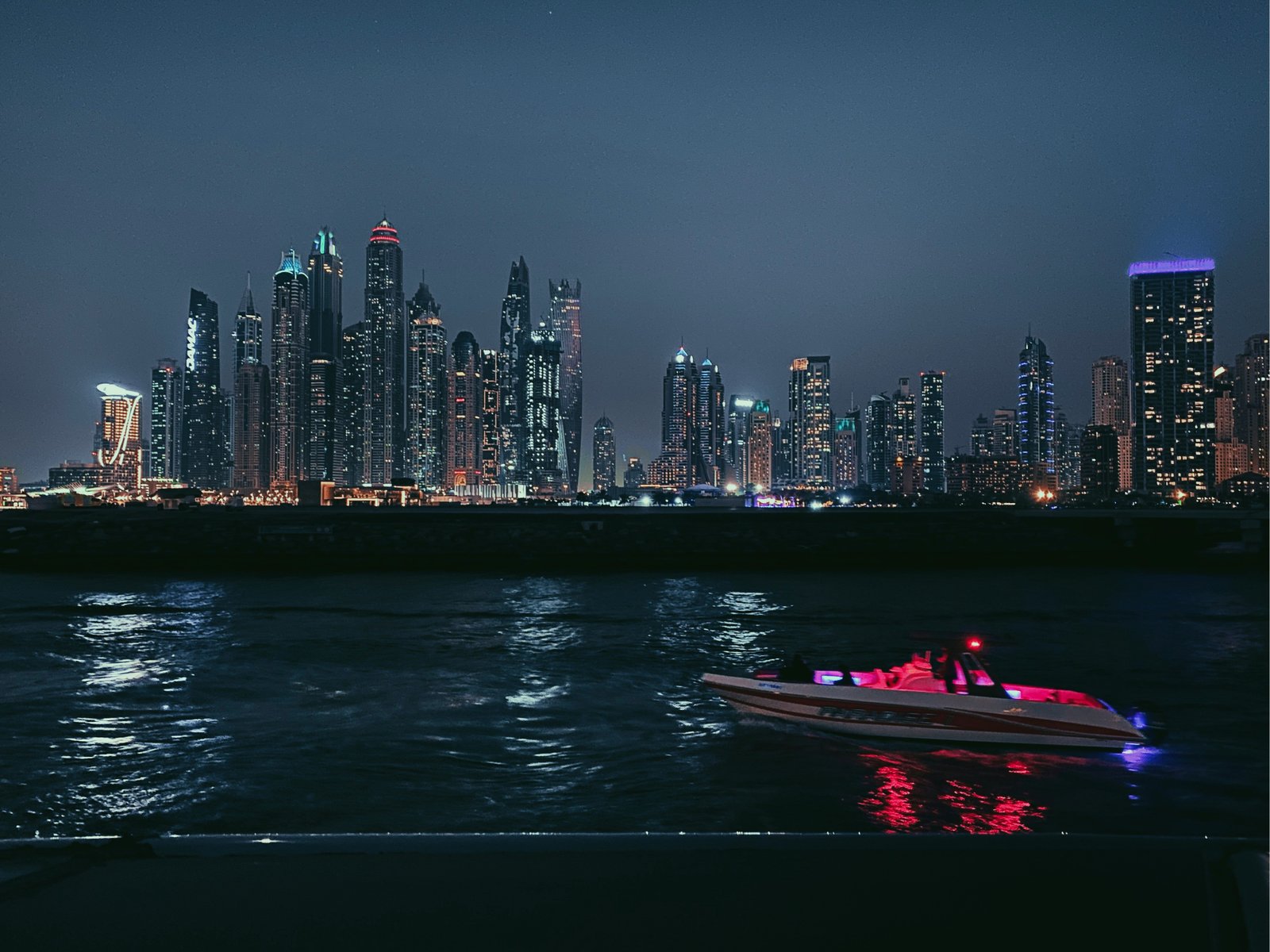
Real estate photography Dubai uses drones for architectural drama—sweeping shots of skyscrapers and waterfront villas. Event photographers use them for crowd scenes. Even wedding teams include drone footage of venues at sunset.
The best part? Regulations in Dubai are drone-friendly if you’re licensed. So professionals are pushing creativity higher—literally.
4. Lifestyle Shoots Over Studio Sessions
Studio portraits used to be the mark of professionalism. But right now, lifestyle photography rules. People want natural light, outdoor settings, movement.
Lifestyle photography Dubai captures people in real spaces—cafés, rooftops, desert roads, beaches. It feels spontaneous. Clients love how relaxed and genuine it looks.
That said, studio photography Dubai hasn’t vanished. It’s evolved. Studios now look like mini film sets, with stylized props and cinematic lighting. It’s less “passport photo,” more “personal branding campaign.”
5. The Corporate Glow-Up
Corporate imagery has gone through a full rebrand. Remember those stiff handshake photos? They’re gone. Now corporate photography Dubai is about energy, culture, and connection.
Teams want to show movement and atmosphere—people collaborating, thinking, laughing. It’s about making workspaces look dynamic.
Photographers now use wider lenses and ambient lighting to capture the openness of offices. And color grading? Often cool, cinematic tones that match brand palettes.
Image idea: A photographer capturing candid teamwork in a modern office.
Alt tag: corporate photography Dubai candid team meeting
6. Weddings Go Cinematic
Weddings in Dubai have always been grand, but the way they’re captured now feels more like a Netflix production than traditional coverage.
The modern wedding photography Dubai trend focuses on cinematic storytelling. Think drone intros, slow-motion laughter, and intimate behind-the-scenes shots. Even the editing style leans toward warm tones, shallow focus, and emotional pacing.
Couples want narrative, not just documentation. They’re investing in teams that can build that story visually—photo, video, sound, and mood all working together.
7. Product Photography Gets Minimal
Scroll through local brand pages and you’ll notice something: product photos are cleaner, more minimalist. It’s all about composition and color balance.
Product photography Dubai has matured into an art form. Photographers are experimenting with shadows, reflections, and textured surfaces. There’s more use of soft natural light and less of the old “white background e-commerce” formula.
Many professional photo studios in Dubai are now fully equipped for this—rotating platforms, diffusion tents, and creative setups for social media campaigns.
8. Real Estate Photography with Emotion
For a long time, real estate photography Dubai meant wide shots and HDR filters. Now, the trend leans toward mood. Photographers add depth using directional lighting, selective focus, and color grading to make homes feel warm, not just big.
There’s also an increasing use of lifestyle staging—adding coffee cups, books, or a casually draped throw blanket. The idea is to make spaces feel lived in.
Aerial perspectives tie it all together, especially for high-end villas or waterfront properties.
9. Fashion Photography with a Local Touch
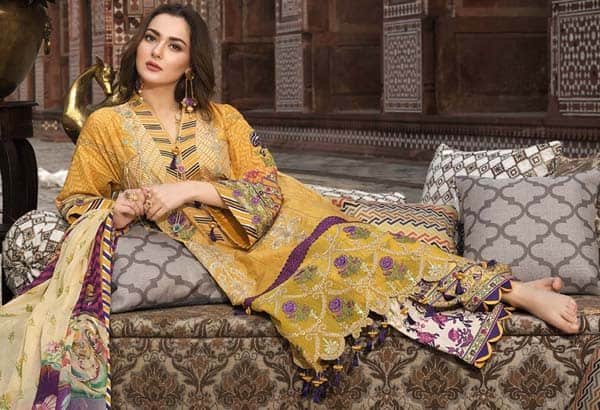
Dubai’s fashion industry keeps evolving, merging global influences with Middle Eastern aesthetics. Fashion photography Dubai now experiments with modest fashion, luxury textures, and desert backdrops.
Photographers are shooting more editorial campaigns outdoors—sand dunes, souks, or minimalist architecture. It’s about balancing culture and modernity.
The result? Dubai is slowly building its own fashion-photography identity, distinct from Paris or Milan, yet equally stylish.
Image idea: Model walking through Al Fahidi neighborhood in soft sunlight.
Alt tag: Dubai fashion photographer shooting editorial street look
10. Portraits that Feel Real
Portrait photography Dubai is moving away from formality. People want photos that look like them, not versions of themselves airbrushed into perfection.
Soft natural light, authentic expressions, unposed moments. That’s the new normal. Professionals focus more on connecting with subjects, helping them relax instead of dictating poses.
Interestingly, even corporate portraits are adopting this tone—smiling candidly, looking away, using textured backdrops instead of plain white walls.
11. Commercial Photography – Story Over Specs
For brands, it’s not enough to show the product. It has to tell a story. Commercial photography Dubai is becoming more conceptual.
Photographers and brands collaborate on themes, moods, and narratives before even picking up the camera. It’s less “shoot a product,” more “create a world around it.”
This trend connects closely with Dubai photography companies offering end-to-end production—concept, art direction, shooting, editing, and even marketing strategy.
12. Affordable Talent on the Rise
There’s this misconception that you need a massive budget for quality work. Not true. Affordable photographers in Dubai are popping up everywhere, often freelancers or small studios with serious talent.
What helps is technology—mirrorless cameras, mobile editing, AI-based retouching. It’s made quality more accessible. So even personal shoots or small businesses can get professional results without spending thousands.
It’s also pushing the big players to innovate more, because the gap between affordable and luxury quality keeps shrinking.
13. The Art of Studio Photography
Studio photography Dubai is making a comeback—but with a twist. It’s more experimental now. Colored gels, reflections, fog machines, and layered backdrops are common.
Clients are using studio sessions for creative headshots, editorial shoots, even music promotions. The mood lighting, shadows, and controlled environment make for dramatic results.
Photographers love it too—it’s where they get full control to play with concepts.
14. AI and Editing Tools
It’s impossible to talk about modern photography without mentioning post-production. Professional photo editing services Dubai are leveling up fast, using AI-based software for skin retouching, color balance, and background replacement.
But it’s not about automation replacing skill. It’s about speed and precision. Editors now focus on storytelling—adjusting tones to evoke specific emotions, rather than just “fixing flaws.”
Image idea: Editor color grading a portrait on a MacBook in Dubai studio.
Alt tag: professional photo editing services Dubai workflow
The Expanding Freelance Market
A lot of photographers here aren’t tied to agencies anymore. The best professional photographers in Dubai often work independently, choosing projects that suit their creative style.
It’s created a healthy variety of perspectives. Freelancers specialize deeply—some in automotive shoots, others in intimate portraiture, or nightlife events. That individuality gives Dubai’s photography scene a fresh edge.
Platforms listing professional photographer near me Dubai are full of freelancers offering high-quality work at competitive rates. Clients like the flexibility; photographers like the freedom.
Photography as Brand Identity
For many Dubai-based companies, professional visuals have become their entire brand identity. From LinkedIn banners to website hero shots, consistent photography now defines perception.
This trend has made photography companies in Dubai busier than ever, managing long-term visual partnerships instead of one-time shoots. They provide everything—corporate portraits, lifestyle campaigns, product catalogs, and event coverage under one creative umbrella.
Where It’s All Heading
The pace at which professional photography in Dubai is evolving is wild. Everything’s merging—art, technology, marketing, storytelling. Photographers aren’t just shooting anymore; they’re building narratives.
There’s no single “style” that defines Dubai’s photography anymore. That’s what makes it interesting. It’s experimental, fast-changing, and endlessly visual.
And maybe that’s the best part—the unpredictability. The fact that one week you’re shooting a skyscraper from a drone, and the next, a fashion editorial in the desert wind.
That energy keeps it alive. Keeps it fun. Keeps it very Dubai.
FAQs
Q1: What makes professional photography in Dubai unique?
It’s the mix of cultures, architecture, and constant activity. Dubai photographers blend global styles with local aesthetics, making every shoot distinctive.
Q2: How much do photography packages in Dubai cost?
Most photography packages in Dubai start around AED 500 for small sessions and can go beyond AED 8,000 for high-end weddings or corporate shoots.
Q3: Do photographers in Dubai offer both photos and videos?
Yes, most professionals now include hybrid options that combine photography and videography in a single package.
Q4: Which types of photography are most popular in Dubai?
Weddings, corporate shoots, product photography, real estate, and fashion editorials top the list right now.
Q5: Can I find affordable yet professional photographers in Dubai?
Absolutely. Many affordable photographers in Dubai offer exceptional quality thanks to better gear, editing tools, and flexible packages.