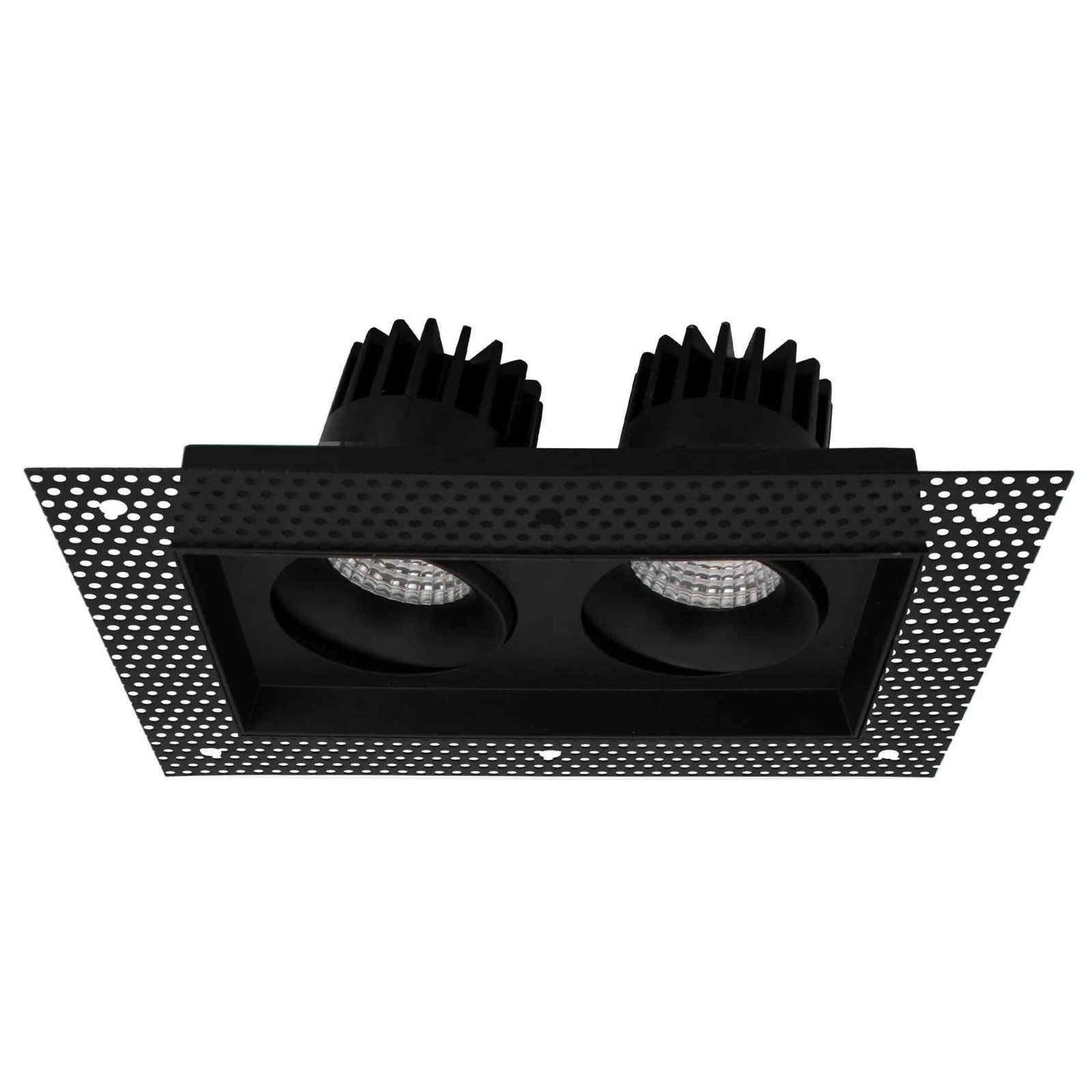
LED downlights are a simple way to bring clean, focused illumination into a room without taking up much space. When fitted into the ceiling, they can brighten key areas, highlight features, and create a more balanced lighting scheme. This makes them a popular choice for modern interiors, where practical lighting needs to work alongside the overall look of the space.
But have you ever switched on your residential downlights only to find that the room still feels strangely dark? Perhaps the lights are bright enough, yet certain corners remain poorly lit, or the whole space feels dull and uneven. The problem may not be the downlights, but how they’ve been positioned.
If your LED Commercial downlights aren’t giving your home the brightness you expected, this blog is for you. Let’s take a look at some common mistakes that could be getting in the way.
Why LED Downlights Matter for a Well-Lit Room
Lighting is about more than just a room being well lit. It allows you to see clearly, sets a cosy tone, and makes your space feel more functional. This is where LED downlights can truly help. Recessed lights are perfect for everything from kitchens and hallways to bedrooms, living spaces, etc., because they are sleek and maintain a clean, uncluttered ceiling while providing direct light where needed.
The real benefit lies in selecting and positioning them perfectly. Carefully designed downlights can provide even illumination across the room without creating unpleasant dark patches or an obviously brighter area of the space. They can also be used in conjunction with pendant lights and wall lights or lamps, so there are layers of light rather than just one kind of fitting.
So, if a room feels too dark despite having LED downlights, the issue may come down to a few common mistakes.
1. Choosing LED Downlights With Too Few Lumens
One of the easiest ways to end up with a dim room is to focus on the number of downlights rather than how much light they actually produce. Lumens measure the amount of visible light a fitting provides, so choosing LED downlights with a low lumen output can leave a space feeling underlit, even when you have several fixtures installed.
Before choosing your fittings, consider:
- Room size: Larger spaces need more light.
- Room purpose: Kitchens and home offices usually need brighter illumination than bedrooms or hallways.
- Existing Lighting: Consider how your downlights will work with other fixtures.
- Room Finishes: Dark walls, floors, and furniture can make a space feel darker.
It is not about picking the brightest option, but about selecting appropriate lumen output for that area and using it effectively.
2. Installing Downlights Too Far Apart
Even bright LED downlights can leave a room looking dark if they’re spaced too far apart. When there’s too much distance between fittings, their light may not overlap enough, creating noticeable dark patches across the room.
When planning your layout:
- Consider the room size: Larger spaces may need more fittings for consistent coverage.
- Think about key areas: Position lights where you need focused illumination, such as worktops, desks or walkways.
- Avoid excessive spacing: Follow the fitting’s recommended coverage rather than a universal distance.
- Check the layout: A balanced arrangement usually looks better than randomly placing lights around the ceiling.
For residential downlights, careful spacing can make the difference between a room that feels evenly illuminated and one with distracting shadows.
3. Using the Wrong Beam Angle for the Space
Beam angle determines how widely light spreads from a downlight. Choosing a beam angle that is too narrow may create strong pools of light with dark areas between them.
Here are some factors you should consider:
- Ceiling height: Higher ceilings may benefit from a more focused beam.
- Purpose: Kitchens, work areas and displays may need more targeted illumination.
- Spacing: The beam angle should work with the distance between your downlights.
Getting the balance right helps your LED downlights distribute light more effectively, which reduces shadows and uneven patches across the room.
4. Picking the Wrong Colour Temperature for the Room
Brightness isn’t the only factor that affects how a room looks. Colour temperature can also change how bright and comfortable the space feels. Choosing an incorrect colour temperature for your LED downlights may make a room feel dull, harsh, or less inviting, even when the light output is adequate.
Keep the room's purpose in mind:
- Warm white: Creates a softer, more relaxed feel for bedrooms and living rooms.
- Cool white: Provides a crisp, practical feel that can work well in kitchens, bathrooms, and work areas.
- Consistent lighting: Avoid mixing noticeably different colour temperatures unless there’s a clear reason to do so.
The right colour temperature won’t increase the actual lumen output, but it can make the lighting feel more suitable for the space and its daily use.
5. Relying on Downlights as the Only Light Source
LED downlights are great for general lighting, but they need not always serve all the functions. If you depend on ceiling commercial downlights alone, some areas are poorly illuminated, leaving worktops, reading spaces or decorative features most likely in shadow.
Instead, combine them with other light sources where needed:
- Task lighting: Use under-cabinet or desk lights for tasks, reading a book or drawing.
- Accent Lighting: Showcase artwork, shelving or architectural features.
- Ambient lighting: Include some wall lights or lamps to generate soft light.
Having a layered scheme allows you to have more control over the desired look and feel of a space. Your LED downlights can do the heavy lifting, while other fixtures make up for darker areas and offer movement.
Final Thoughts
If selected wisely with precision in placement, LED downlights can ensure a room is bright, comfortable and well-balanced. To achieve the best results from your lighting, avoid common mistakes like blowing it with too few lumens, poor spacing or placing the wrong beam angle. With so many options out there, take some time to think about the size, purpose and existing fixtures of your room before choosing your downlights. Leaning into a proper lighting strategy can help create functional lighting within your living space.
Tags : LED Downlight


















