If you’re researching the Best South Korea travel experiences, Seoul will probably sit at the top of your list. And not just for food or K-pop. Visually, this city delivers. Hard.
But here’s the thing—Seoul isn’t photogenic in an obvious, postcard way. It’s layered. You have to know where to stand, when to go, and sometimes when to turn around. Most people walk past great angles because they’re focused on the main landmark.
I’ve shot here in all seasons. Winter snow on palace roofs. Humid summer neon in back alleys. Golden ginkgo leaves in October. The city changes personality fast.
Here are the places that consistently work.
Gyeongbokgung Palace
Classic. Yes. Overdone? Maybe. Still worth it? Absolutely.
The symmetry here is what makes photos strong. Wide courtyards. Clean lines. Mountains in the background. If you’re lucky, you’ll catch guards in traditional uniforms during the changing ceremony.
Go early. Before 9 a.m. is ideal. By late morning, hanbok rental crowds build up and angles get messy.
One trick most people miss: walk toward the back of the palace complex. The smaller halls and ponds are quieter and feel more cinematic. The main gate is iconic. The rear sections are atmospheric.
If you visit in autumn, the red and gold leaves around the palace grounds elevate every frame.
Bukchon Hanok Village
This area feels like stepping into a different era. Traditional wooden houses. Sloped tiled roofs. Narrow alleys climbing uphill.
But here’s the honest part: it’s residential. People live here. That means you need to be respectful and quiet.
Go before 10 a.m. if you want clean shots without tour groups. I once arrived at 8:15 a.m., and the streets were almost empty. Soft light, no crowds. Perfect.
The most photographed street is obvious—you’ll see people lining up. Don’t stop there. Wander slightly off the main slope and you’ll find better compositions without twenty people waiting behind you.
N Seoul Tower
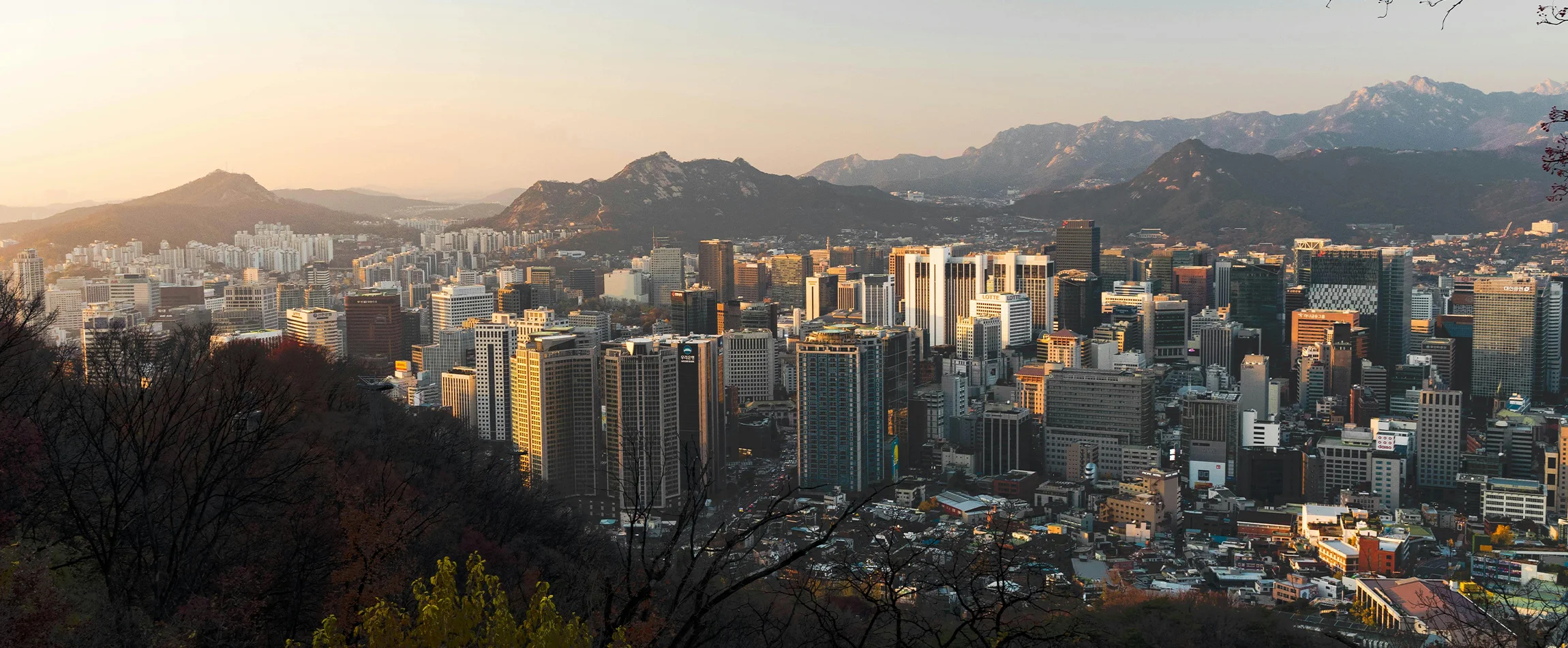
For skyline shots, this is the place.
The tower itself isn’t that unique up close. The view is what matters. Seoul spreads out in every direction, dense and endless.
Sunset is ideal. But expect crowds.
If you want a stronger image, position yourself lower on Namsan mountain and frame the tower above the city rather than just shooting from the top deck. Most people go straight up and shoot outward. Shooting inward toward the tower often works better.
Winter nights here are freezing. Plan accordingly.
Ihwa Mural Village
Color, texture, staircases.
This neighborhood used to be a hidden gem. Now it’s popular, but still visually fun. Murals climb steep stairs. Painted wings, bold patterns, bright walls.
Some murals change over time. Don’t rely on old reference photos. That’s where trips often go wrong—expecting a specific artwork that’s been replaced.
Go mid-morning. Too early and shadows are harsh because of the hillside angle. Late afternoon light softens everything.
Wear comfortable shoes. The stairs are no joke.
Hongdae
If your Instagram leans urban and youthful, Hongdae delivers.
Street art. Indie fashion. Neon signs. Late-night energy.
This is where Seoul feels young. You’ll find quirky cafes, graffiti walls, buskers performing K-pop covers, and chaotic street food scenes.
The best photos here aren’t landmarks. They’re moments. Steam rising from skewers. A performer mid-song. A reflection in a shop window.
Come at night. Hongdae glows after dark.
Gangnam
Yes, that Gangnam.
Skyscrapers. LED billboards. Polished storefronts. Wide boulevards.
It’s modern Seoul. Sleek and slightly corporate.
The COEX area inside Gangnam has dramatic architectural lines. The famous library inside COEX Mall is particularly photogenic with towering bookshelves. Go on weekdays if possible. Weekends are crowded.
Gangnam works well if your feed mixes architecture and city energy rather than traditional Korea.
Dongdaemun Design Plaza
This place looks futuristic. Curved metal surfaces. Smooth, flowing architecture.
At night, it lights up in soft LED tones. Long-exposure shots here look incredible if you have a tripod.
I like walking around the outer curves rather than focusing on the main entrance. Reflections in puddles after rain? Even better.
It feels more sci-fi than historical. That contrast is part of Seoul’s charm.
Insadong
Insadong is smaller scale. Tea houses. Traditional shops. Paper lanterns.
It’s less dramatic than Bukchon but easier to explore. Side alleys hide old signage and quiet courtyards.
If you want a calm, cultural aesthetic without climbing steep hills, Insadong works well.
Late afternoon light filters nicely between buildings here.
Han River
Seoul’s breathing space.
Locals picnic here. Ride bikes. Watch sunsets.
For photos, go around golden hour. Bridges light up. The skyline reflects on the water.
Banpo Bridge’s fountain show (on scheduled evenings) adds movement to night shots. But even without it, the riverside offers clean skyline compositions.
This is also where you’ll capture more natural, lifestyle-style content instead of posed landmark shots.
Starfield Library
Located inside COEX Mall, this library feels cinematic.
Towering bookshelves stretch upward. Escalators cutting through clean lines. Symmetry everywhere.
Arrive early when it opens. Once crowds gather, getting an unobstructed shot becomes tricky.
Most people shoot straight-on. Try shooting from a side angle on the upper floor for depth.
Seasonal Bonus: When Seoul Looks Its Best
Spring (April): Cherry blossoms near palaces and along the Han River. Soft, pastel tones.
Autumn (October–November): Golden ginkgo trees and red maple leaves. Possibly the most photogenic season.
Winter: Snow transforms palace rooftops and quiet streets into something minimalist and beautiful.
Summer: Lush green hills but humid. Neon night shots shine brightest this time of year.
Timing matters more than filters.
What Makes Seoul Truly Instagrammable
It’s not just individual spots. It’s contrast.
Ancient palaces beside glass towers. Quiet hanok streets minutes from neon chaos. Calm rivers next to packed nightlife districts.
The mistake many travelers make? Trying to rush through everything in one day. Seoul rewards slower pacing. Pick two areas per day max. Walk. Observe. Look up.
Sometimes the best photo isn’t on a “top 10” list. It’s the reflection of streetlights in a rainy alley in Hongdae at midnight.
Final Thoughts
The top Instagrammable places in Seoul aren’t just about landmarks. They’re about timing, angles, and mood.
Go early for palaces. Wander side streets in Bukchon. Stay out late in Hongdae. Catch sunset over the Han River. Balance old and new.
Seoul is visually rich, but it doesn’t hand you perfect shots automatically. You have to slow down and look.
If you’re planning your trip around strong visuals, structure your days by neighborhood and light—not just popularity.
Do that, and your camera roll will fill up fast.
FAQs
1. What is the most Instagrammable place in Seoul?
Gyeongbokgung Palace is the most iconic, especially in traditional hanbok attire during autumn or spring.
2. What is the best time of year for photography in Seoul?
Autumn (October–November) offers the most dramatic colors. Spring cherry blossom season is also excellent.
3. Is Seoul good for night photography?
Yes. Areas like Hongdae, Dongdaemun Design Plaza, and Gangnam offer strong neon and cityscape shots.
4. Are these locations easy to reach by public transport?
Yes. Seoul’s subway system connects all major neighborhoods efficiently.
5. Is Bukchon Hanok Village crowded?
It can be. Arrive before 10 a.m. for quieter streets and better photos.
6. Do I need a professional camera?
Not necessarily. Modern smartphones capture Seoul beautifully, especially in good light. Timing matters more than gear.