Top Beverage Companies in India: Industry Growth, Trends & Future Opportunities
By beverageconsultant 08-04-2026 177
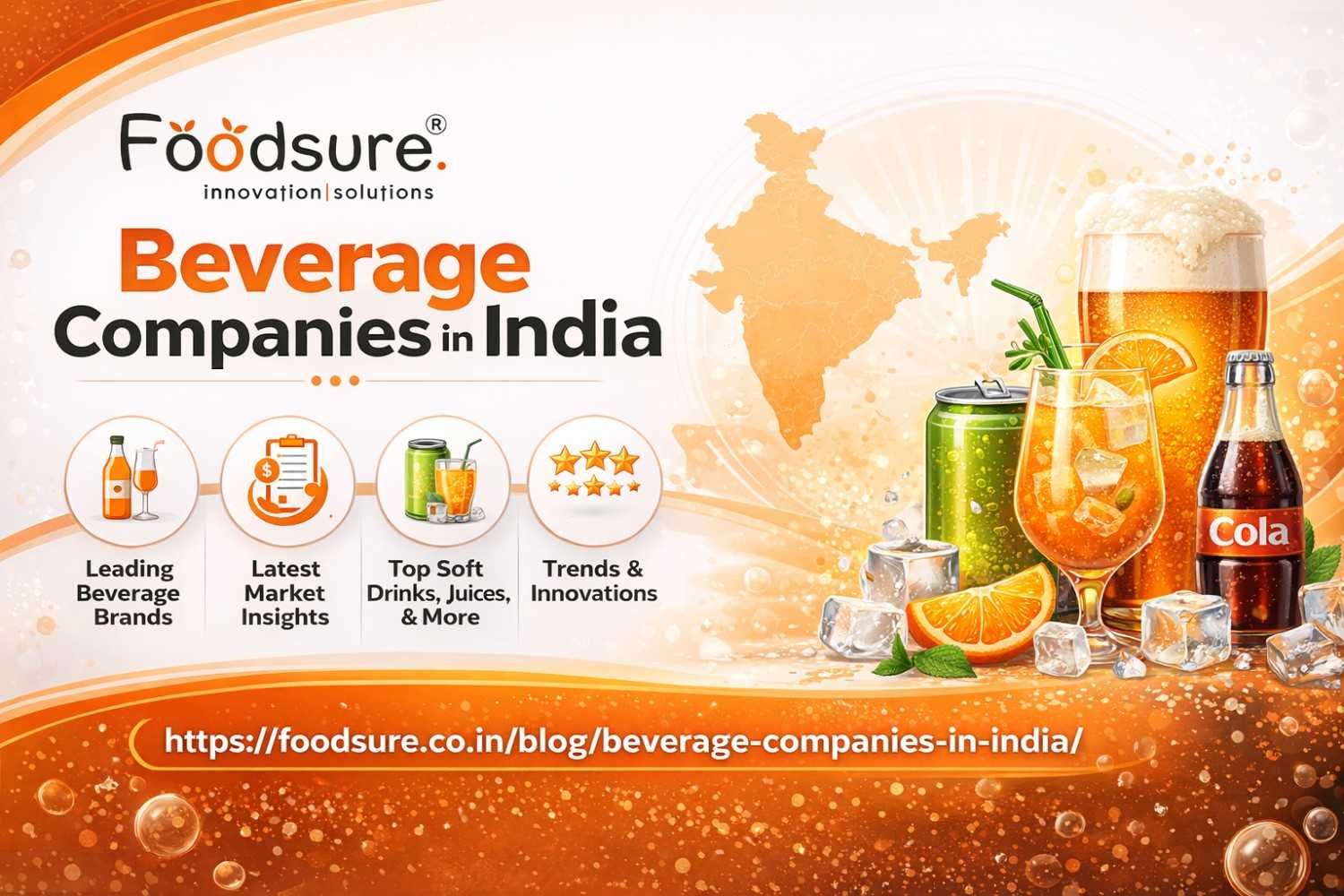
India’s beverage industry has undergone a massive transformation over the past decade. From traditional drinks to modern functional beverages, consumer preferences are evolving rapidly. Today, beverage companies in India are focusing on innovation, health-conscious products, and premium experiences to capture a larger share of the market.
With increasing disposable income, urbanization, and changing lifestyles, the demand for diverse beverage options has grown significantly. Whether it’s energy drinks, herbal beverages, flavored water, or plant-based alternatives, the industry is witnessing a dynamic shift that is reshaping the future of beverages in India.
Overview of the Indian Beverage Industry
The Indian beverage market is one of the fastest-growing sectors in the FMCG space. It is broadly categorized into two segments:
1. Non-Alcoholic Beverages
This segment dominates the market and includes:
- Carbonated soft drinks
- Packaged drinking water
- Fruit juices and nectars
- Dairy-based beverages
- Functional and health drinks
2. Alcoholic Beverages
Though regulated, this segment also contributes significantly and includes:
- Beer
- Wine
- Spirits
However, the non-alcoholic segment is experiencing faster growth due to rising health awareness and demand for convenience.
Key Factors Driving Market Growth
1. Changing Consumer Preferences
Modern consumers are more aware of what they consume. They prefer beverages that are:
- Low in sugar
- Free from artificial additives
- Rich in nutrients
2. Growing Health Awareness
Health-conscious individuals are moving toward drinks that provide functional benefits such as:
- Immunity boosting
- Energy enhancement
- Digestive support
3. Rise of Urbanization
Urban lifestyles demand convenience, leading to increased consumption of ready-to-drink (RTD) beverages.
4. Youth-Centric Market
India’s young population plays a major role in driving demand for trendy beverages like cold brews, flavored drinks, and energy beverages.
5. Expansion of Retail & E-commerce
Online grocery platforms and quick-commerce apps have made beverages easily accessible, increasing consumption.
Emerging Trends in the Beverage Sector
As competition intensifies, beverage companies in India are continuously innovating to meet evolving consumer demands.
1. Functional & Nutraceutical Drinks
These beverages go beyond basic hydration and offer additional health benefits. Examples include:
- Protein drinks
- Vitamin-enriched beverages
- Probiotic drinks
2. Plant-Based & Vegan Beverages
With the rise of veganism, alternatives like almond milk, soy milk, and oat milk are gaining popularity.
3. Low-Sugar & Sugar-Free Options
Consumers are actively avoiding high sugar intake, pushing brands to introduce healthier alternatives.
4. Premiumization
Consumers are willing to pay more for high-quality ingredients, unique flavors, and better packaging.
5. Sustainable Packaging
Eco-conscious consumers prefer brands that use recyclable or biodegradable packaging materials.
Opportunities for Entrepreneurs and Startups
The beverage industry in India is not limited to large corporations. In fact, it offers immense opportunities for startups and new entrants.
1. Niche Product Development
Focusing on specific categories can help new brands stand out, such as:
- Herbal drinks
- Ayurvedic beverages
- Keto-friendly drinks
- Organic juices
2. Regional Flavor Innovation
India’s cultural diversity allows brands to experiment with local flavors like:
- Aam panna
- Jaljeera
- Kokum juice
- Sugarcane-based drinks
3. Contract Manufacturing
Instead of investing heavily in infrastructure, startups can collaborate with manufacturers to produce beverages efficiently.
4. Direct-to-Consumer (D2C) Model
Selling directly through online platforms helps brands build a loyal customer base and increase margins.
Challenges in the Beverage Industry
Despite its growth, the industry comes with several challenges:
1. Regulatory Compliance
Meeting food safety standards and labeling requirements is crucial but can be complex.
2. High Competition
Both domestic and international brands compete aggressively, making it difficult for new players to establish themselves.
3. Supply Chain Management
Maintaining consistency in quality and availability across regions can be challenging.
4. Short Product Shelf Life
Certain beverages require careful storage and distribution to maintain freshness.
Importance of Branding and Marketing
In a crowded marketplace, strong branding can make all the difference.
1. Unique Brand Identity
A compelling brand story helps build emotional connections with consumers.
2. Digital Marketing
Social media platforms play a significant role in promoting beverage brands.
3. Influencer Marketing
Collaborating with influencers helps reach targeted audiences effectively.
4. Attractive Packaging
Eye-catching packaging can significantly impact purchase decisions.
Quality Control and Compliance
Another critical area where beverage companies in India must focus is quality assurance and compliance with regulations.
Key aspects include:
- FSSAI approval
- Accurate product labeling
- Ingredient transparency
- Shelf-life validation
Maintaining high-quality standards not only ensures compliance but also builds trust among consumers.
Future Trends and Industry Outlook
The future of the Indian beverage industry looks promising, with several trends expected to shape its growth:
1. Growth of Functional Beverages
Health-oriented drinks will dominate the market.
2. Technological Advancements
Automation and smart manufacturing processes will improve efficiency.
3. Expansion into Rural Markets
Increasing penetration in rural areas will open new growth avenues.
4. Export Opportunities
Indian beverages are gaining recognition in international markets.
5. Innovation in Flavors
Brands will continue experimenting with unique and fusion flavors to attract consumers.
Steps to Start a Beverage Business in India
If you’re planning to enter this industry, here’s a simple roadmap:
1. Conduct Market Research
Understand your target audience and identify gaps in the market.
2. Develop Your Product
Focus on quality, taste, and uniqueness.
3. Obtain Licenses
Ensure compliance with:
- FSSAI regulations
- GST registration
4. Choose Manufacturing Model
Decide between:
- In-house production
- Contract manufacturing
5. Build Your Brand
Invest in branding, packaging, and marketing.
6. Plan Distribution
Select the right channels:
- Retail stores
- Online platforms
- Distributors
Why Expert Guidance is Important
Launching a beverage brand involves multiple steps, from product development to compliance. Partnering with experienced professionals can simplify the process.
They can help with:
- Product formulation
- Regulatory approvals
- Branding and packaging
- Market entry strategy
This reduces risks and increases the chances of success in a competitive market.
FAQs
1. What are the most popular beverage categories in India?
Non-alcoholic beverages such as juices, energy drinks, and functional beverages are the most popular categories.
2. How fast is the beverage industry growing in India?
The industry is growing at a CAGR of around 8–10%, driven by increasing demand and innovation.
3. Is contract manufacturing a good option?
Yes, it allows brands to reduce costs and focus on marketing and sales.
4. What challenges do new beverage brands face?
High competition, regulatory compliance, and distribution are the major challenges.
5. How can a beverage brand succeed in India?
By focusing on quality, innovation, branding, and understanding consumer needs.
Conclusion
The Indian beverage industry offers immense growth potential for businesses willing to innovate and adapt. Foodsure health-focused drinks to premium products, the market is evolving rapidly, creating new opportunities for brands across segments. To succeed in this competitive landscape, beverage companies in India must focus on quality, compliance, and consumer-centric innovation while leveraging modern marketing strategies to build a strong presence.