A single swimmer brings in almost a gram of dirt, sweat, sunscreen, and oils every 45 minutes. Multiply that by a full pool of guests and your water is holding more than just chlorine and smiles.
A pool is fun but more than just chemicals keeps it clean. Bad practices can result in damages, increase prices and make water unsafe. Most of the times these errors are unnoticed by the people until it’s too late.
Let’s go through the most common pool care errors and what you could do instead. Fixing these can already improve your water quality and lower your long-term costs.
Skipping Regular Pool Maintenance Checks
Letting weeks pass without a proper check is a recipe for trouble. Water might look clear, but that doesn’t mean everything is running as it should.
Just skimming and testing chlorine is inadequate. Your swimming pool requires a regular schedule so that it can be free of algae, chemical imbalance and clogged filters.
Weekly checks
• Test chemical levels
• Skim surface debris
• Brush the walls
• Empty skimmer baskets
Monthly checks
• Vacuum thoroughly
• Clean tiles
• Adjust water level if needed
Seasonal tasks
• Inspect the pump and filter
• Look for any leaks or cracks
• Schedule a service if you’re unsure about water balance
Setting reminders and staying consistent keeps small issues from building up. For extra support, searching pool maintenance near me during seasonal changes can help you find a local expert when needed.
Not Cleaning the Pool Filter Properly
Your filter does the heavy lifting, removing everything from bugs and hair to sunscreen and algae. When it’s dirty, it can’t do its job. Water starts to turn cloudy. Flow rate slows. Pressure builds. That’s when bigger problems start.
Each filter type needs specific care. Cartridge filters should be rinsed every two weeks and deep cleaned every couple of months. Sand filters need monthly backwashing, and the sand should be replaced every few years. DE filters are powerful, but they require regular backwashing and adding new powder.
Omitting this step makes your pool equipment perform more than it should. That’s why it’s absolutely essential to get good pool filter cleaning if you need to have clean, healthy water.
Ignoring Pool Tile Build-Up and Algae Growth
It usually starts with a faint white line near the waterline. Then a bit of green shows up in the corners. Before you know it, tiles feel gritty and slippery.
Calcium and scale build-up doesn’t just look bad. It can damage tiles and lead to early replacement costs. Algae loves to settle into these rough spots and spread quietly.
Watch for signs like
• White crusty edges on tile
• Green or black patches
• Slippery steps or walls
Sweep the tiles regularly and clean it with pumice stone or non-hazardous cleaner every fortnight. You should make pool tile cleaning part of your routine list
Using the Wrong Pool Cleaning Equipment
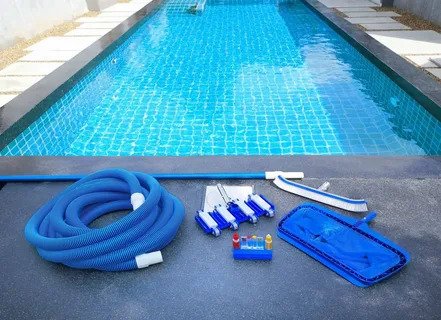
Not all tools are made equal. A stiff brush on a vinyl liner can leave scratches. A poor-quality vacuum head might not have enough suction and leave debris behind..
Must-have items include
• Telescopic pole with interchangeable attachments
• Fine mesh leaf skimmer
• Nylon or stainless-steel brush based on surface type
• Reliable vacuum head and hose
• Optional robotic cleaner for extra help
The right pool cleaning equipment saves time, protects surfaces, and keeps everything looking clean without extra effort.
Overlooking Salt Water Pool Maintenance Needs
Many assume saltwater pools need less attention. The truth is, they just need a different kind of care.
The salt system makes its own chlorine. But you still need to check pH, stabilizer, and calcium hardness regularly. Salt cells also build up with scale over time, lowering their output and pushing your system to work harder.
Common oversights include
• Skipping cell cleaning
• Allowing scale to collect on lights and ladders
• Ignoring fast pH swings that salt systems often trigger
Regular salt water pool maintenance keeps the water safe and protects your equipment.
Not Testing or Balancing Pool Water Regularly
When water looks fine, most people skip the test kit. That’s where trouble starts. Clear water doesn’t always mean balanced water. Without proper testing, you might be swimming in a chemical mess.
The chemistry of water varies rapidly. Chlorine, pH, and alkalinity are susceptible when there is heat, rain, and pool parties. Unbalanced levels may cause water to damage your eyes, degrade liners, and appear cloudy. Worse, it damages your pool equipment from the inside out.
You should check levels like
• Chlorine
• pH
• Total alkalinity
• Calcium hardness
• Stabilizer (cyanuric acid)
A basic kit or test strips work fine for weekly checks. If anything seems off, adjust it immediately.
Letting Small Issues Turn into Costly Pool Repairs
A tiny leak doesn’t seem like much. A small crack by the tiles might feel harmless. These small things are easy to ignore until they turn into major repair jobs that burn a hole in your budget.
Water loss, discolored patches, or weak circulation are warning signs. Strange noises from the pump can also mean something is wrong. Ignoring these clues gives them time to get worse.
Fixing a small issue early often costs very little. Waiting a few weeks can turn it into a major pool repair project. If you ever feel unsure, reaching out to a nearby service using terms like pool maintenance near me can get you fast answers and prevent long-term damage.
Prevention here isn’t just smart. It’s affordable.
Cleaning Only When the Pool Looks Dirty
This one’s surprisingly common. People wait until the water turns green or cloudy to start cleaning. By then, the damage is already done.
Algae spores float around invisibly long before they’re visible. Oils, sunscreen, and bacteria start to cling to surfaces within hours. Routine cleaning prevents buildup and keeps the water safe.
If you’re short on time or unsure where to begin, searching pool care near me can help you find a reliable service to handle routine cleaning on schedule. It’s not about cleaning when you see a problem. It’s about making sure the problem never shows up.
Running Pool Equipment Inefficiently
Many pool owners run their pumps too long or not long enough. Some use old equipment or set timers wrong. These small missteps quietly raise utility bills and wear out your system faster.
Running your pump too much won’t always mean cleaner water. Running it too little invites algae and chemical imbalance. It’s about finding the right schedule for your pool size and season.
Check if your pool timer is working. Look at your filter pressure regularly. Clean your pool cleaning equipment from time to time. Consider switching to energy-efficient models if your setup is outdated.
Good water flow, correct timing, and working tools do more than save time. They save money and keep your pool care routine running without hiccups.
Hiring Inexperienced or Unqualified Pool Services
Hiring someone to care for your pool may seem easy. But choosing the wrong person can cause problems. Some people pick the first name they see or the cheapest option. This often leads to poor cleaning, wrong chemicals, or damaged equipment.
Untrained pool cleaners often miss early signs of leaks or algae. They may skip critical steps or use improper tools that scratch surfaces or clog filters.
Here’s what to check before hiring:
• Are they certified or licensed?
• Do they offer references or reviews?
• Do they explain their process clearly?
• Do they understand your specific pool type and setup?
When looking online, search for pool care near me or pool maintenance near me. This helps you find trusted local services. Spend a few minutes asking the right questions. It can save you money and stress later.
Final Thoughts
The maintenance of a pool does not represent a complex procedure. Negligence, guesswork, and accumulation of little problems are the major error causing causes. When you are aware of what to avoid, having clean and safe water gets incorporated in your daily routine and not a daily headache.
Consider what you are doing with your pool in the same way that you do as a major investment. Use the appropriate equipment, follow a plan and in case of doubt, turn to the professional for expert care.
Good pool care doesn’t take hours. It just takes consistency.
FAQs
What are the most common pool care mistakes homeowners make?
People often skip cleaning or forget to test the water. Some use the wrong tools or ignore small issues. These mistakes lead to dirty water and expensive repairs.
What happens if the pH level in my pool is too high or too low?
Low pH makes water too acidic. It can hurt your eyes and skin and damage the pool. High pH causes cloudy water and weakens chlorine.
Why is maintaining proper alkalinity important in pool care?
Alkalinity keeps the pH steady. If it’s too low, pH can change quickly. If it’s too high, the water gets cloudy.
What damage can poor pool maintenance cause over time?
It can cause algae, dirty water, stains, and broken equipment. The pool may need big repairs if left too long.
Why does my pool keep getting green even after shocking?
Shocking kills algae, but the dead algae must be cleaned out. If the water isn’t balanced or the filter has issues, the pool turns green again.