Starting out on dirt should feel fun, not intimidating.
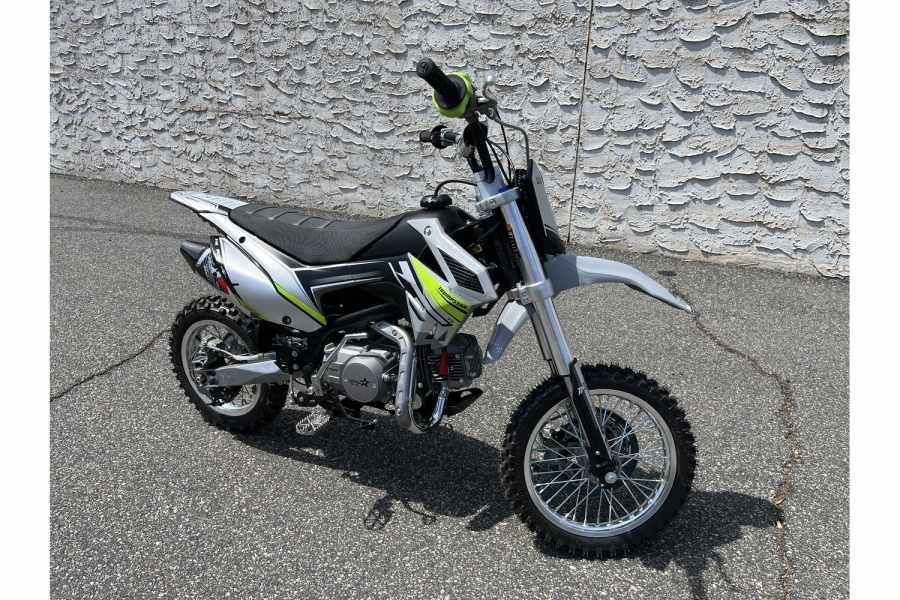
Thumpstar dirt bikes have built a reputation for giving beginners the confidence, control, and value they need to enjoy real trail time—without spending premium-brand money up front. From approachable power and smart sizing to solid components and easy maintenance, here’s why Thumpstar is a smart first-bike pick for new riders and parents.
Why Thumpstar works for beginners (at a glance)
Approachable power: Air‑cooled four‑stroke engines deliver smooth, tractable torque instead of a peaky hit.
Right sizes for growing riders: Multiple seat heights and wheel combos (10/10, 12/10, 14/12, 17/14) keep feet close to the ground as skills build.
Easy transmissions: Automatic and semi‑automatic options help riders learn throttle and shifting without stalling; manual clutches are available when they’re ready.
Real trail hardware at a friendly price: Hydraulic disc brakes, inverted forks, skid plates, grippy pegs, and adjustable bars on many models.
Simple upkeep and huge parts ecosystem: Honda‑style horizontal engines, easy oil changes, common spares, and a deep aftermarket.
Note: Specs vary by model and year—confirm exact features with an authorized Thumpstar dealer.
Fit is everything: sizing your first dirt bike
A bike that fits is easier to control—and that builds confidence fast.
- Seat height guidelines (with boots on):
- Under 48 in (≈122 cm): 19–22 in seat height (50–70cc minis)
- 48–55 in (≈122–140 cm): 24–27 in (70–110cc)
- 55–62 in (≈140–157 cm): 28–31 in (110–125cc)
- Wheel sizes:
- 10/10 or 12/10: Great for very small riders and yard practice.
- 14/12 “big‑mini”: Smoother over roots and rocks—ideal for trail basics.
- 17/14: More roll‑over and stability for taller beginners and teens.
- Quick fit test: Your rider should touch the ground with the balls of both feet (not flat‑footed), reach the levers comfortably, and stand on the pegs without straining.
Pro tip: Err on the smaller side for brand‑new riders; control beats speed on day one.
Smooth, trail‑friendly powertrains
New riders don’t need more horsepower—they need predictable delivery.
- Engine character: Most Thumpstar beginner bikes use air‑cooled, four‑stroke singles that make smooth, quiet power and resist stalling at low speeds.
- Transmissions:
- Automatic (centrifugal clutch): Twist‑and‑go simplicity for the youngest riders.
- Semi‑automatic: Shift without a clutch lever—great for learning gears without the stall risk.
- Manual clutch: Step up when starts, stops, and balance are second nature.
- Throttle limiting: Many models allow simple limiter adjustments to cap speed while skills develop.
Feature‑per‑dollar: where Thumpstar shines
A lot of “typical” starter bikes save cost by stripping capability. Thumpstar often includes trail‑ready hardware at beginner prices.
- Brakes: Hydraulic discs help small hands stop smoothly and predictably.
- Suspension: Inverted forks and linkless rear shocks (model‑dependent) with useful travel for real dirt—not just backyard grass.
- Chassis details: Reinforced frames, skid plates, folding levers, and grippy pegs survive tip‑overs and teach good standing technique.
- Ergonomics: Adjustable bar mounts and lever reach let you tune controls for smaller riders.
Result: Beginners get a bike that feels planted and forgiving on actual trails, not just in a flat field.
Maintenance and upgrades: simple to live with
Learning to ride shouldn’t mean living in the garage.
- Easy routine:
- Oil: Small‑capacity engines like fresh oil—change early after break‑in, then every 5–10 hours of trail use (check your manual).
- Air filter: Clean and re‑oil often, especially in dust.
- Chain/spokes: Adjust chain slack, lube regularly, and check spoke tension after the first few rides.
- Bolts: Re‑torque critical fasteners (axles, triple clamps, bar mounts) at 1–2 hours and again at 5 hours.
- Parts and compatibility:
- Many consumables (plugs, jets, filters, chains, sprockets) cross to common pit‑bike/mini platforms.
- The pit‑bike aftermarket is huge—bars, pegs, levers, jets, sprockets, suspension springs, and even big‑wheel kits.
- Smart spares kit:
- Extra air filter, master link, plug, levers, tubes, and a small toolkit with 8/10/12/14 mm wrenches, tire irons, and a spoke wrench.
Thumpstar vs “big four” and ultra‑budget bikes
- Versus Honda/Yamaha/Kawasaki/Suzuki minis:
- What you gain: Lower entry price, often more aggressive spec (e.g., discs, inverted forks) at the same money.
- What you trade: Typically fewer dealers and variations in out‑of‑box setup—buy from a reputable, authorized seller and insist on proper prep.
- Versus no‑name value brands:
- What you gain: Better frames/fasteners, cleaner cable routing, more consistent components, and stronger model support.
- What you trade: Still not the same nationwide dealer saturation as the big four—but generally a big step up in quality and specs over “generic” pit bikes.
Bottom line: If your goal is a capable first dirt bike with real trail chops at a sane price, Thumpstar often hits the sweet spot.
Which Thumpstar suits which new rider? (scenarios)
- First‑timer, ages ~5–7, smaller stature
- Look for: 50–70cc, automatic clutch, 10/10 or 12/10 wheels, low seat height, throttle limiter.
- Why: Twist‑and‑go lets them focus on balance and braking.
- Growing beginner, ages ~8–11, ready for gears
- Look for: 110cc, semi‑automatic, 14/12 wheels, hydraulic discs.
- Why: Teaches shifting without stalling; big‑mini wheels glide over roots and ruts.
- Confident pre‑teen/teen, learning clutch control
- Look for: 125–140cc, manual clutch, 17/14 wheels, firmer suspension.
- Why: More stability and control for trail pace; clutch adds skill without overwhelming power.
Always verify current model names/specs with the dealer; lineups change year to year.
Setup and safety that make a big difference
Good prep turns a decent bike into a great first bike.
- Pre‑delivery inspection (PDI): Ask your dealer to torque critical fasteners, set chain slack, align wheels/bars, and verify jetting/idle.
- Controls for small hands: Set lever reach, rotate bars for a neutral standing position, and ensure the throttle snaps closed freely.
- Tires and pressure: Start around 10–12 psi for trail grip (adjust for weight and terrain).
- Spark arrestor: Many riding areas require a USFS‑approved spark arrestor—confirm your exhaust insert before hitting public land.
- PPE: DOT youth helmet, goggles, gloves, chest protector, knee/shin guards, and proper boots. Teach a simple pre‑ride check: tires, brakes, chain, fuel.
Buying checklist for new riders (2025‑ready)
- Fit: Seat height, wheel size, peg‑to‑seat distance, lever reach.
- Transmission: Auto for tiny riders, semi‑auto for most beginners, manual for confident teens.
- Brakes/suspension: Hydraulic discs and usable travel for real trails.
- Support: Authorized dealer, parts availability, and clear warranty terms.
- Setup: Ask about PDI quality, first service, and jetting for your altitude/climate.
- Budget add‑ons: Extra air filter, basic tools, spark arrestor (if required), and proper safety gear.
FAQs
Q1: Are Thumpstar dirt bikes reliable for beginners?
A: Yes—especially when bought from an authorized dealer and set up correctly. Air‑cooled four‑strokes, hydraulic discs, and simple maintenance make them dependable for learning. Proper prep (torque, chain, jetting) is key.
Q2: What size Thumpstar is best for a new rider?
A: Match seat height and transmission to the rider. For many beginners, a 110cc semi‑automatic with 14/12 wheels is the sweet spot; smaller riders may start on a 50–70cc auto, and confident teens can step into a 125–140cc manual.
Q3: How do Thumpstar bikes compare to Honda/Yamaha for new riders?
A: Big‑brand minis offer unmatched dealer networks and resale value. Thumpstar typically delivers more trail‑ready hardware per dollar (e.g., discs, inverted forks) with a lower entry price—great for families focused on value and real-world performance.
Q4: What maintenance do they need?
A: Keep oil fresh (first change after break‑in, then every 5–10 hours of trail use), clean/oil the air filter, adjust/lube the chain, check spokes/bolts, and verify idle/jetting for your climate.
Q5: Can beginners ride Thumpstar bikes on public trails?
A: Yes, where OHV use is allowed—just ensure your exhaust has a USFS‑approved spark arrestor, carry required permits, and follow local regulations.