Boost Your Daily Energy: A Simple Workout Guide for Long-Term Health
We often fall into the trap of thinking that getting healthy requires grueling hours at the gym or expensive equipment. In reality, the best fitness plan isn't the most intense one—it’s the one you actually show up for.
Whether you are a busy professional or just starting your fitness journey, a simple, well-structured routine can transform your physical health and mental clarity. Here is a practical guide to building a sustainable habit that boosts your energy and keeps you feeling your best.
Why Balance Matters More Than Intensity
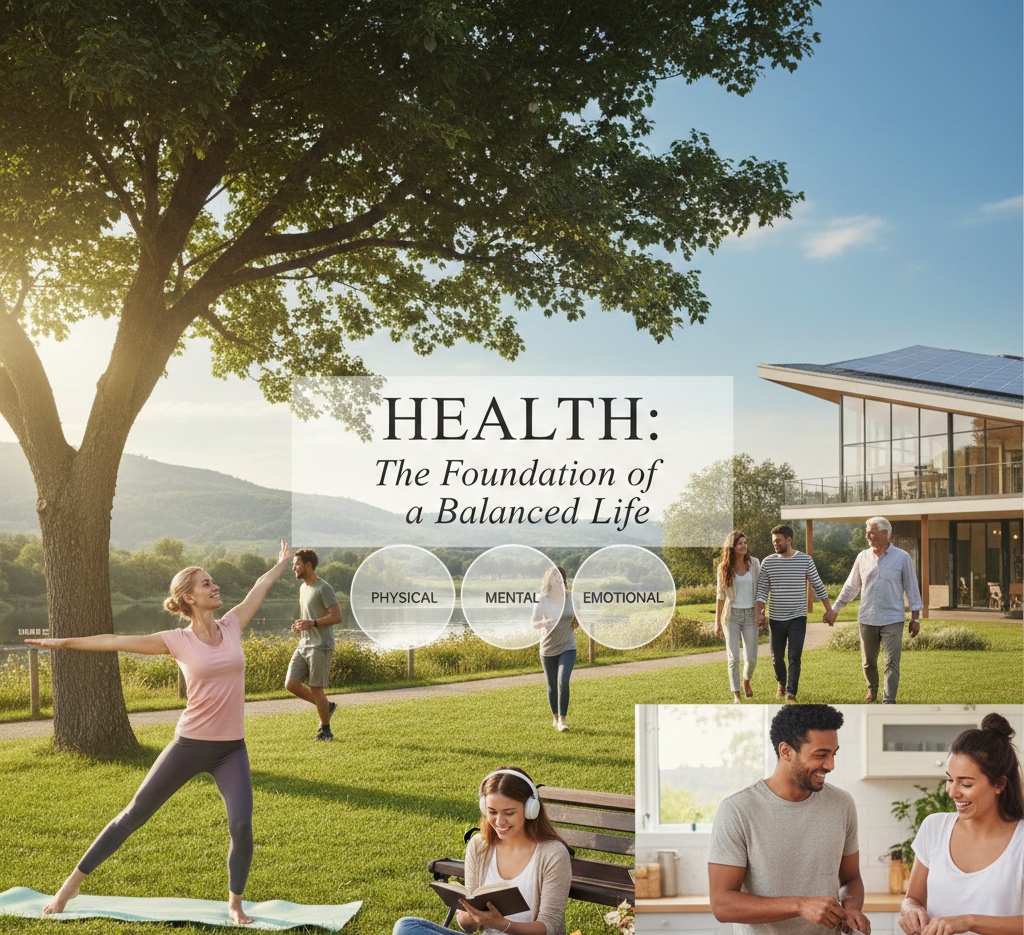
A great workout isn't just about looking better in the mirror; it’s about functional wellness. A balanced approach targets your heart, muscles, and mind. When you move your body regularly, you aren’t just burning calories—you are reducing stress, improving your sleep, and preventing lifestyle diseases before they start.
1. The Warm-Up: Waking Up Your Muscles
Never skip the warm-up. Taking 10 to 15 minutes to prep your body reduces the risk of injury and gets your blood flowing. Think of it as "waking up" your joints.
Try these simple movements:
Brisk walking: A few minutes to raise your heart rate.
Dynamic stretches: Arm swings, shoulder rolls, and neck rotations.
Jumping jacks: A quick way to get the entire body moving.
2. Strength Training for Everyday Life
You don’t need heavy weights to build a strong body. Strength training is about functional fitness—making it easier to carry groceries, maintain good posture, and protect your joints.
For more health tips and lifestyle updates, be sure to visit
Effective moves to include (3-4 times a week):
Squats and Lunges: Great for leg and core strength.
Push-ups: The ultimate upper-body builder.
Planks: Essential for a stable, pain-free back.
Light Weights: Use dumbbells or even water bottles for overhead presses and rows.
3. Cardio for Heart Health and Mood
Cardiovascular exercise is the secret to high energy levels. It strengthens your heart and releases endorphins—the body’s natural "feel-good" chemicals. You don’t have to run a marathon; just 20 to 30 minutes of moderate activity most days is enough.
Low-stress cardio ideas:
Power walking through your neighborhood.
Cycling or swimming.
Jump rope for a quick, high-burn session.
4. Flexibility: The Secret to Longevity
Stretching is the most underrated part of fitness. It keeps your muscles limber and prevents that "stiff" feeling we often get from sitting at a desk all day. Focus on your hamstrings, lower back, and shoulders. A quick 10-minute stretch before bed can also significantly improve your sleep quality.
5. The Power of Recovery
Progress doesn’t happen during the workout; it happens while you rest. Your muscles need time to repair and grow stronger. Aim for at least one full rest day per week. On these days, keep it light—a gentle walk or some light yoga is plenty.
The Bottom Line
Exercise works best when it’s supported by a healthy lifestyle. Drink plenty of water, eat whole foods, and prioritize 7–8 hours of sleep.
By focusing on consistency over perfection, you can build a routine that fits your life rather than taking it over. Start small, stay steady, and watch your energy levels soar.
Conclusion
"At the end of the day, the best workout isn't the most intense one—it's the one you actually did. Fitness doesn’t have to be a chore that takes over your life; it should be a tool that enhances it. By starting small and staying consistent, you’ll soon find that you aren’t just moving better, you’re living better. So, lace up those shoes and take that first step today; your future self will thank you."